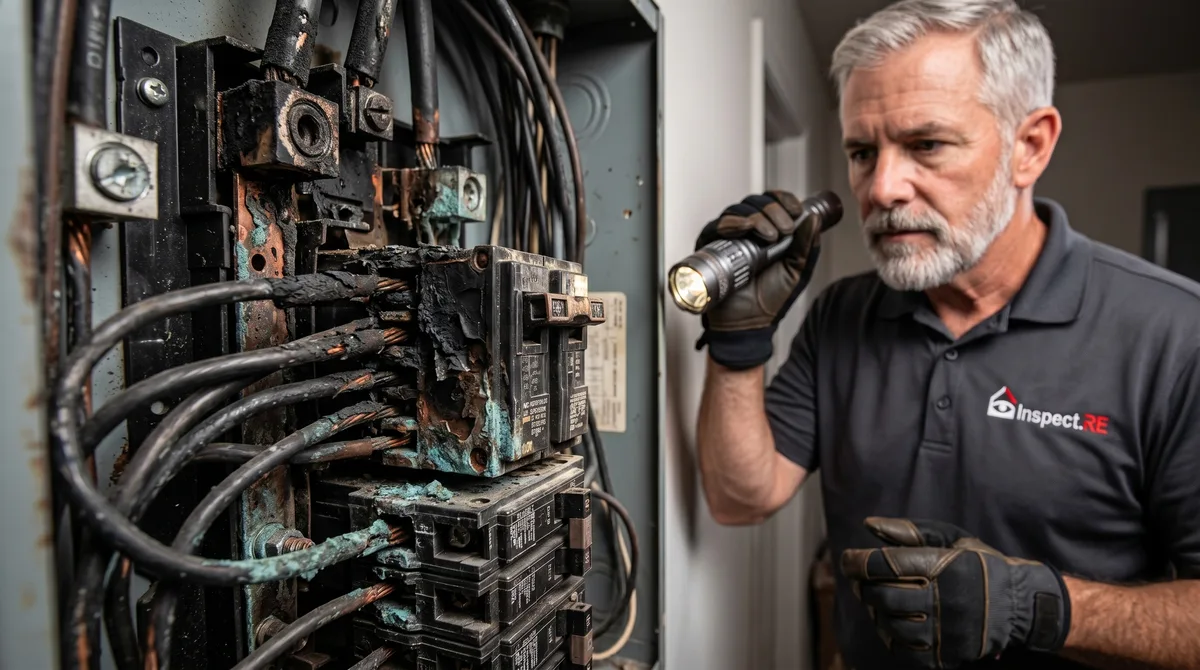
You’ve just received your home inspection report, a document that might be 80, 100, or even 150 pages long. Don’t panic. Here’s exactly how to read it, understand what matters, and use it to your advantage.
Step 1: Start With the Executive Summary
Before reading a single detail item, go directly to the Executive Summary.
Our reports use a three-color system:
- Green (Good Condition): No action needed. Component is functioning as intended.
- Yellow (Monitor / Maintenance): Not urgent but watch it. Budget for future replacement or service.
- Red (Repair Needed): Requires attention before or immediately after closing.
The executive summary gives you the full picture in one page. You’ll immediately know whether you’re looking at a minor punch-list or a major problem property.
Step 2: Understand California-Specific Disclosures
California law requires sellers to disclose known defects, but not everything shows up on disclosure forms. Your inspection report reveals conditions the seller may not have known about (or may have chosen not to disclose).
Pay special attention to:
Water Heater Strapping: California requires water heaters to be strapped to the wall for seismic safety. Missing straps are a common finding in older homes.
GFCI Protection: Ground Fault Circuit Interrupter outlets are required in kitchens, bathrooms, garages, and exterior locations. Missing GFCI is a safety violation.
Smoke and CO Detectors: California requires smoke detectors on every floor and in every bedroom. Carbon monoxide detectors are required if the home has an attached garage or gas appliances.
Cripple Wall Bracing: In earthquake country, unbraced cripple walls are a significant structural risk. This shows up as a Red item in our reports.
Step 3: Know What to Negotiate vs. Accept
Not every finding warrants a repair request. Here’s how to think about it:
Always Negotiate (Safety & Major Systems)
- Active roof leaks
- Foundation cracks with movement
- HVAC system failure
- Electrical hazards (aluminum wiring, failed panels)
- Active plumbing leaks
- Carbon monoxide and gas leak findings
Consider Negotiating (Significant Defects)
- Roof with less than 3 years of remaining life
- HVAC over 15 years old
- Galvanized plumbing with restricted flow
- Sewer line defects (if camera inspection was included)
Accept As-Is (Normal Wear / Minor Maintenance)
- Aging caulk around windows or tubs
- Minor stucco hairline cracks
- Single broken outlet
- Slow-closing cabinet hinges
- Weatherstripping on doors
Step 4: Use the 3D Tour and Photos
Our inspection reports include an interactive 3D virtual tour with inspection tags embedded throughout the property. Click any tag in the 3D tour to jump directly to that finding in the report.
This is especially valuable when:
- You want to show a contractor where a problem is located
- You need to revisit a finding weeks after the inspection
- Your agent wants to share specific findings with the seller
Step 5: Share Strategically With Your Agent
Your agent needs specific findings to write an effective repair request or credit ask. Share:
- The full PDF report for their records
- The executive summary for a quick overview
- Specific pages with major findings, for targeted negotiation
Your Inspection.re report lets you share individual sections with one link, so there’s no digging through a 100-page PDF.
Step 6: Get Contractor Quotes
For any Yellow or Red item you plan to negotiate, get at least two contractor quotes within your contingency period. Seller repair requests backed by specific dollar amounts are far more effective than vague demands.
Common repair costs in California:
- Roof repair: $500–$2,500
- Full roof replacement: $12,000–$35,000
- HVAC replacement: $6,000–$14,000
- Main electrical panel replacement: $3,500–$8,000
- Water heater replacement: $1,200–$2,500
What Happens After the Contingency Period?
If you remove your inspection contingency without negotiating repairs, you’re accepting the property in its current condition. That’s why reading your report quickly and acting decisively matters.
California’s standard purchase contract gives buyers a default 17-day inspection contingency period. Use every day of it.
If you have questions about scope, timing, or what is and is not in scope, the California home inspection FAQ covers the most common buyer-side questions.
Get Your Detailed Same-Day Report →
Related reading
- Home inspection checklist for Los Angeles buyers — what to verify before, during, and after the inspection so the report makes sense the first time you read it.
- What to expect during a home inspection in San Diego — the on-site walkthrough that produces the report.
- 5 things San Diego home sellers should fix before listing — common findings ranked by negotiation impact.