Here is what actually happens when we inspect a San Diego home: two to four hours on site, every accessible system tested and documented, and a report in your inbox the same day. This is the walkthrough of that afternoon, so nothing on it surprises you.
How Long Does a San Diego Home Inspection Take?
Most San Diego residential inspections take 2 to 4 hours. Where a specific house lands in that range comes down to:
- Square footage (larger homes take longer)
- Age of the home (a pre-1978 house gets a slower look, because that is where the original wiring, galvanized supply, and lead-era paint live)
- Condition (heavy deferred maintenance adds time, because every finding gets photographed and written up)
- Access (a crawlspace we can actually enter takes longer than a slab, and tells us far more)
The infrared scan, the drone roof pass, and the 3D capture are part of every inspection, not add-ons, and they are built into that window.
Plan to be present for the entire inspection if you can. We would rather show you a finding at the panel than have you meet it for the first time on page 40 of the report. If you can only make part of it, come for the last hour, which is when the walkthrough of findings happens.
What Does a San Diego Home Inspector Check?
Every accessible component of the property, and “accessible” is doing real work in that sentence. We open the panel, run the fixtures, walk the lot, and get into the crawlspace and attic wherever there is safe clearance to enter. What we cannot reach, we say so in the report rather than guess:
Structural Components
- Foundation (slab, raised, or basement)
- Framing and load-bearing walls
- Roof structure and attic
- Basement and crawl space if accessible
Exterior
- Roof covering, flashing, gutters, and downspouts
- Siding, stucco, wood trim, and paint
- Driveway, walkways, retaining walls
- Drainage and grading away from the foundation
Interior
- All bedrooms, living areas, kitchens, and bathrooms
- Windows, doors, floors, ceilings, and walls
- Stairways, railings, balconies
Mechanical Systems
- HVAC (heating and cooling; San Diego homes often have both)
- Plumbing supply and drain lines
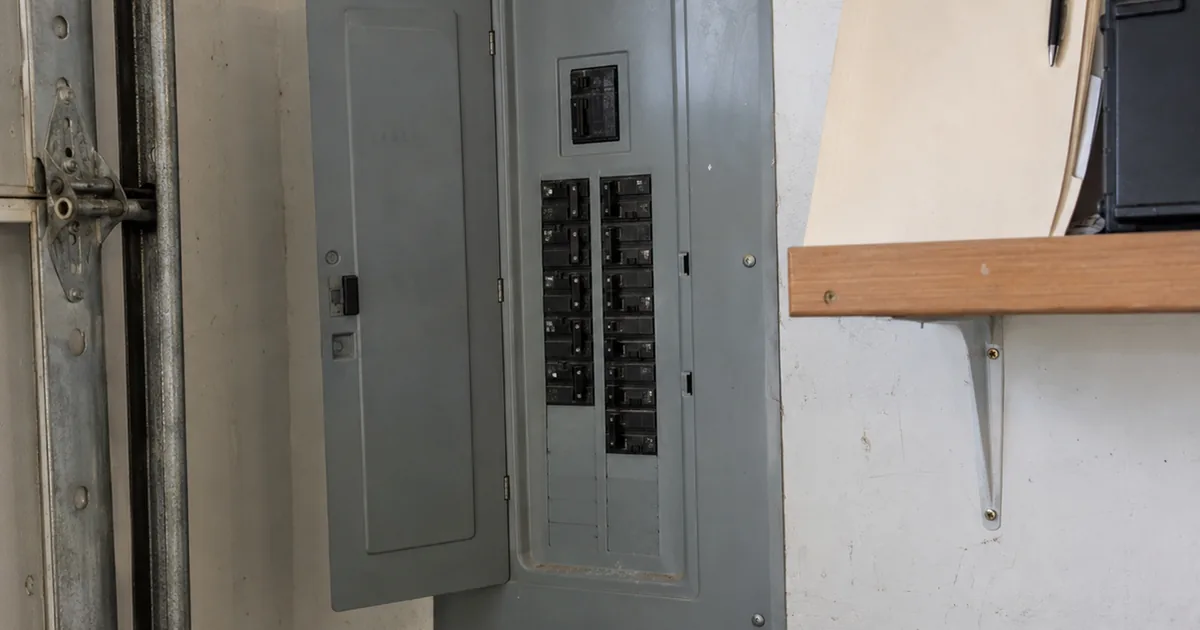
- Electrical panel, wiring, outlets, and fixtures
- Water heater age and condition
San Diego-Specific Issues to Watch For
The findings that come up over and over in this county are driven by its climate and its housing eras, and they are worth knowing before the inspection rather than after:
Moisture Intrusion: The marine layer keeps coastal walls, attics, and crawl spaces damp for months at a stretch, and the damage hides behind paint until it is advanced. This is where the thermal scan earns its place: a cool, damp wall cavity shows on infrared long before it stains.
Stucco Cracks: Hairline cracking from thermal cycling is normal on stucco and we say so when we see it. What gets written up is the pattern: diagonal cracks off window corners, stair-stepping, or anything wide enough to take water, because those point at soil movement rather than paint.
Older Plumbing: A pre-1970s house often still carries original galvanized steel supply. Galvanized fails from the inside out, so pressure at the tap can feel fine while the pipe wall is mostly rust. We check flow at the farthest fixture and read the pipe material where it is visible.
Electrical Panels: Federal Pacific and Zinsco panels turn up constantly in San Diego homes built between 1950 and 1980. The problem is documented breaker failure-to-trip, which is why insurers care and why we flag them by name rather than as a generic “older panel.”
Concrete Tile Roofs: The county’s most common roof covering, and the one we will not walk, because walking tile breaks tile. The drone reads the field, the valleys, and the flashings instead, and it routinely finds cracked tiles and slipped underlayment that are invisible from the ground.
What You Receive After the Inspection
With Inspection.re, your San Diego inspection includes:
- Same-day report with color-coded severity ratings (Green/Yellow/Red)
- Interactive 3D virtual tour with inspection tags embedded in the walkthrough
- Infrared thermal scan images showing energy loss, moisture, and block wall issues
- Drone roof inspection photos with high-resolution aerial imagery
- Professional floor plan with LIDAR-measured dimensions
- MLS-ready files: you can use the 3D tour and photos directly in your listing
- LIDAR floor plan with exact room dimensions and total square footage, ready for listings and permits
What to Do After Your Inspection
- Read the executive summary first. The color-coded overview tells you what’s urgent, and it is one page instead of a hundred.
- Prioritize safety items. Anything labeled Red needs a decision before you remove contingencies, not after you move in.
- Get contractor quotes on the big Yellow and Red items. California’s default inspection contingency runs 17 days, and a repair request backed by a real bid lands very differently than a vague one.
- Share with your agent. Forward specific sections or the entire report with one click, so the repair request quotes the finding instead of paraphrasing it.
Schedule Your San Diego Home Inspection
Inspection.re serves all of San Diego County, from La Jolla and Coronado to Chula Vista, El Cajon, Escondido, and Oceanside. We schedule 7 days a week and the report arrives the same day as the inspection.
Schedule Your San Diego Inspection Today →
Related reading
- How to read a home inspection report in California: what the colour-coded sections in your report mean and how to use them in negotiation.
- 5 things San Diego home sellers should fix before listing: the issues most likely to come up in your inspection, from the seller-side perspective.
- Why infrared scanning matters in California homes: what the inspector finds with thermal imaging that the naked eye cannot.
- Home inspection checklist for Los Angeles buyers: the before, during, and after checklist that pairs with this walkthrough.
- Oceanside manufactured home inspection guide: what changes when the home is manufactured rather than site-built.
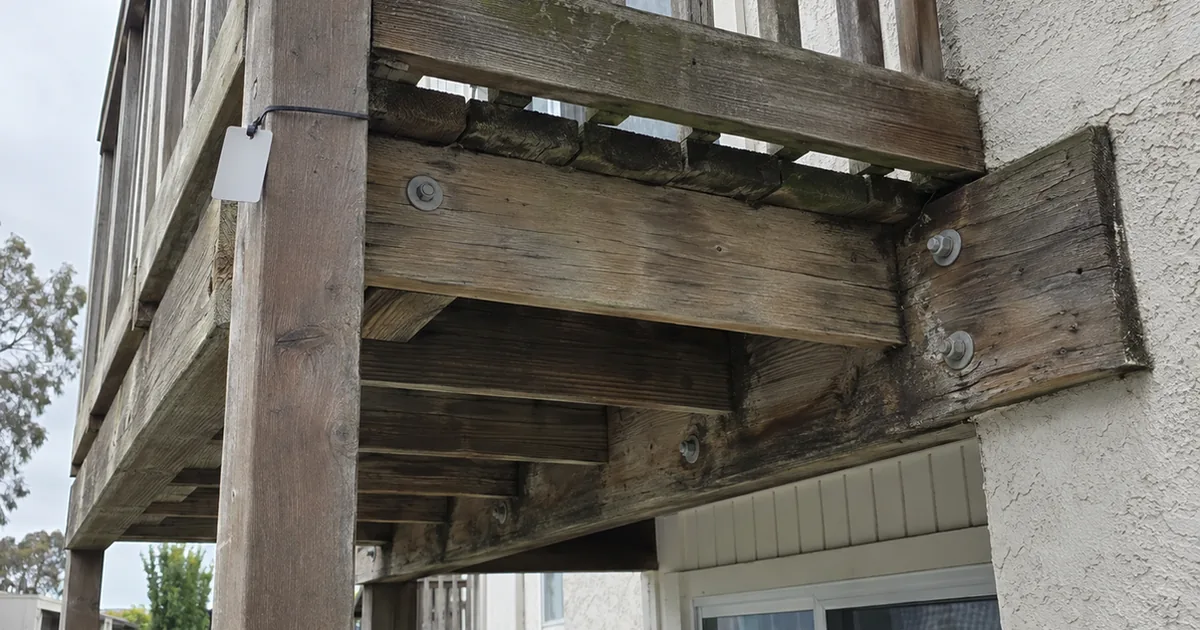
- Rancho Santa Fe deck ledger attachment guide: the structural connection behind an elevated deck, a finding specific to San Diego County’s hillside and equestrian-lot properties.
- Chinese drywall detection guide: a defective material the inspector specifically looks and smells for.
- New Arcadia luxury spec-build defects guide: why even a brand-new build still needs the same walkthrough.
- Temecula home inspection guide: the same buyer’s overview for an Inland Empire purchase.
- Bonsall wood shake roof guide: the roofing-material question that comes up often on rural North County San Diego ranch and custom homes.
- Footings and reinforcement at room additions in Santee: the junction an inspector looks hardest at on an East County home that has obviously been added onto.