You’ve just received your home inspection report, a document that might be 80, 100, or even 150 pages long. Don’t panic. Here’s exactly how to read it, understand what matters, and use it to your advantage.
Step 1: Start With the Executive Summary
Before reading a single detail item, go directly to the Executive Summary.
Our reports use a three-color system:
- Green (Good Condition): No action needed. Component is functioning as intended.
- Yellow (Monitor / Maintenance): Not urgent but watch it. Budget for future replacement or service.
- Red (Repair Needed): Requires attention before or immediately after closing.
The executive summary gives you the full picture in one page. You’ll immediately know whether you’re looking at a minor punch-list or a major problem property.
Step 2: Understand California-Specific Disclosures
California law requires sellers to disclose known defects, but not everything shows up on disclosure forms. Your inspection report reveals conditions the seller may not have known about (or may have chosen not to disclose).
Pay special attention to:
Water Heater Strapping: California requires water heaters to be strapped to the wall for seismic safety. Missing straps are a common finding in older homes.
GFCI Protection: Ground Fault Circuit Interrupter outlets are required in kitchens, bathrooms, garages, and exterior locations. Missing GFCI is a safety violation.
Smoke and CO Detectors: California requires smoke detectors on every floor and in every bedroom. Carbon monoxide detectors are required if the home has an attached garage or gas appliances.
Cripple Wall Bracing: In earthquake country, unbraced cripple walls are a significant structural risk. This shows up as a Red item in our reports.
Step 3: Know What to Negotiate vs. Accept
Not every finding warrants a repair request. Here’s how to think about it:
Always Negotiate (Safety & Major Systems)
- Active roof leaks
- Foundation cracks with movement
- HVAC system failure
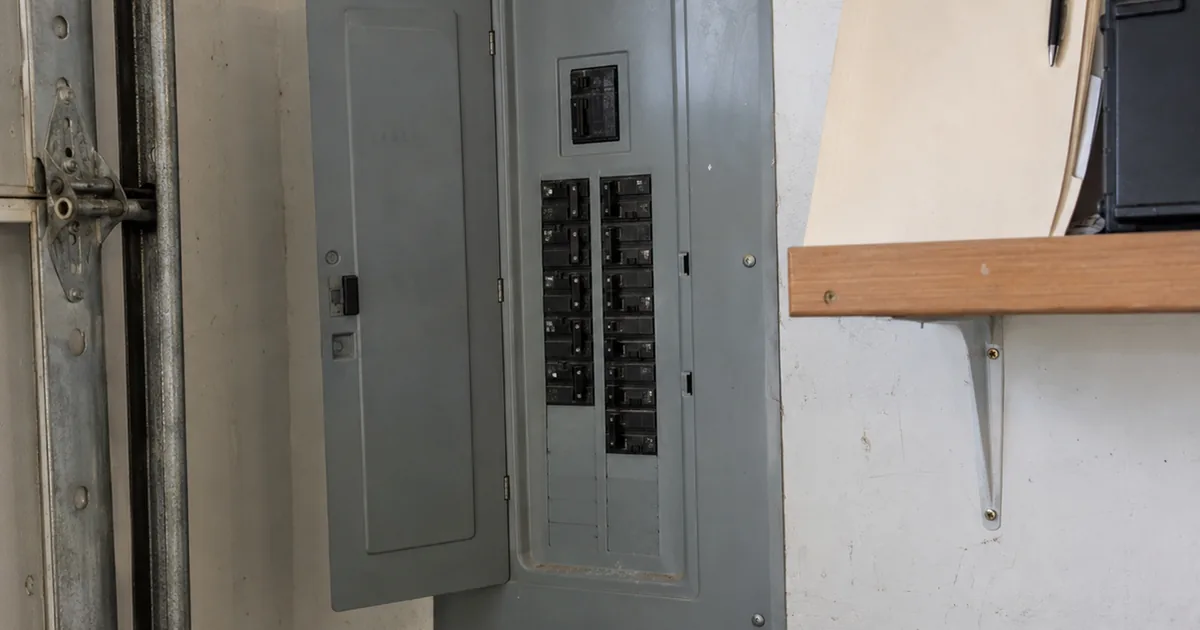
- Electrical hazards (aluminum wiring, failed panels)
- Active plumbing leaks
- Carbon monoxide and gas leak findings
Consider Negotiating (Significant Defects)
- Roof with less than 3 years of remaining life
- HVAC over 15 years old
- Galvanized plumbing with restricted flow
- Sewer line defects (if camera inspection was included)
Accept As-Is (Normal Wear / Minor Maintenance)
- Aging caulk around windows or tubs
- Minor stucco hairline cracks
- Single broken outlet
- Slow-closing cabinet hinges
- Weatherstripping on doors
Step 4: Use the 3D Tour and Photos
Our inspection reports include an interactive 3D virtual tour with inspection tags embedded throughout the property. Click any tag in the 3D tour to jump directly to that finding in the report.
This is especially valuable when:
- You want to show a contractor where a problem is located
- You need to revisit a finding weeks after the inspection
- Your agent wants to share specific findings with the seller
Step 5: Share Strategically With Your Agent
Your agent needs specific findings to write an effective repair request or credit ask. Share:
- The full PDF report for their records
- The executive summary for a quick overview
- Specific pages with major findings, for targeted negotiation
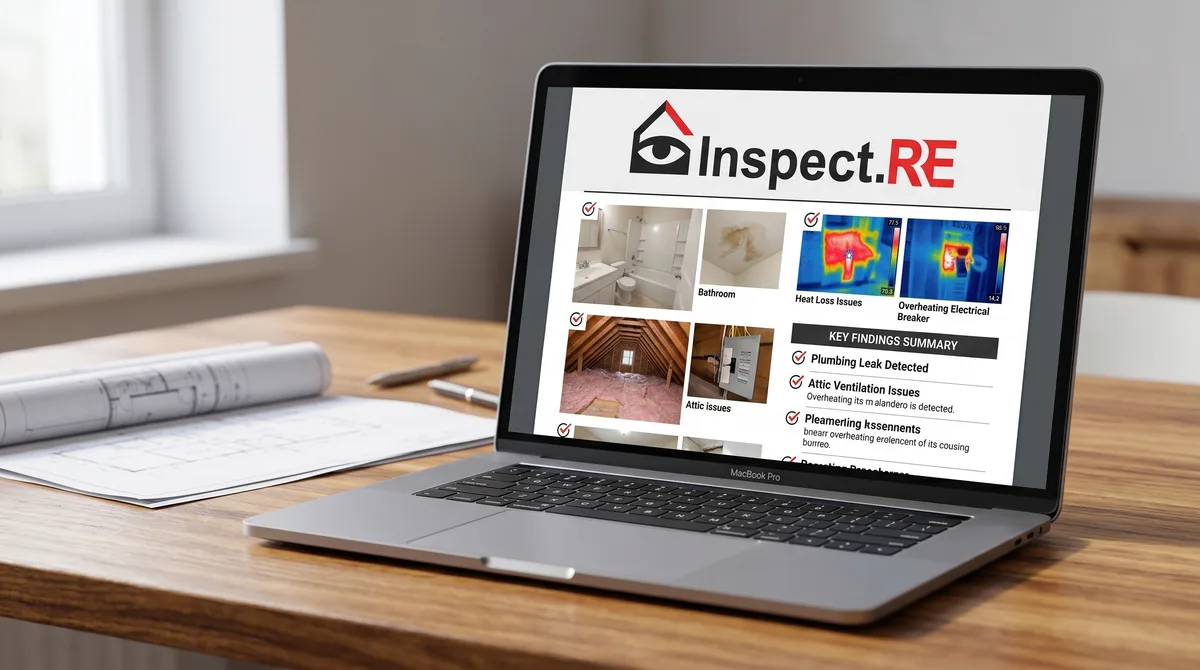
Your Inspection.re report lets you share individual sections with one link, so there’s no digging through a 100-page PDF.
Step 6: Get Contractor Quotes
For any Yellow or Red item you plan to negotiate, get at least two contractor quotes within your contingency period. Seller repair requests backed by specific dollar amounts are far more effective than vague demands.
Common repair costs in California:
- Roof repair: $500–$2,500
- Full roof replacement: $12,000–$35,000
- HVAC replacement: $6,000–$14,000
- Main electrical panel replacement: $3,500–$8,000
- Water heater replacement: $1,200–$2,500
What Happens After the Contingency Period?
If you remove your inspection contingency without negotiating repairs, you’re accepting the property in its current condition. That’s why reading your report quickly and acting decisively matters.
California’s standard purchase contract gives buyers a default 17-day inspection contingency period. Use every day of it.
If you have questions about scope, timing, or what is and is not in scope, the California home inspection FAQ covers the most common buyer-side questions.
Get Your Detailed Same-Day Report →
Related reading
- Backdrafting and Combustion Air in Norwalk: a carbon monoxide safety finding that reads as a straightforward specialist referral once you understand the mechanism.
- Central Air Conditioning Defects in Perris: a common mechanical finding that ranges from an inexpensive filter swap to a real replacement conversation.
- Backflow Prevention and Cross-Connection in Moreno Valley: a plumbing finding that usually reads as a low-cost item once you know which device is missing.
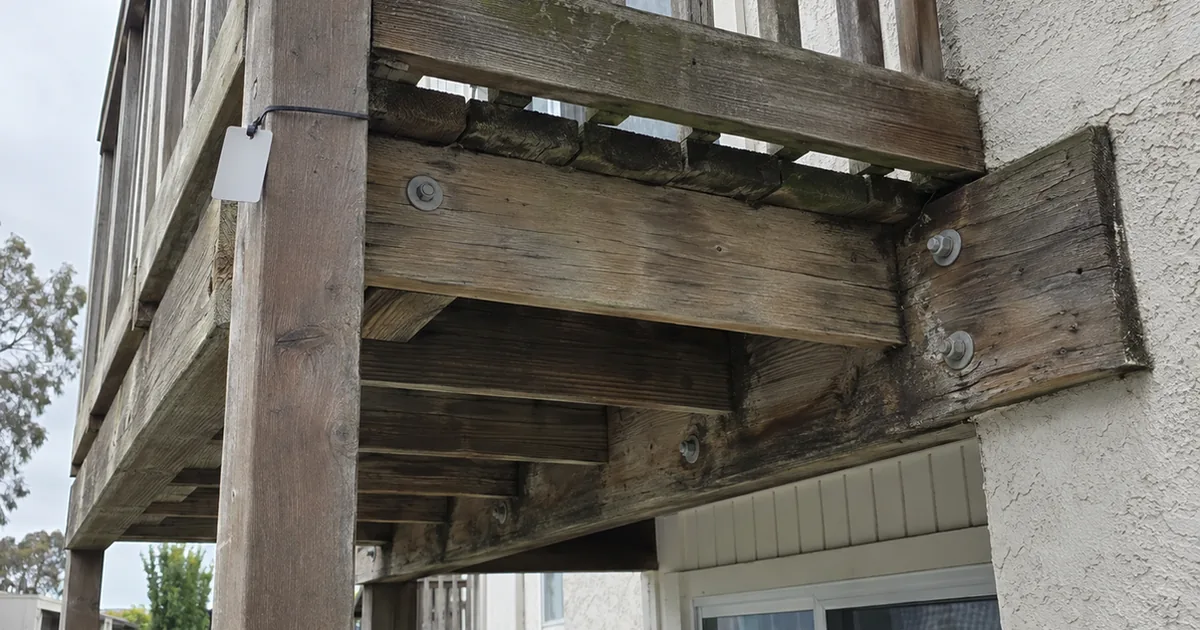
- Deck Ledger Attachment in Redondo Beach: a structural finding that can range from a minor flashing note to a real recommendation for further evaluation.
- Firestop and Fire Blocking in Paramount: a concealed fire-safety finding that reads differently depending on the home’s addition and remodel history.
- Generator and Transfer Switch Safety in Hemet: an electrical safety finding that ranges from a simple interlock retrofit to a full licensed-electrician evaluation.
- Unvented Gas Fireplaces and Heaters in Chatsworth: a combustion-safety finding that ranges from no action at all to a technician evaluation before close, depending on the appliance’s location and sizing.
- California’s Balcony Inspection Deadlines: SB 721 and SB 326: a statutory report you may receive alongside ours on a condo or small multifamily deal, and how it differs from a home inspection.
- California Froze Residential Building Standards Until 2031: why a report reads a house against the standards in force at its permit date, and why that window just got longer.
- Formaldehyde and Engineered Wood in Fountain Valley: an indoor air quality question that reads differently depending on how recent a remodel is.
- The Termite Report in Monrovia: An Agent’s Guide: a completely separate report with its own Section 1, Section 2, and Further Inspection box, and why it is not the same document as the inspection report.
- Brentwood masonry fireplace and chimney guide: how to read the fireplace findings, and when the report is telling you not to light it until a specialist has been inside the flue.
- Pacific Palisades window and egress guide: how to read an egress finding, and what it means when a room sold as a bedroom does not measure as one.
- Fontana garage fire-separation guide: how to read a life-safety finding like a compromised garage fire separation, and why it gets prioritized differently than a cost item.
- Ontario smoke and CO alarm compliance guide: how to read the cheapest, most common compliance finding on the report, and why it belongs at the top of the list rather than the bottom.
- Bonsall wood shake roof guide: how to read a roofing-material finding on an aging natural roof covering, and when it calls for a contractor’s remaining-life estimate rather than an assumption.
- Panorama City asbestos cement siding guide: how to read a suspect-material finding on exterior cladding, and why the report documents condition rather than confirming lab results.
- Mission Viejo tract slope and retaining wall guide: how to read a structural finding that also has an ownership question attached to it.
- Eastvale stucco and weep-screed moisture guide: how to read a moisture finding at the base of a wall on a newer stucco home, and what the escrow paths look like.
- Chino Hills guardrail and stair safety guide: how to read a fall-protection finding, and why it gets prioritized differently than a cost item.
- Yorba Linda CSST gas-line bonding guide: how to read a finding that is invisible during normal use, and why it still belongs near the top of the report.
- Home inspection checklist for Los Angeles buyers: what to verify before, during, and after the inspection so the report makes sense the first time you read it.
- What to expect during a home inspection in San Diego: the on-site walkthrough that produces the report.
- 5 things San Diego home sellers should fix before listing: common findings ranked by negotiation impact.
- Menifee foundation cracks and expansive clay soil: a real example of how to read a foundation finding on expansive clay and what the four escrow paths look like.
- Corona orchard land foundation settlement guide: how to read a differential-settlement finding on a home built over old citrus grove land and what it means for negotiation.
- El Cajon aluminum branch wiring guide: how to read the electrical section when aluminum branch wiring surfaces, and the four negotiation paths.
- Pasadena galvanized and cast iron plumbing guide: how to read the plumbing section in a pre-1940 home with original pipe, and when a camera scope is the right next step.
- Murrieta Elsinore Fault seismic guide: how to read the seismic section when water heater strapping, cripple walls, and fault-zone disclosure surface.
- Vista polybutylene piping guide: how to read the plumbing section when gray polybutylene supply lines surface in a 1980s-90s home.
- Cut Rafters and Truss Modifications in North Hollywood. A structural finding that requires a specialist referral in the report.
- Chula Vista solar retrofit roof guide: how to read the roof and electrical sections when a retrofit solar array has damaged the tile and the panel.
- Fallbrook well and septic guide: how to read the well and septic sections and when to call specialists before the contingency expires.
- Chula Vista polybutylene piping guide – how to read the plumbing section when gray polybutylene surfaces in the late-1980s and early-1990s east-of-805 tracts.
- Encino prefab fireplace guide: how to read the fireplace and chimney findings when the brick you see turns out to be a facing over a factory-built metal unit.
- Thousand Oaks water heater guide: how to read the plumbing and safety section when strapping, the TPR discharge line, and venting show up as findings on one appliance.
- Fallbrook well, septic and propane guide – how to read the rural-systems findings when the property makes its own water and treats its own waste.
- Chinese drywall detection guide: how a defective-materials finding reads in the report and why it warrants its own follow-up.
- New Arcadia luxury spec-build defects guide: how to read a report on a new build and turn flashing and drainage findings into a builder punch list.
- Malibu septic at point of sale guide: how to read the septic section when a Malibu OWTS operating permit is part of the escrow.
- Bellflower dryer exhaust and lint fire guide: how to read a dryer vent finding on a compact post-war home and why 16,000 fires a year start this way.
- Whittier kick-out flashing and roof-to-wall water guide: how to read a missing kick-out flashing finding and what the hidden water damage behind stucco means for negotiation.
- West Hollywood SB 326 balcony guide: how to read the condo balcony and elevated-element findings alongside the association’s SB 326 report.
- Garden Grove ducted HVAC returns guide: how to read an inadequate-return-air finding on an older forced-air system and what it means for negotiation.
- Fullerton termites and WDO guide: how to read a termite finding, the Section 1 versus Section 2 split, and what the lender needs cleared to close.
- Old Towne Orange historic home guide: how to read a pre-1940 findings list, knob-and-tube, galvanized supply, cripple walls, and turn it into a phased plan.
- Cerritos double-tapped breaker guide: how to read an electrical panel finding that is about workmanship rather than the wiring or the panel brand itself.
- Downey foundation dampproofing and waterproofing guide: how to read a below-grade moisture finding and tell a coating problem from a structural one.
- Palm Springs evaporative cooler guide: how to read a swamp-cooler finding on a desert home and tell a maintenance item from a roof-penetration leak.
- Rancho Santa Fe tankless water heater guide: how to read a tankless retrofit finding, gas sizing, venting, or scale, and route it to the right specialist.
- Wood Siding on San Francisco Homes. A worked example of a documented limitation, where the report says plainly what could not be evaluated and why.
- Beam and Post Deterioration in Oakland. A structural example of the same idea: separating what was reached and probed from what could not be accessed.
- Galvanic Corrosion at Dissimilar Metal Pipe Joints in Hermosa Beach. How to read a plumbing finding that describes a condition at a fitting rather than a failure, and why it still belongs on the priority list.
- Footings and Foundation Reinforcement at Room Additions in Santee. How to read a structural finding that documents evidence without diagnosing a cause, and when it warrants an engineer.
- The 2025 California Building Standards Code. What a report actually means when it says a condition does not meet current standards, and why that is not the same as saying the house is illegal.
- California’s Thirdhand Smoke Disclosure Law. How to read a staining, odor and HVAC finding alongside the seller disclosure that now has to accompany it.
- ASHI’s 2026 Standard of Practice: What Actually Changed. What a home inspection is required to cover, what it never was, and the tools the standard treats as optional. Two 2026 changes affect how a report gets read. The new electrical advisory California requires on covered sales explains why more buyers are asking for an electrical scope, and the revised federal dust-lead levels explain why a laboratory can report lead and a clearance can still pass.