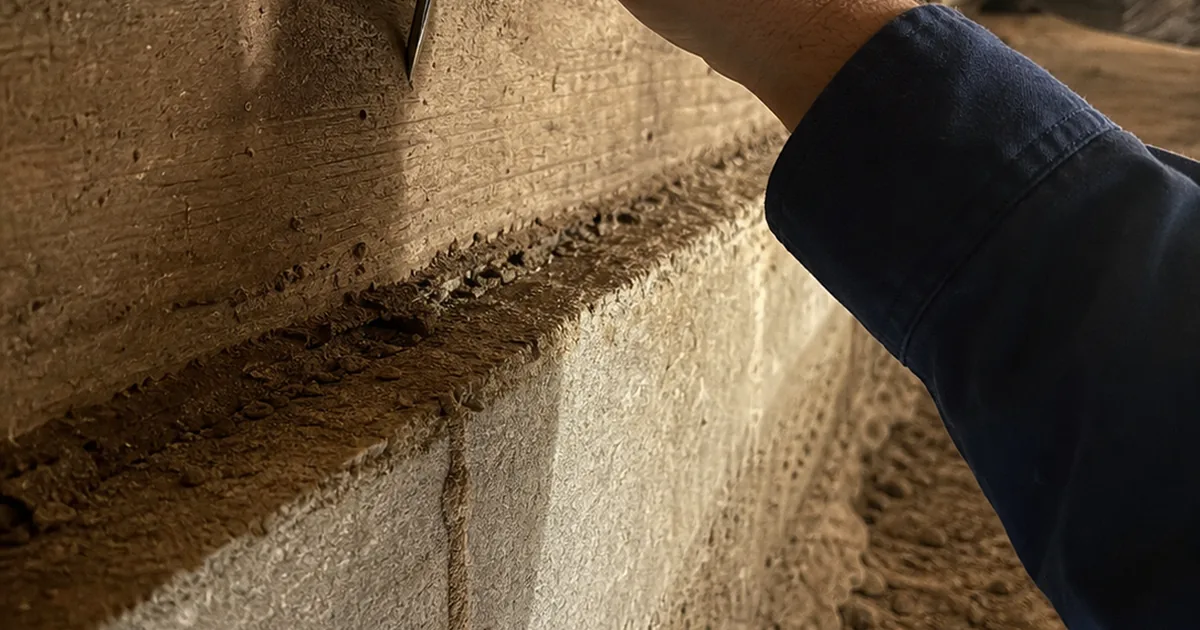
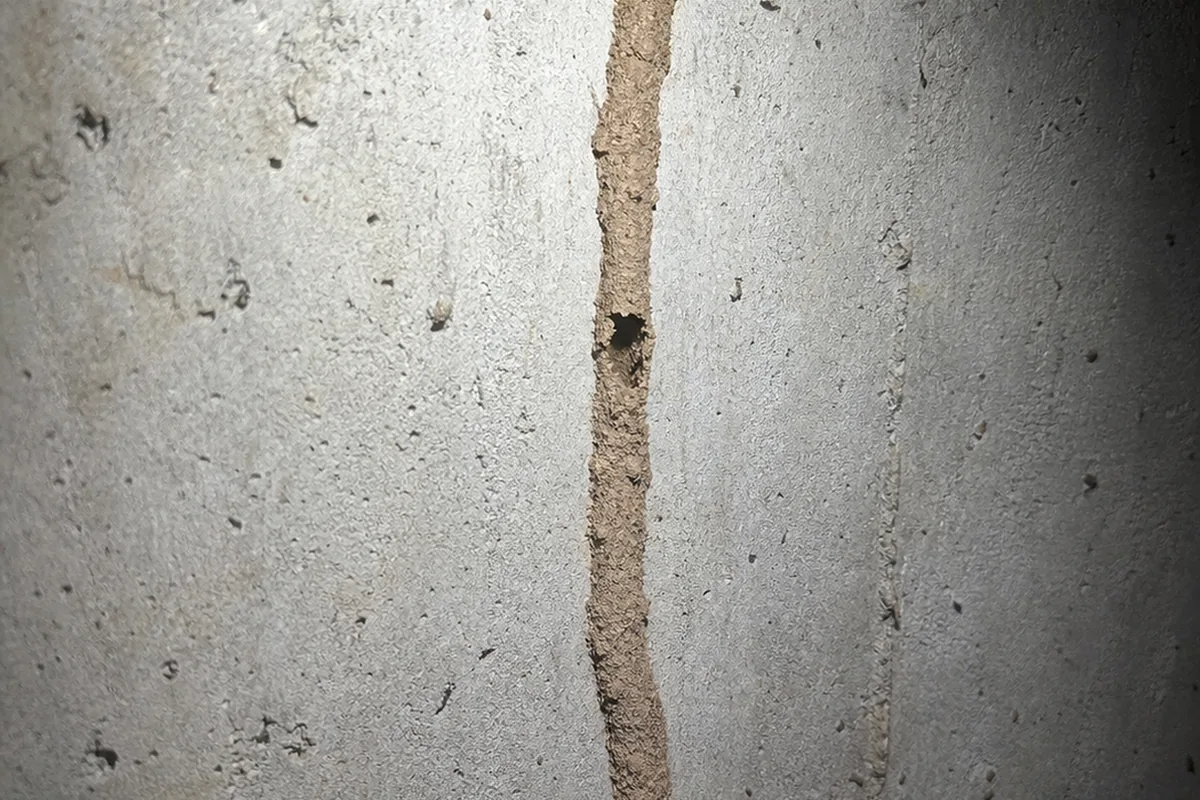
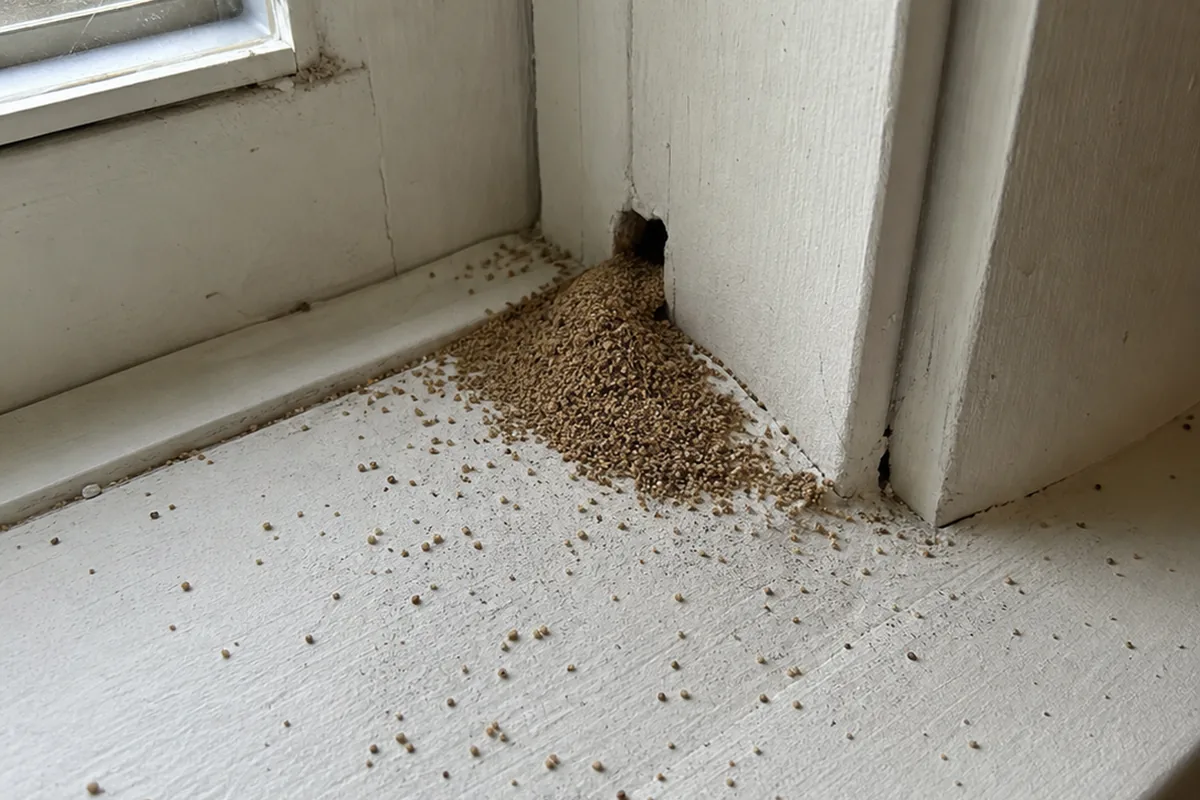
On an older home near downtown Fullerton, the house showed well and the buyer was ready to write. Then we ran a flashlight along the garage sill and found the tell: a thin mud tube climbing the foundation and a run of framing that sounded hollow when tapped. Up in the eaves, a scatter of what looked like coarse sand, drywood termite droppings, sat on the trim below a fascia joint. None of it was visible from the living room. All of it was the reason to bring in a proper wood-destroying-organism report before the deal moved.
This is a common Fullerton pattern. A lot of the city’s housing is older wood-frame construction, from the 1920s and 1930s homes near downtown and Chapman to the post-war tracts, and this part of California is prime territory for both subterranean and drywood termites, plus the fungal decay that follows moisture. The house can look perfect and still have activity behind the finishes. Getting ahead of it is the difference between a clean close and a scramble.
This guide is for the agent working Fullerton. Here is what wood-destroying organisms actually are, how the WDO report works in a California deal, and how to keep escrow on track.
Why this matters for the agent
Here is what is at stake. Termites and wood decay are not just a pest nuisance. They damage the structural wood of the house, and in a California transaction they run through a specific, lender-facing document: the wood-destroying-organism report, often called the termite or WDO report. Mortgage lenders frequently require proof the home is structurally sound with respect to pests before they fund, and certain loan types are strict about it. That makes termites a financing item, not just a repair item.
For your transaction, understanding the WDO process keeps the deal moving. The report divides findings into categories that decide what must be fixed to close and what is merely a warning, and knowing the difference lets you negotiate from facts instead of fear. An agent who orders the right inspection early and reads the report correctly looks like a pro. The one who treats a termite finding as a vague scary thing loses time and negotiating room. We flag the evidence on the home inspection; the WDO report is what the lender and the negotiation run on.
What wood-destroying organisms actually are
Wood-destroying organism, WDO, is the umbrella term California uses for the pests and conditions that damage structural wood: termites, wood-boring beetles, and fungal wood decay. In Fullerton, two termite types matter most. Subterranean termites live in the soil and build mud tubes up the foundation to reach the wood, and they are treated by addressing the soil-to-wood path. Drywood termites live inside the wood itself, leave small piles of pellet-like droppings, and are treated by localized methods or, for a widespread infestation, whole-house fumigation, the tenting you see around older homes. Fungal decay, dry rot, is the third category, and it follows moisture into sills, eaves, and subfloors.
The document that captures all of this is the WDO report, and it is a distinct thing from a home inspection. In California, only a company holding a structural pest control license can perform the WDO inspection and issue the official report that lenders and escrow accept, and that report has a defined shelf life, generally about four months from the inspection. A home inspection and a WDO report are complementary, not interchangeable, and a Fullerton buyer on an older home usually needs both. Our what every inspection includes page shows exactly where the home inspection’s scope starts and stops.
Section 1 and Section 2, the part that drives the deal
The WDO report sorts its findings into two buckets, and this is the part every agent should understand cold.
Section 1 is active infestation or damage that exists now and is visible: live termites, current fungal decay, damaged structural wood. Section 1 items are what lenders and escrow focus on, because they represent present harm, and they are typically what must be cleared before or at closing. Section 2 is conducive conditions: things that are not currently a problem but are likely to lead to one if left alone, like earth-to-wood contact, excess moisture, or poor ventilation. Section 2 items are recommendations, not requirements, and they often become negotiation or maintenance items rather than must-fix conditions.
The practical takeaway for a Fullerton deal is to read which bucket each finding lands in. A long list of Section 2 conducive conditions can look alarming and yet require nothing to close, while a single Section 1 finding can gate the loan. Knowing the difference is how you keep a buyer calm and a deal on track.
What agents should tell every buyer
When a buyer is touring older Fullerton homes, give them these points before they write.
- On an older wood-frame home, a WDO report is usually worth ordering, and on many loans it is effectively required. Budget for it as a separate inspection from the home inspection.
- The home inspection and the WDO report are different. The home inspection flags visible evidence and conducive conditions; a licensed pest company issues the official WDO report the lender accepts.
- Learn the Section 1 versus Section 2 split. Section 1 is active damage or infestation that usually must be cleared to close. Section 2 is conducive conditions, generally recommendations.
- Treatment depends on the pest. Subterranean termites are handled at the soil-to-wood path; a widespread drywood infestation may call for fumigation. The pest company scopes it.
- The WDO report has a limited shelf life, generally about four months, so time it sensibly within the escrow.
- Moisture drives decay. Fixing the water source, drainage, leaks, ventilation, is part of protecting the home, not just treating the bugs.
A buyer who hears this from you reads a termite report as a manageable checklist, not a catastrophe.
Red flags during showings
You can spot the early signs without special tools. Watch for these on older Fullerton homes.
- Mud tubes climbing the foundation, pier posts, or garage walls, a subterranean termite sign.
- Small piles of pellet-like droppings under eaves, window trim, or beams, a drywood termite sign.
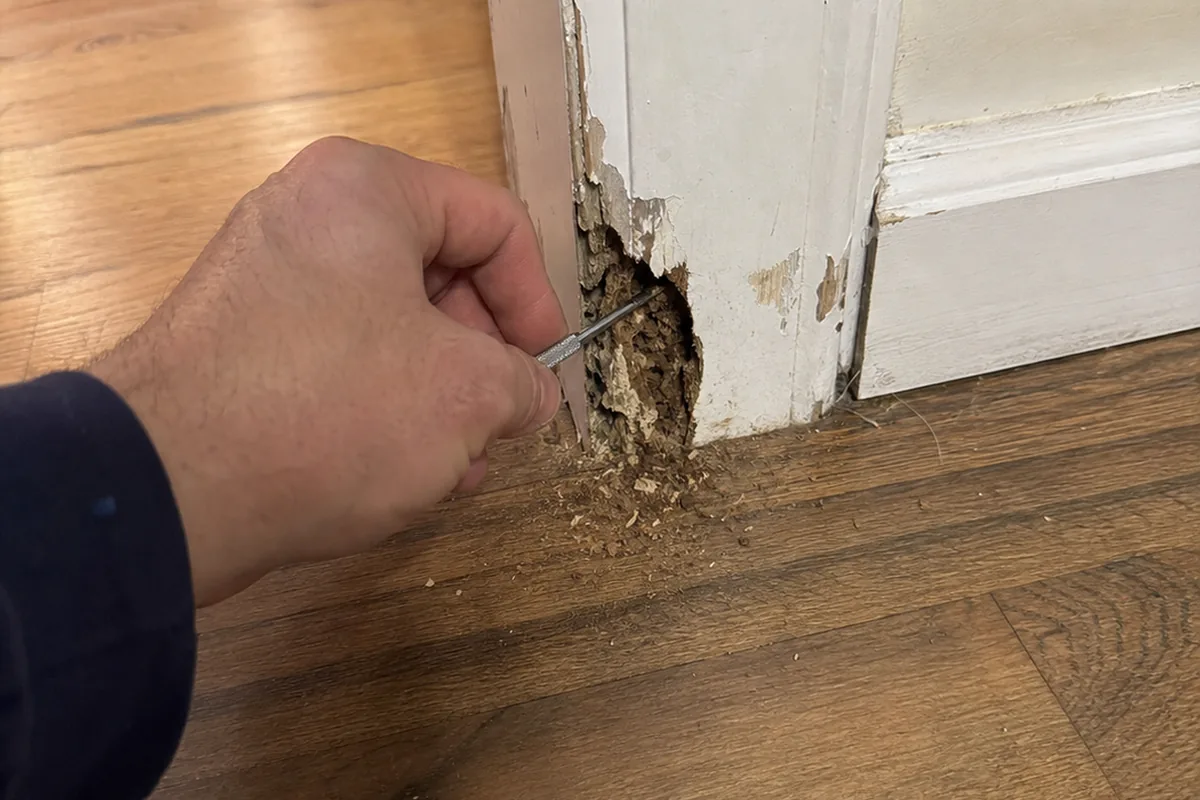
- Wood that sounds hollow when tapped, or trim and sills that crumble or flex under light pressure.
- Discarded wings near windowsills or light fixtures after a swarm.
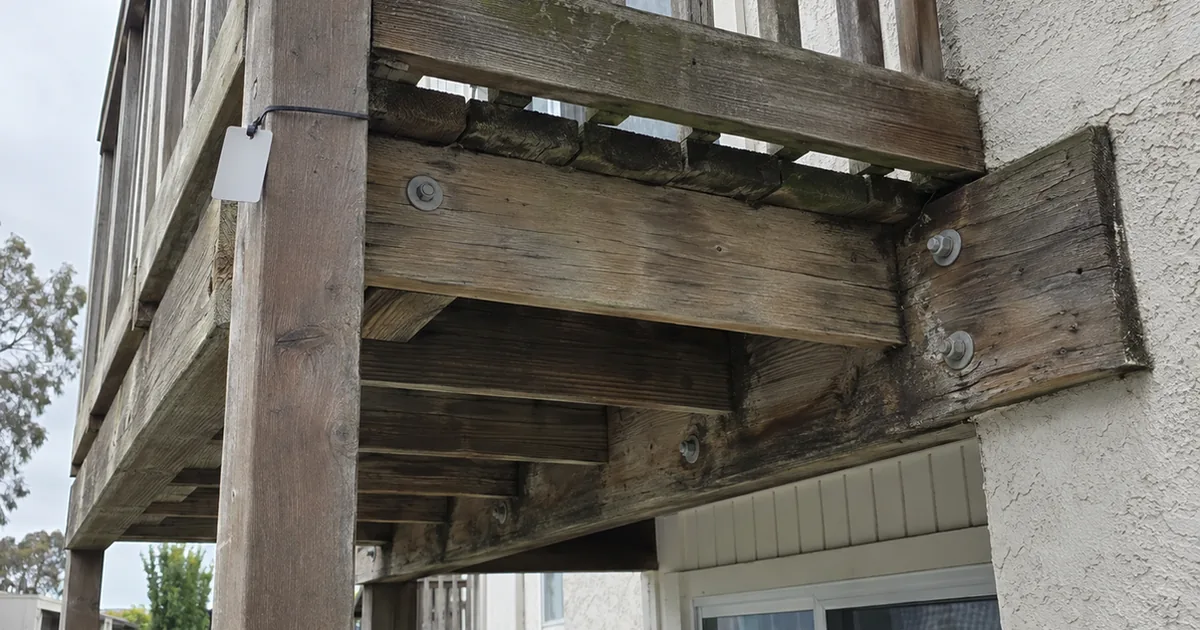
- Soft, stained, or fungal-looking wood at sills, subfloor, eaves, and anywhere water sits.
- Earth-to-wood contact, wood siding or posts meeting soil, and damp crawlspaces, all conducive conditions.
If we see these, we document them and recommend a licensed WDO inspection before the contingency clears. The same older-home caution applies in the neighboring cities, from Orange and its pre-1940 district to the post-war tracts of Anaheim.
The negotiation playbook
When termites or decay surface, the deal usually moves one of a few ways.
The first path is seller clears Section 1. The seller has a licensed company treat the active infestation and repair the damaged structural wood, providing the Section 1 clearance the lender needs, before closing. This is the most common outcome on an older home, and it is often what the loan requires anyway.
The second path is a credit for Section 1 work. The buyer takes a credit sized to the pest company’s bid and completes the clearance and repairs after closing, when the lender allows it. Confirm the loan permits closing before clearance, because some do not, and size the credit to the written bid.
The third path is the Section 2 negotiation. The conducive conditions are not required to fix, so they become a discussion, correct the drainage and earth-to-wood contact now, or accept them as maintenance. This is where reading the report correctly saves everyone from treating a warning like an emergency.
The fourth path is walk-away. Occasionally the damage is extensive, the structural repair is significant, and the buyer decides it is more than they signed up for. That is a legitimate call on a heavily infested older home. We document what we found and when, and the decision belongs to the buyer and the pest and structural specialists.
How the inspection actually catches it
A home inspection and a WDO report are different scopes, and we are clear about that. On the home inspection we document the visible evidence of wood-destroying organisms, mud tubes, droppings, damaged or hollow-sounding wood, swarmer wings, and fungal decay, and we flag the conducive conditions that invite them, earth-to-wood contact, moisture, and poor ventilation.
We use thermal imaging and moisture tools to find the damp areas behind walls and under floors where decay and subterranean activity hide, the technique our guide on why infrared scanning matters in California homes explains. Everything we find lands in the same-day inspection report with photos, and our guide on how to read a home inspection report helps the buyer sort the priorities.
What we do not do is issue the official WDO report. That is the licensed structural pest control company’s role, and their report is what the lender and escrow accept. Our job is to catch the evidence, connect it to the conditions driving it, and tell the buyer to order the WDO inspection and address the moisture. If we see something worth flagging, it goes in the report, and we point the buyer to the right specialist.
Schedule a Fullerton inspection →
Quick FAQ
Is a termite report the same as a home inspection? No. A home inspection covers the whole house and flags visible pest evidence and conducive conditions. A WDO report is a separate inspection performed by a licensed structural pest control company, and it is the document lenders and escrow accept. On an older Fullerton home you usually want both, and our inspection FAQ covers how the two work together.
What is the difference between Section 1 and Section 2? Section 1 is active infestation or damage that exists now and is usually required to clear before or at closing. Section 2 is conducive conditions that could lead to problems and are generally recommendations, not requirements. Reading which is which drives the negotiation.
Do all termites mean tenting the house? No. Subterranean termites are treated at the soil-to-wood path, not by fumigation. Drywood termites can sometimes be handled with localized treatment, and fumigation is for widespread drywood infestations. The licensed company scopes the right approach.
Will termites stop the loan? They can. Many lenders require a clear WDO report or proof that Section 1 items are cleared before funding, and some loan types are strict. That is why ordering the report early and clearing Section 1 keeps the deal on schedule.
How long is the report good for? Generally about four months from the inspection date. Time it within escrow so the clearance is still valid at closing.
The honest summary
Fullerton’s older homes are full of character and, often, of the wood that termites and decay love. It is one of the most common findings on an older home here, and it is also one of the most manageable when it is handled in order: get the WDO report, read the Section 1 versus Section 2 split correctly, clear what the lender requires, and fix the moisture that invites it back. None of that should scare a buyer off a charming older home. It should send them to order the right inspection and read the report with clear eyes.
We will catch the evidence on the home inspection, tell your buyer what conditions are driving it, and point them to the licensed WDO inspection the deal needs. That is the job. For the historic-district side of the same housing stock next door, see our Old Towne Orange historic homes guide.
See what every inspection includes → · Explore Fullerton home inspections →
Related reading
- The Hidden Shower Leak in Aliso Viejo. Where a slow shower-pan leak feeds the moisture that wood-destroying organisms look for.
- The Termite Report in Monrovia: An Agent’s Guide: how to actually read Section 1, Section 2, and the Further Inspection box on the report itself.
- Old Towne Orange historic homes guide: the preservation-district and old-systems side of the same pre-1940 housing stock one city over.
- How to read a home inspection report in California: turn the findings list into a calm, prioritized negotiation.
- Why infrared scanning matters in California homes: how thermal imaging finds the moisture that feeds decay and termites.
- Vista polybutylene piping guide: another hidden-behind-the-walls finding that changes a negotiation.
- Garden Grove ducted HVAC returns guide: a neighboring-city example of how post-war systems show up in the report.
- Wood Siding on San Francisco Homes. The cladding layer those organisms get in behind, and why covering a wall makes their evidence harder to find.
- Beam and Post Deterioration in Oakland. The structural members those organisms reach first, and the base connections that let them in unseen.