In a Craftsman bungalow a few blocks off the Plaza, the buyer loved the built-ins and the front porch and assumed a well-kept old home was a simple buy. Under the house told a different story. The wiring was a mix of original cloth-jacketed runs and later additions, the supply lines were galvanized, and the home sat on a raised foundation with an unbraced cripple wall. Beautiful upstairs. A century old underneath. And because it sits inside a historic district, even the fixes come with a few extra rules.
This is the Old Towne Orange reality. The district is one square mile around the Plaza and the largest National Register historic district in California, with more than 1,200 historic buildings, most built between the 1880s and 1940. Buyers come for the Victorian, Craftsman, and bungalow character. What they need to understand is that the home carries the systems of its era and sits under a preservation overlay that shapes what they can change. An agent who gets both looks like a pro.
This guide is for the agent working Orange. Here is what a pre-1940 home actually carries, how the district and the Mills Act affect it, and how to keep a deal on track.
Why this matters for the agent
Here is what is at stake. A historic Old Towne home is really two things at once: an old building with old systems, and a regulated property inside a preservation district. The systems side means original wiring, galvanized plumbing, older foundations, and the safety and insurance questions that come with them. The regulatory side means the exterior and often the changes a buyer wants to make are subject to preservation review, and that the Mills Act, a property-tax incentive many Orange owners use, comes with a preservation agreement attached.
For your transaction, understanding both keeps the buyer’s expectations grounded. A buyer who thinks they can gut and modernize freely may be surprised by the district rules, and a buyer who ignores the systems may be surprised by the cost of bringing a century-old home up to modern safety. The agent who frames the character, the systems, and the rules together is the one who keeps the deal, and the client, for the long run. We inspect the home; the district and Mills Act questions run through the city.
What a pre-1940 Old Towne home actually carries
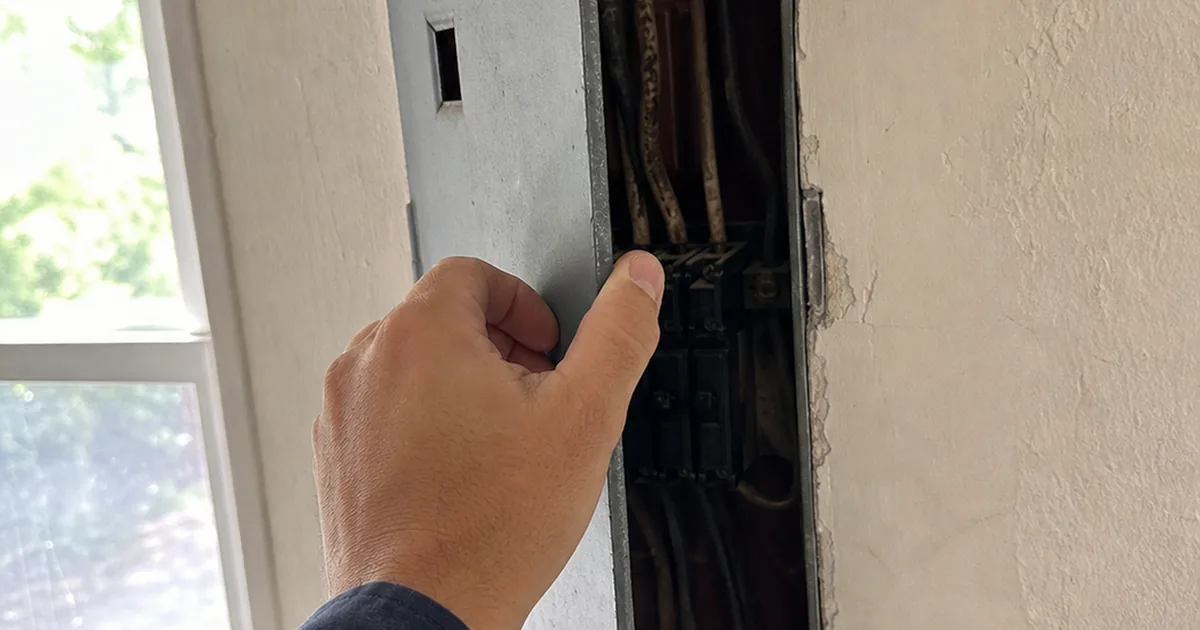
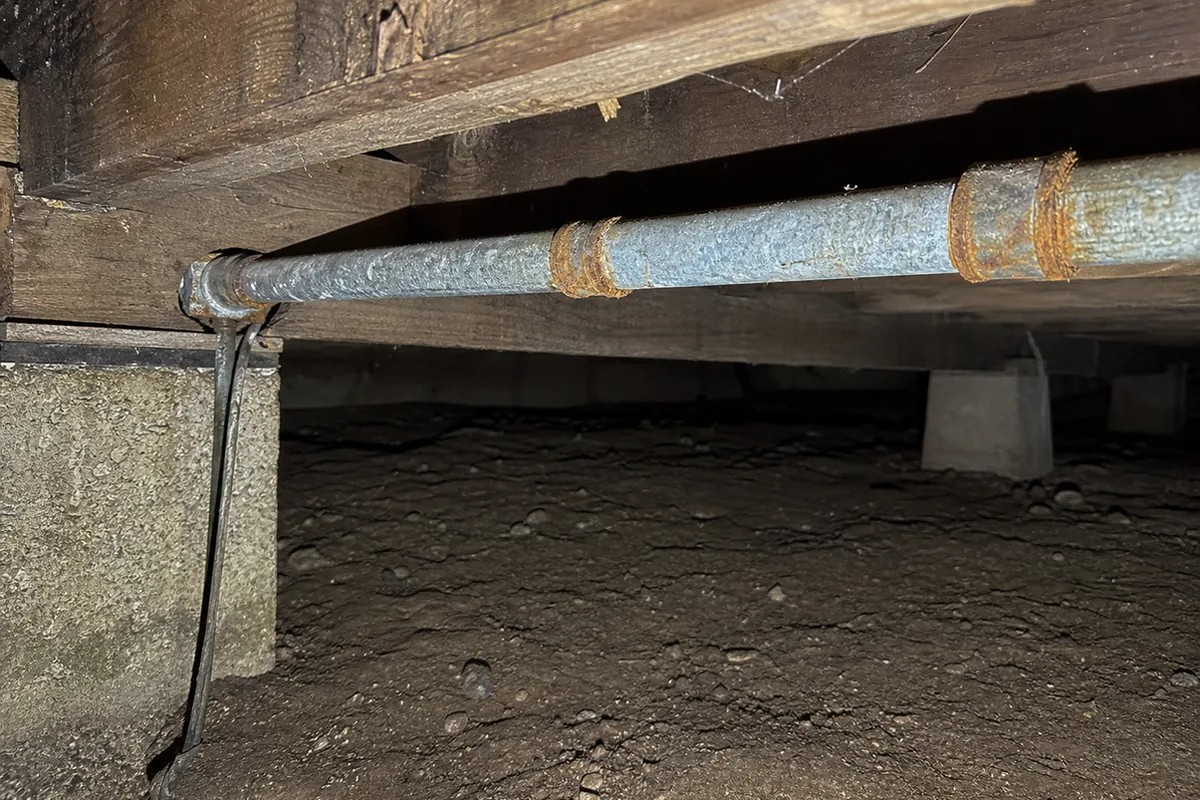
Most of Old Towne was built between the 1880s and 1940, so the housing carries the systems and structures of that long window. On the electrical side, that can mean original knob-and-tube wiring, later aluminum or mixed additions, and undersized service that a modern household outgrows. On plumbing, it often means galvanized supply lines that corrode from the inside and original cast-iron or clay drains, the same combination our Pasadena galvanized and cast iron plumbing guide walks through on the same era of housing. Structurally, these homes typically sit on raised foundations with cripple walls that may lack modern bracing and bolting, which matters in a seismically active region. And because they are old, lead paint and asbestos-era materials are common, with the federal disclosure and safe-work rules that follow.
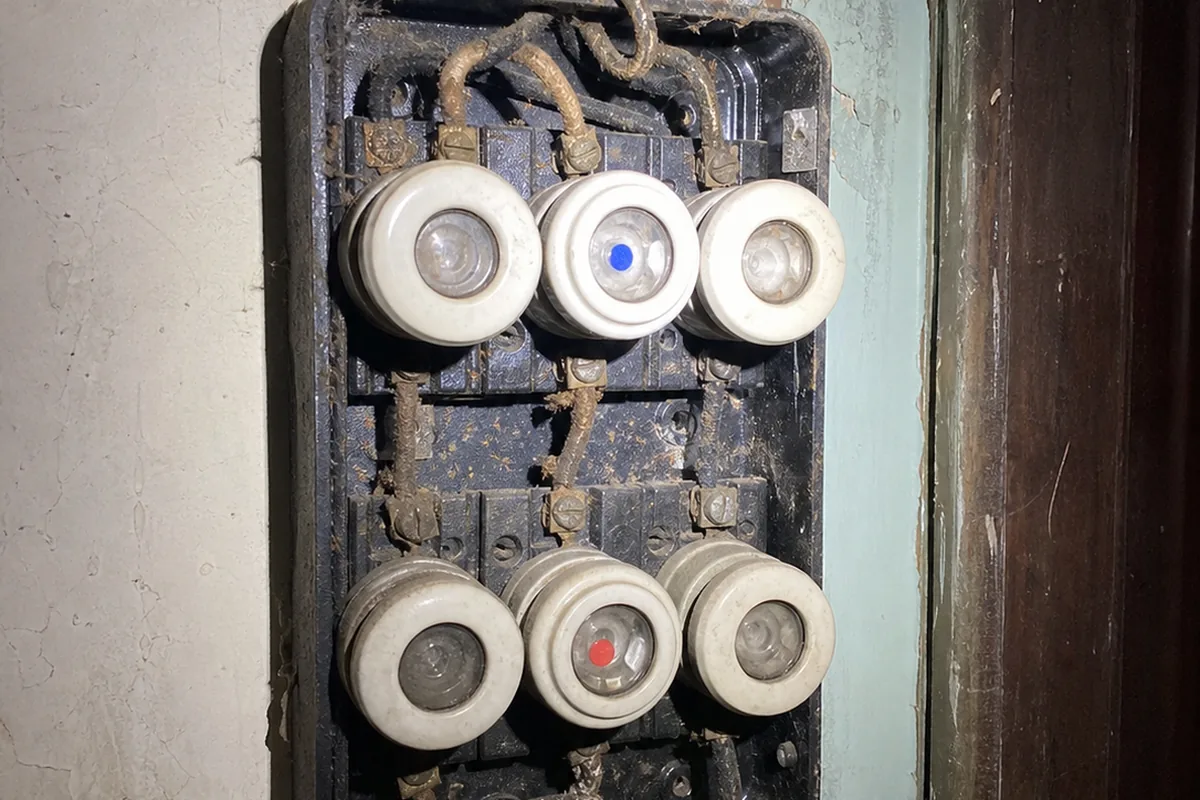
None of that makes an Old Towne home a bad buy. These homes have stood for a century and many are lovingly maintained. It means the inspection has to read the real age of the systems behind the restored finishes, so the buyer knows what they are taking on and what to budget, rather than assuming a pretty house is a modern one.
The historic district and the Mills Act, the part buyers overlook
Old Towne Orange is a preservation district, and that changes the ownership in ways a buyer should understand before they write. Exterior changes, and often more, are subject to historic preservation review by the city, so the buyer’s plans to alter windows, siding, roofs, or the street-facing character are not automatic. Preserving the historic fabric is the point of the district, and it is part of what protects the home’s value, but it also means a buyer cannot treat the property like an ordinary remodel.
The Mills Act is the other piece. It is a voluntary program that gives owners of qualified historic properties a property-tax reduction in exchange for a preservation and maintenance agreement, and many Orange properties are enrolled. For a buyer, that can be a real financial benefit, and it also carries obligations to maintain and preserve the home. Whether a given property is under a Mills Act contract, and what that contract requires, is a due-diligence item worth confirming with the city. The home inspection does not answer these regulatory questions, and we point the buyer to the City of Orange and the preservation resources for them.
What agents should tell every buyer
When a buyer is touring Old Towne Orange homes, give them these points before they write.
- A restored historic home still carries its original systems. Ask when the electrical, plumbing, and foundation were actually updated, not just when the kitchen was.
- Expect older-home findings, knob-and-tube or mixed wiring, galvanized plumbing, an unbraced cripple wall, lead paint, and budget for them as part of the purchase.
- The property sits in a preservation district. Exterior and many other changes are subject to historic review, so the buyer’s remodel plans are not automatic.
- Check the Mills Act status. If the property is enrolled, understand the tax benefit and the preservation obligations that come with it.
- Insurance and safety follow the systems. Talk to the insurer early about older wiring, and plan any needed safety upgrades.
- The home inspection documents the systems and structure. The district and Mills Act questions go to the City of Orange. Line them up.
A buyer who hears this from you buys the character with clear eyes, understanding both the home and the rules that come with it.
Red flags during showings
You can read a lot from the walls, the panel, and under the house. Watch for these on Old Towne homes.
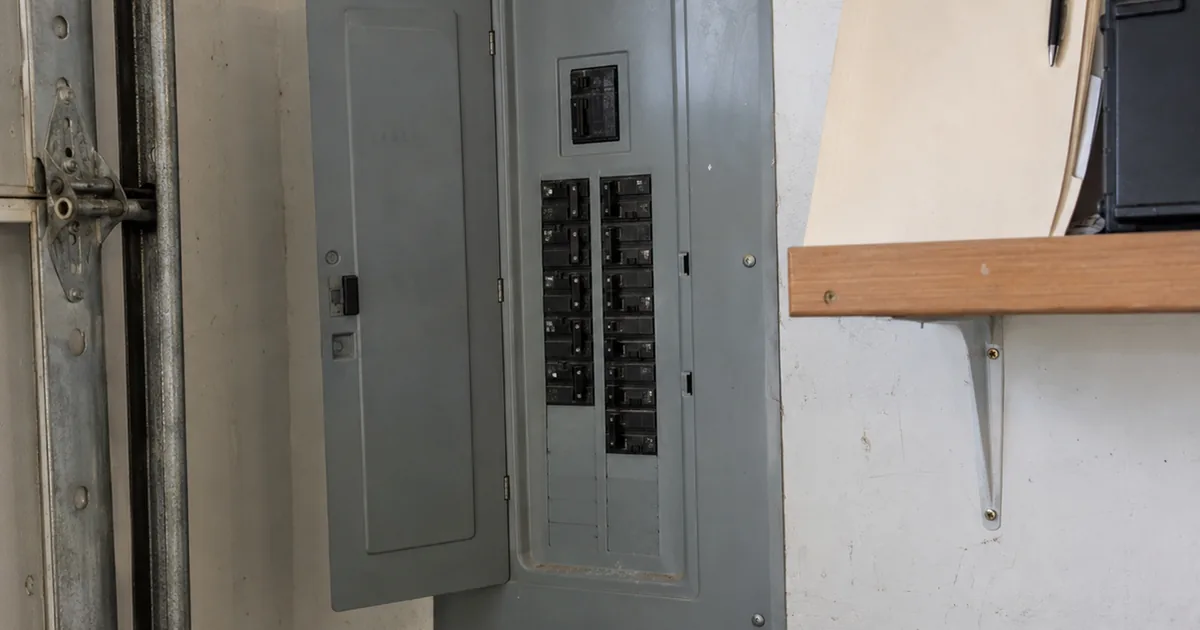
- Two-prong ungrounded outlets, a fuse panel or undersized service, and cloth-jacketed or knob-and-tube wiring visible in the attic or basement.
- Low water pressure or rusty first-draw water, signs of galvanized supply lines.
- A raised foundation with an unbraced, unbolted cripple wall in the crawlspace.
- Sticking doors, sloping floors, or cracks that suggest foundation movement on an old raised foundation.
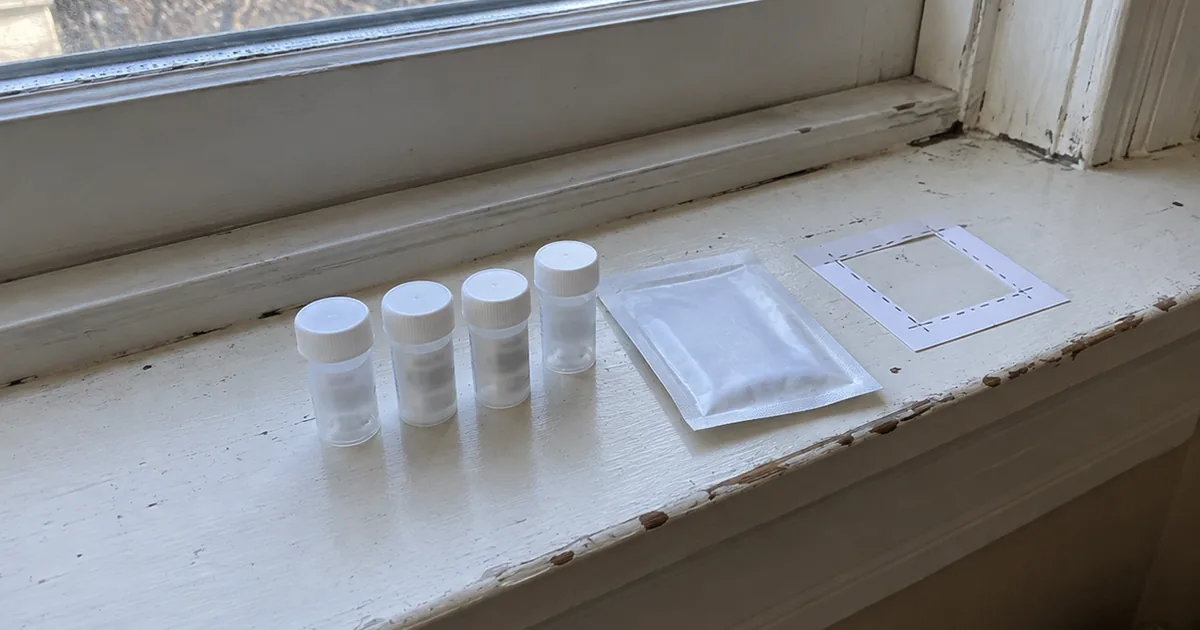
- Chipping or layered old paint on pre-1978 surfaces, a lead-paint consideration.
- Fresh finishes over unknown-age systems, which is a reason to look closer, not to relax.
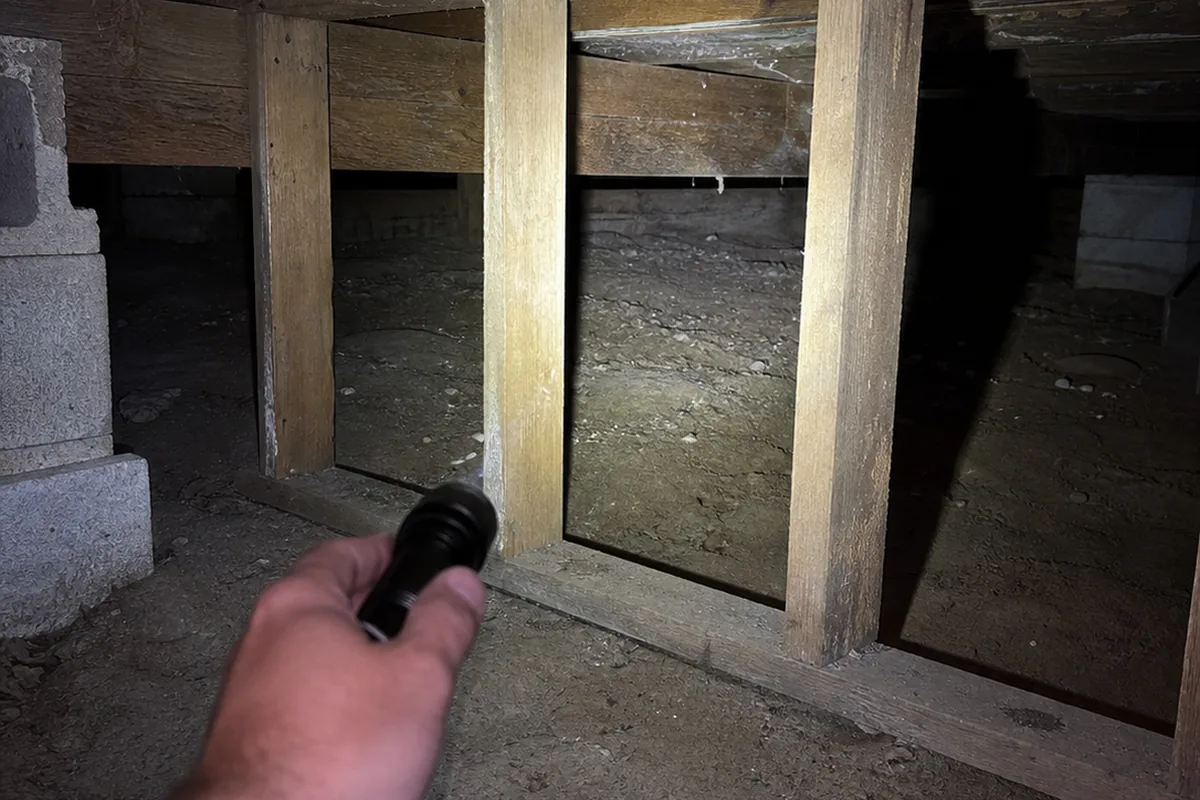
If we see these, we document them and point the buyer to the right specialist, and to the city for the district questions. The same pre-war housing pattern shows up across the county line too, and the termite side of the same era of wood-frame homes is covered in our Fullerton termites and WDO guide.
The negotiation playbook
When older-home findings surface in Old Towne, the deal usually moves one of a few ways.
The first path is seller-updates the priority systems. The seller addresses the highest-safety items, an unsafe panel, active knob-and-tube, a failing cripple wall, permitted, before closing. This is cleanest when insurance or safety is driving the timeline, and it is worth pushing for on the items that gate coverage.
The second path is a credit with real bids. The buyer takes a credit sized to licensed electrician, plumber, and structural bids and does the work after closing on their own timeline. Historic homes reward this approach, because the buyer can sequence upgrades sensibly, but size the credit to the bids and expect a few surprises once walls are opened.
The third path is the phased plan. Not everything has to happen at once. A buyer can prioritize the safety items now, wiring, panel, cripple-wall bracing, and phase the cosmetic and system work over time, coordinating with the district rules for anything that touches the historic fabric. We help by making the report a clear priority list.
The fourth path is walk-away. Occasionally the systems, the structure, and the restrictions add up to more project than a buyer wants. That is a legitimate call on a century-old home. We document what we found and when, and the decision belongs to the buyer and their specialists.
How the inspection actually catches it
Old Towne is where a careful, older-home inspection earns its keep, and we plan for the extra time. We open the panel and read the wiring, distinguishing original knob-and-tube and mixed additions from modern copper, and we flag undersized service and unsafe conditions, the same read our Escondido Federal Pacific and Zinsco panel guide applies to mid-century equipment. We identify galvanized supply lines and check functional flow. In the crawlspace we document the raised foundation and the cripple wall, look for bracing and bolting, and note movement, the retrofit logic our South Pasadena cripple-wall guide covers in depth. We flag suspect lead and asbestos-era materials.
We use thermal imaging and moisture tools to find the leaks and decay that hide in old walls and subfloors, the technique behind our guide on why infrared scanning matters in California homes. Everything lands in the same-day report as a clear priority list. What we do not do is rule on the historic district or the Mills Act. Those are the City of Orange’s domain, and we route the buyer there for the preservation and tax questions. If we see something worth flagging, it goes in the report.
Schedule an Orange inspection →
Quick FAQ
Do historic Old Towne homes really still have old wiring and plumbing? Often, yes. Most of Old Towne was built between the 1880s and 1940, and a restored home can still carry original or mixed wiring, galvanized plumbing, and an older foundation behind updated finishes. We document what era the systems are actually from and flag what a specialist should evaluate.
Can I remodel a home in Old Towne however I want? Not freely. The district is a preservation overlay, so exterior and many other changes are subject to historic review by the City of Orange. It protects the character and the value, and it means a buyer should understand the rules before planning a major remodel.
What is the Mills Act and should I care? It is a voluntary program giving owners of qualified historic properties a property-tax reduction in exchange for a preservation and maintenance agreement, and many Orange properties are enrolled. It can be a real benefit with real obligations. Confirm a property’s status with the city as part of due diligence.
Are these homes a bad idea to buy? No. Many are beautifully maintained and have stood for a century. The point is to inspect the real age of the systems, budget for the older-home items, and understand the district rules, so the buyer gets the character without the surprises. Our what every inspection includes page shows how far the older-home inspection goes.
Does the home inspection cover the historic-district rules? No. We inspect the home and its systems. The historic-preservation and Mills Act questions are the City of Orange’s domain, and we point the buyer there for them. How the findings themselves are organized is covered in our inspection FAQ.
The honest summary
Old Towne Orange is one of the best places in the region to own a piece of history, and buying well there means holding two truths together. The home carries its original systems behind the restored finishes, and it sits under a preservation overlay that shapes what a buyer can change. Inspect the systems, budget for the older-home items, confirm the district and Mills Act status with the city, and the character becomes an asset instead of a surprise.
We will read the wiring, the plumbing, and the foundation honestly, hand your buyer a clear priority list, and point them to the city for the preservation questions. That is the job. We also inspect the neighboring cities, including Santa Ana, Tustin, and Anaheim.
See what every inspection includes → · Explore Orange home inspections →
Related reading
- Fullerton termites and WDO guide: the wood-destroying-organism side of the same pre-war housing stock one city over.
- South Pasadena cripple-wall foundation retrofit guide: what bracing and bolting an old raised foundation actually involves.
- Pasadena galvanized and cast iron plumbing guide: why pre-1940 supply and drain lines fail from the inside out.
- Escondido Federal Pacific and Zinsco panel guide: the electrical-panel half of the older-home safety conversation.
- How to read a home inspection report in California: turn a long older-home findings list into a phased plan. If a buyer here plans to renovate, the lead clearance math changed. Read why a pre-1978 renovation is harder to clear after January 12, 2026.