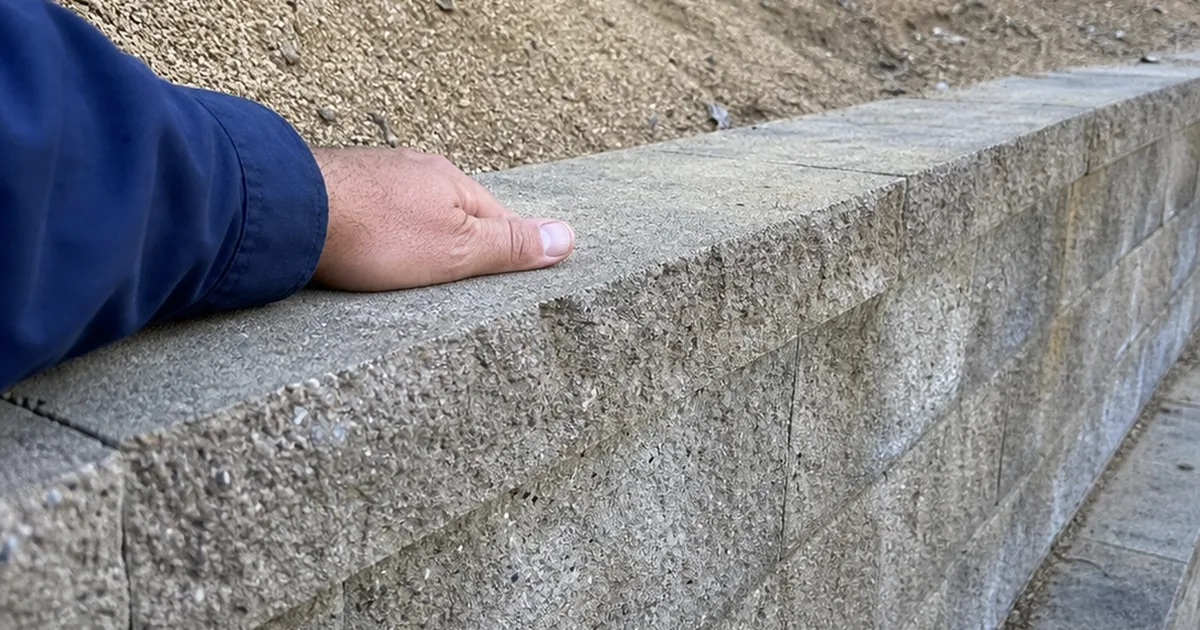
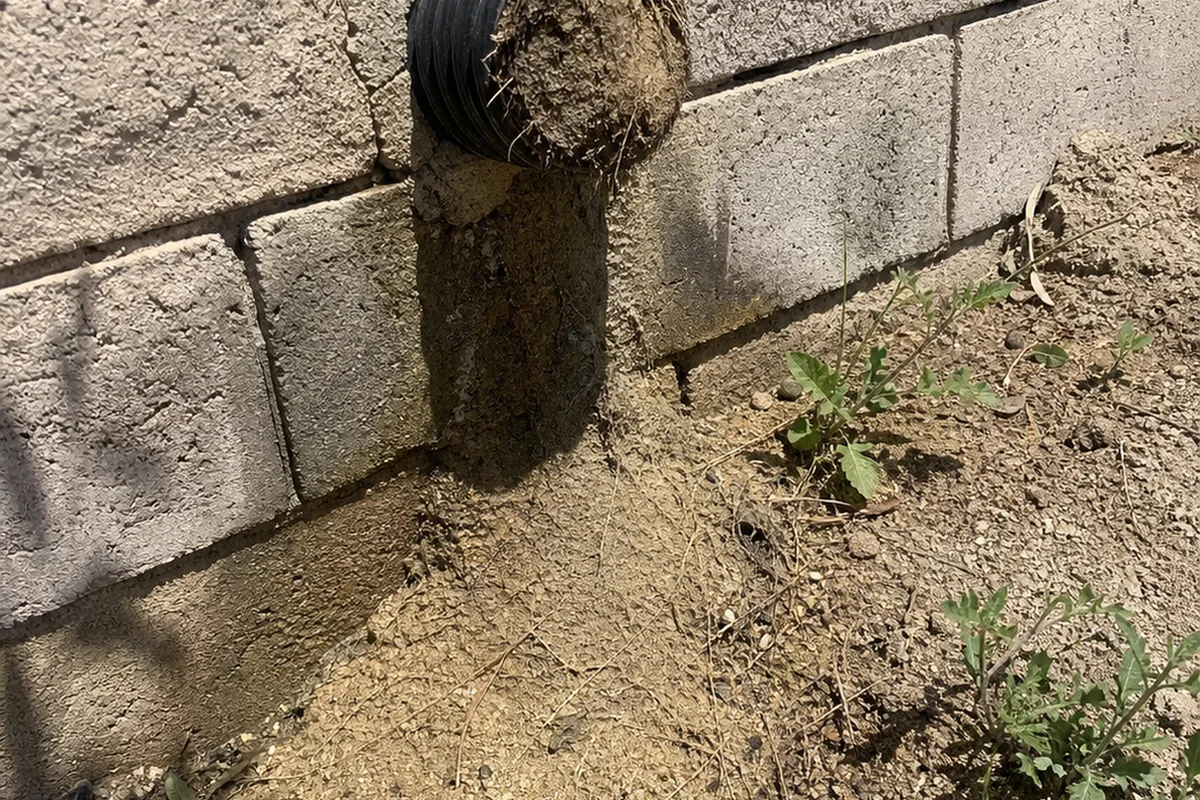
On a terraced San Elijo Hills lot, the view was the reason to buy and the retaining walls were the reason to look closer. The upper tier had a hairline crack stepping through the block and a slight lean, and the sub-drain outlet at its base was dry and half-clogged while the soil above stayed damp. On a flat lot none of that registers. On a decomposed-granite hillside cut into terraces, the walls and the drainage are doing the work that holds the property together.
This is the San Marcos hillside pattern. Much of the newer housing sits on graded, terraced view lots in San Elijo Hills, Old Creek Ranch, and the slopes above Twin Oaks Valley, on decomposed granite and expansive soils. Those lots depend on multi-tier retaining walls, sub-drains, and grading that moves water off the slope. When they work, the home is solid. When they do not, the movement shows up in the walls, the flatwork, and the house.
Schedule a San Marcos inspection · Same-day report · Pay-at-closing available
Why this matters for the agent
Here is what is at stake. On a hillside lot, the retaining walls and the drainage are structures, not landscaping, and they are expensive to fix. A leaning or failing multi-tier wall, or drainage that dumps water into a slope instead of off it, can distress the home, crack the flatwork, and threaten the pad. This is the category of finding that turns into a five-figure repair, and it is invisible if all anyone looks at is the kitchen and the view.
For your transaction, an accurate read keeps the deal grounded. Most terraced hillside homes are sound, and you do not want a buyer spooked by ordinary cracks in a block wall. But when the walls are moving or the drainage is failing, you want it identified and, when warranted, evaluated by an engineer before the contingency clears, not discovered after the first big rain. An agent who understands the terrain and gets the right eyes on the walls looks like a professional who knows the San Marcos hills.
If you work San Marcos’s terraced hillside neighborhoods, this is part of your inventory whether you have thought about it that way or not.
What decomposed granite and terraced pads actually mean
Decomposed granite, DG, is granite that has weathered into a coarse, sandy, gravelly material. It is common across San Marcos, and it has a split personality on a slope. It can drain quickly, but it also ravels and erodes, and its strength depends heavily on how it was compacted and how water moves through it. Add the expansive soils also found in the area, which swell and shrink with moisture, and the ground under a hillside home is anything but inert.
Builders handle this by engineering the slope. They cut and fill the hillside into terraced pads, then hold the grade with retaining walls, often multiple tiers, built with proper footings, reinforcement, and sub-drains that carry water out from behind the wall. Grading directs surface water away from the pads and the walls. San Marcos requires grading permits for meaningful cut, fill, and slope work, which reflects how much the engineering matters here. The whole system depends on two things staying true over time: the walls staying plumb and intact, and the drainage staying clear and working. When a sub-drain clogs or a downspout feeds the slope, water builds up behind the wall, and that is when a hillside starts to move.
What agents should tell every buyer
When a buyer is touring hillside San Marcos homes, give them these points before they write.
- On a terraced hillside lot, the retaining walls and the drainage are structures that hold the property. Their condition is as important as the house.
- Decomposed granite and expansive soils make water management critical. Sub-drains, grading, gutters, and downspouts that move water off the slope are what keep it stable.
- Multi-tier walls carry more risk than a single short wall. Ask about the walls, whether they were permitted and engineered, and whether they have sub-drains.
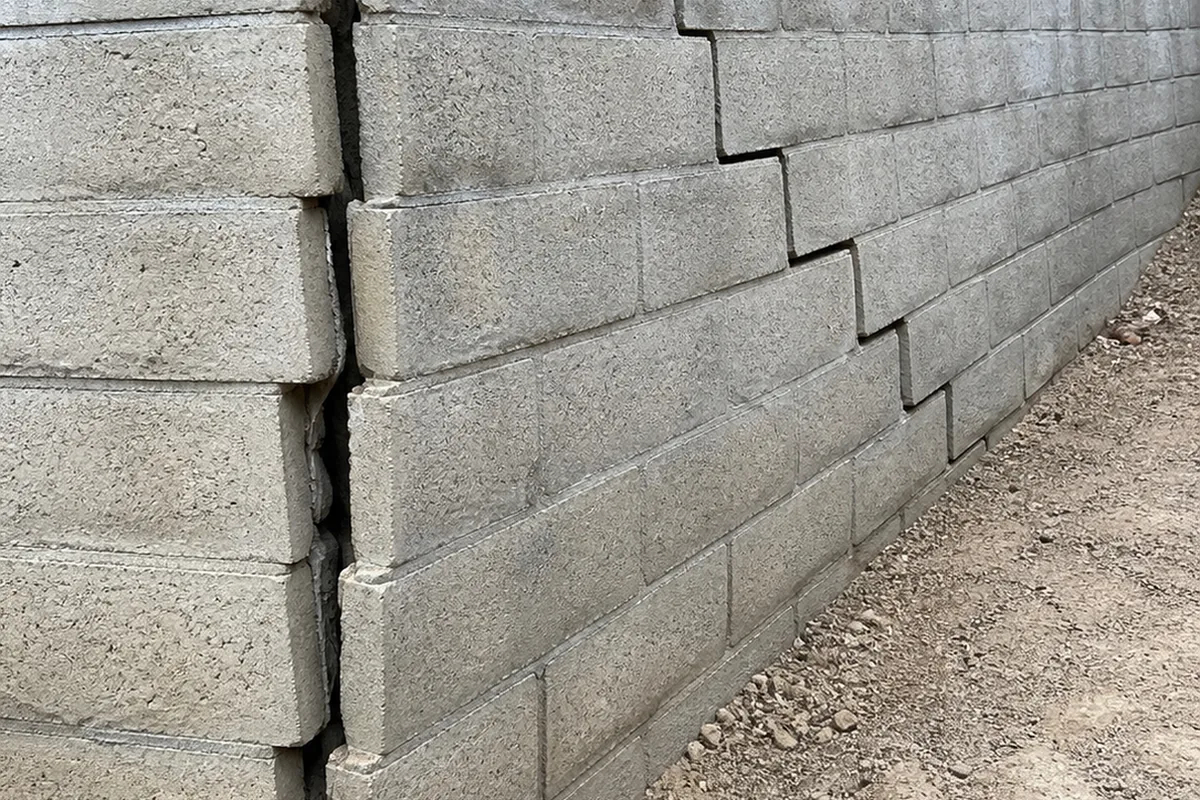
- Cracks, leans, and bulges in a retaining wall are worth a closer look, especially paired with wet soil or a clogged drain outlet.
- If the inspection flags wall or slope movement, a geotechnical or structural engineer is the right next call, not a cosmetic patch.
- The home inspection documents the visible walls, drainage, and slope signs. An engineer evaluates the hazard. Line them up.
A buyer who hears this from you reads a hairline crack in a block wall calmly and knows when to escalate.
Red flags during showings
You can spot most of this from the yard and the walls. Watch for these.
- Retaining walls that lean, bulge, crack, or show separation, especially on the upper tiers or the downhill side.
- Sub-drain outlets at the base of a wall that are clogged, dry while the soil is wet, or missing entirely.
- Cracks in the flatwork, driveway, or patio that run in a line, or terraces and hardscape that have tilted.
- Wet spots, seeps, or lush unexplained vegetation on a slope, which point to water building up in the hillside.
- Downspouts discharging toward the slope or the top of a wall instead of into a drain that carries it away.
- Eroded, raveling DG on an unprotected slope, or soil washing onto walkways after rain.
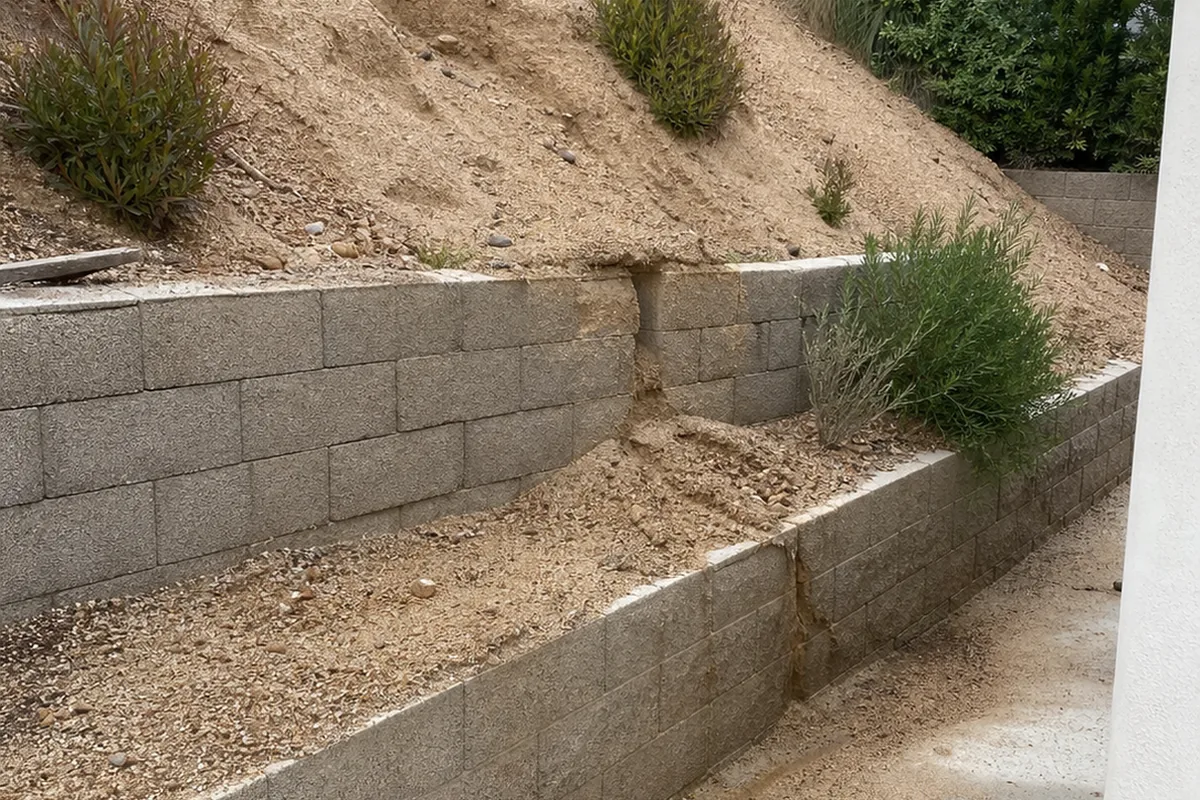
If we see a pattern rather than a one-off, we document it and recommend a geotechnical or structural engineer before the contingency clears.
Schedule a San Marcos inspection
The negotiation playbook
When wall or slope issues surface, the deal usually moves one of a few ways.
The first path is the specialist confirmation. An engineer reviews the walls and slope and finds them sound, with cracks that are cosmetic or dormant. The buyer proceeds, and the value of the inspection was knowing to check the walls on a terraced lot.
The second path is the drainage fix. The problem is water, a clogged sub-drain, downspouts feeding the slope, poor grading, and the remedy is restoring how water moves off the hillside. This is often the most sensible and cost-effective work on a hillside home, and it is worth pushing for when the clues point to water. The same water-management-first read applies to fresh graded pads on flatter new-construction lots, covered in our Tustin Legacy new construction guide.
The third path is the engineered wall repair. The engineer confirms a wall is failing or a slope is moving, and the fix, from rebuilding a tier to installing proper sub-drains to deeper stabilization, becomes a real, engineer-scoped number. A credit or seller repair follows that scope, not a guess, and on a multi-tier wall these numbers can be significant.
The fourth path is walk-away. Occasionally the walls, the drainage, and the slope add up to more risk and cost than a buyer wants, and on a steep terraced lot that is a legitimate decision. We document what we found and when, and the call belongs to the buyer and their engineer.
How the inspection actually catches it
A home inspection is not a geotechnical study, and we say so clearly. What we do on a hillside San Marcos home is read the whole system that holds the pad: the retaining walls and any lean, crack, bulge, or separation, the sub-drain outlets and whether they are clear and working, the grading and downspouts and where the water actually goes, the flatwork for movement, and the slope for erosion and seeps. One hairline crack is a note. A leaning tier over a clogged drain, paired with wet soil and tilted flatwork, is a reason to escalate.
We use thermal imaging and moisture tools to find water intrusion and the damp zones behind walls that signal drainage trouble, and our retaining walls and hillside drainage guide goes deeper on how these systems fail. What we do not do is analyze the slope, calculate wall capacity, or certify the ground. That is the geotechnical or structural engineer’s role, and we point the buyer there with a clear description of what we saw. If we see something worth flagging, it goes in the report.
Schedule a San Marcos inspection
Quick FAQ
Is a cracked retaining wall a dealbreaker? Usually not by itself. Many block walls have hairline or cosmetic cracks. The concern is a wall that leans, bulges, or separates, especially on an upper tier and paired with a clogged sub-drain and wet soil. The inspection reads the pattern and tells you which you are looking at.
Why does decomposed granite matter? DG is weathered granite that is coarse and sandy. It can drain fast but also ravels and erodes, and its behavior on a slope depends on compaction and water. Combined with the area’s expansive soils, it is why hillside lots here rely on engineered walls, sub-drains, and grading, and why water management is critical.
What is the most important thing to check on a terraced lot? The retaining walls and the drainage together. A wall is only as good as the sub-drain behind it and the grading that keeps water off it. We document the walls, the drain outlets, and where the water goes, and flag what an engineer should evaluate.
Who evaluates it if the inspection flags a problem? A geotechnical engineer for the slope and soil and a structural engineer for the wall. We document the visible signs and refer the buyer to the right specialist, who can assess capacity, drainage, and any needed repair.
Are these homes safe to buy? Most terraced hillside homes in San Marcos are sound. The point is that the walls and drainage are structures that need to be inspected and maintained, and that water is the factor that decides how they perform. Buy with the walls and drainage checked, not assumed.
The honest summary
The San Marcos hills deliver the views that buyers want, and those views come on terraced pads held by retaining walls and drainage cut into decomposed granite. Most of it is sound, water is the factor that decides the rest, and the difference between a cosmetic crack and a moving wall is exactly what a careful look and, when needed, an engineer are for. None of that should push a buyer off a hillside home. It should send them to look at the walls and the drainage before the contingency clears, not after the first rain.
We will read the walls, the drains, and the slope honestly, tell your buyer what the hillside is doing, and point them to the right engineer when it matters. That is the job.
Schedule a San Marcos inspection or see our full inspection scope before you book. Want to see what the finished report looks like? Here is a sample inspection report. Common questions are answered in the FAQ. For the same drainage-first read applied to a fresh graded pad, see our Tustin Legacy new construction guide, and for the deeper mechanics of retaining walls and hillside drainage, read our Poway retaining walls guide.