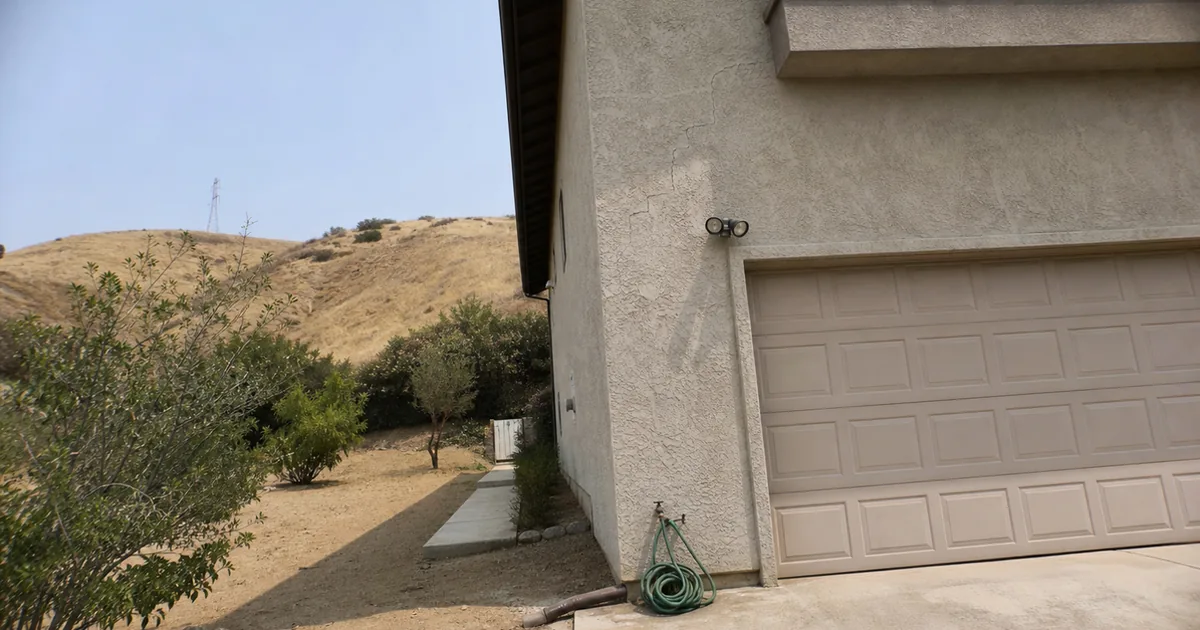
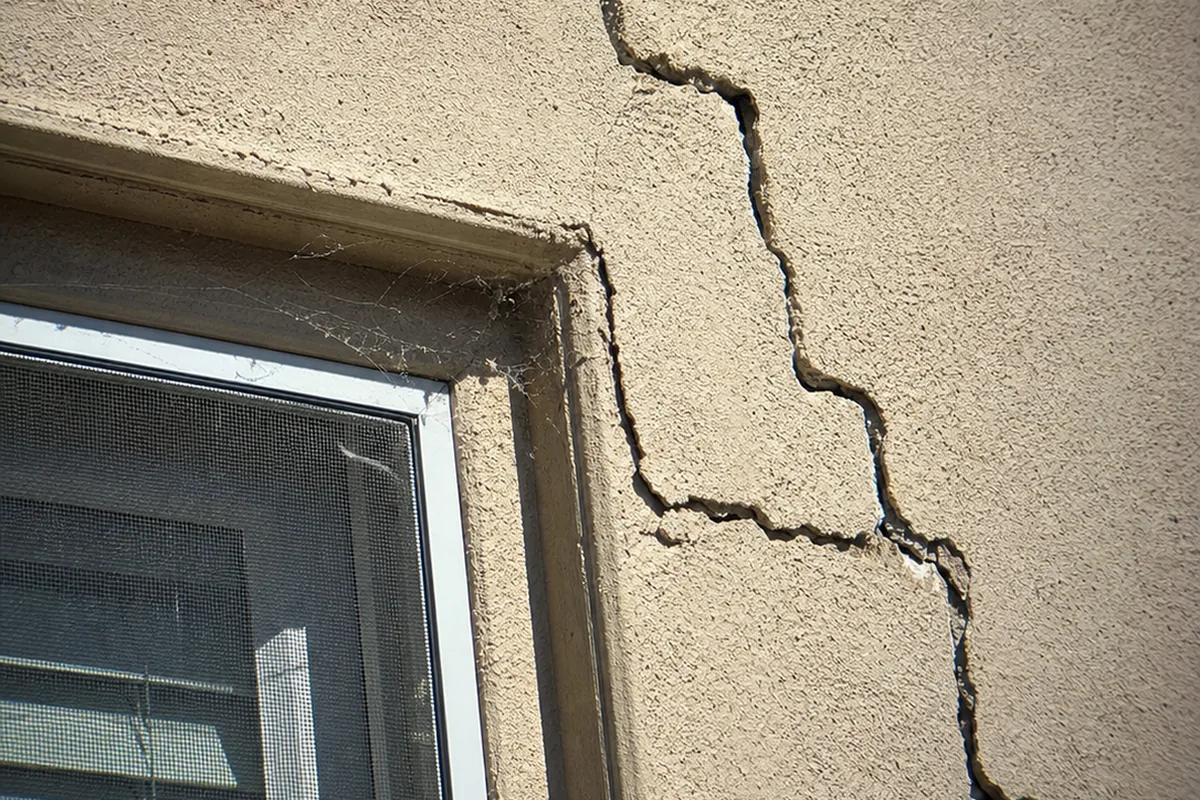
On a Northwood-area home that showed like a model, the tell was a hairline stair-step crack climbing the stucco above the garage, and a front door that had been planed at the bottom to keep it from sticking. Inside, a tile grout line had cracked in a straight run across the entry. None of it was dramatic. Together it was the signature of a home moving a little on the pad it was built on, and it changed how the buyer looked at the house.
This is the Irvine wrinkle. The city is master-planned and beautifully built, village by village, much of it on hills that were cut and filled into engineered pads before the homes went up. Those pads sit on soils that include expansive clay, which swells when wet and shrinks when dry. When a home sits partly on cut and partly on fill, or on fill that settles unevenly, the movement shows up in the finishes. The house looks perfect. The pad underneath is the real story.
Schedule an Irvine inspection · Same-day report · Pay-at-closing available
Why this matters for the agent
Foundation and soil movement is the category of finding that scares buyers the most and gets mislabeled the fastest. A few stucco cracks can be nothing, ordinary shrinkage in a stucco-and-frame house. Or they can be the visible edge of differential settlement, where one part of the home is moving relative to another. The difference matters enormously, and it is not something you eyeball from the curb.
For your transaction, an accurate read keeps the deal rational. If the movement is cosmetic, you do not want a buyer walking over hairline cracks. If it is real differential settlement, you want it identified and evaluated before the contingency clears, not discovered after close when a door stops latching. An agent who can frame this correctly, and who gets the right eyes on it, protects both the buyer and the deal. We have watched buyers panic over normal cracks, and we have watched real settlement get waved off. Neither ends well.
If you work Irvine’s hillside and rolling-terrain villages, this is part of your inventory whether you have thought about it that way or not.
What graded-pad settlement and expansive soil actually are
Most of Irvine’s hillside and rolling-terrain villages were built on engineered pads. Builders cut down the high spots and fill the low spots to create level building sites, then compact that fill in layers. When it is done right and tested, it performs well for decades. The problems come from two directions. First, fill that was placed in inconsistent layers or under-compacted settles unevenly under the weight of the house, which is differential settlement. Second, a home that straddles a cut-fill transition, part on original dense ground and part on newer fill, can move differently on each side.
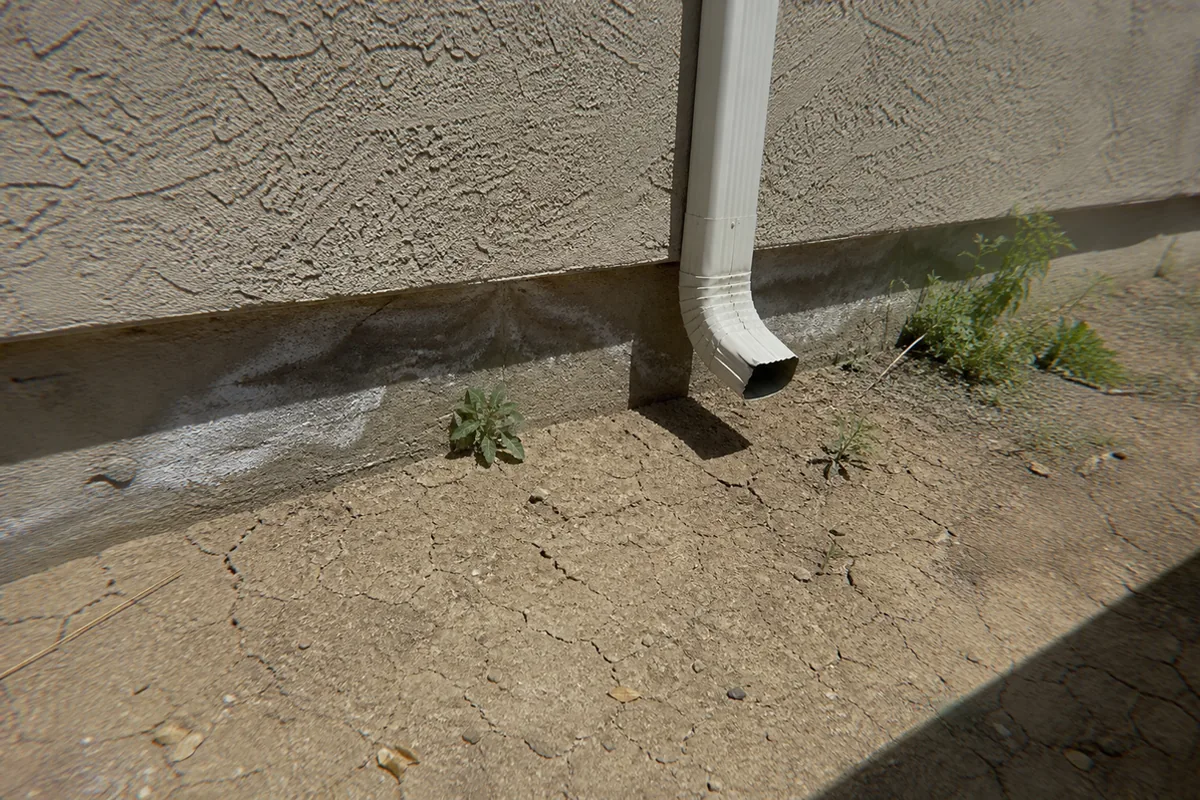
Expansive clay compounds all of it. Clay soils in the region swell as they absorb water in the wet season and shrink as they dry in the long summer, and that seasonal swell-and-shrink cycle pushes and pulls on slab foundations. Add a leaking irrigation line, a downspout dumping against the foundation, or grading that slopes toward the house, and the moisture swing gets worse right where it matters. The house telegraphs the movement through the stucco, the drywall, the doors, and the flatwork, which is why those finishes are where an inspection starts reading the story.
What agents should tell every buyer
When a buyer is touring Irvine homes, give them these points before they write.
- A master-planned home built on a graded pad is only as stable as the fill and the soil under it. Ask whether the home sits on cut, fill, or a transition, and whether there is any grading or geotechnical documentation.
- Stucco and drywall cracks are common and often cosmetic, but they can also be the visible sign of differential settlement. The pattern and the related clues decide which.
- Moisture drives expansive-soil movement. Gutters, downspouts, drainage, and irrigation that keep water away from the foundation are part of the home’s long-term stability.
- If the inspection flags a settlement pattern, a geotechnical or structural engineer is the right next call, not a cosmetic patch.
- Newer construction is not immune. Builder-grade grading and drainage issues surface after the warranty, and the first few wet seasons reveal a lot.
- The home inspection documents the signs and the drainage. An engineer evaluates the soil and the foundation. Line them up.
A buyer who hears this from you reads a few stucco cracks calmly and knows when to bring in the specialist.
Red flags during showings
You can spot the pattern from the yard and the walls. Watch for these.
- Stair-step cracks in stucco or block, especially at the corners of windows, doors, and the garage opening.
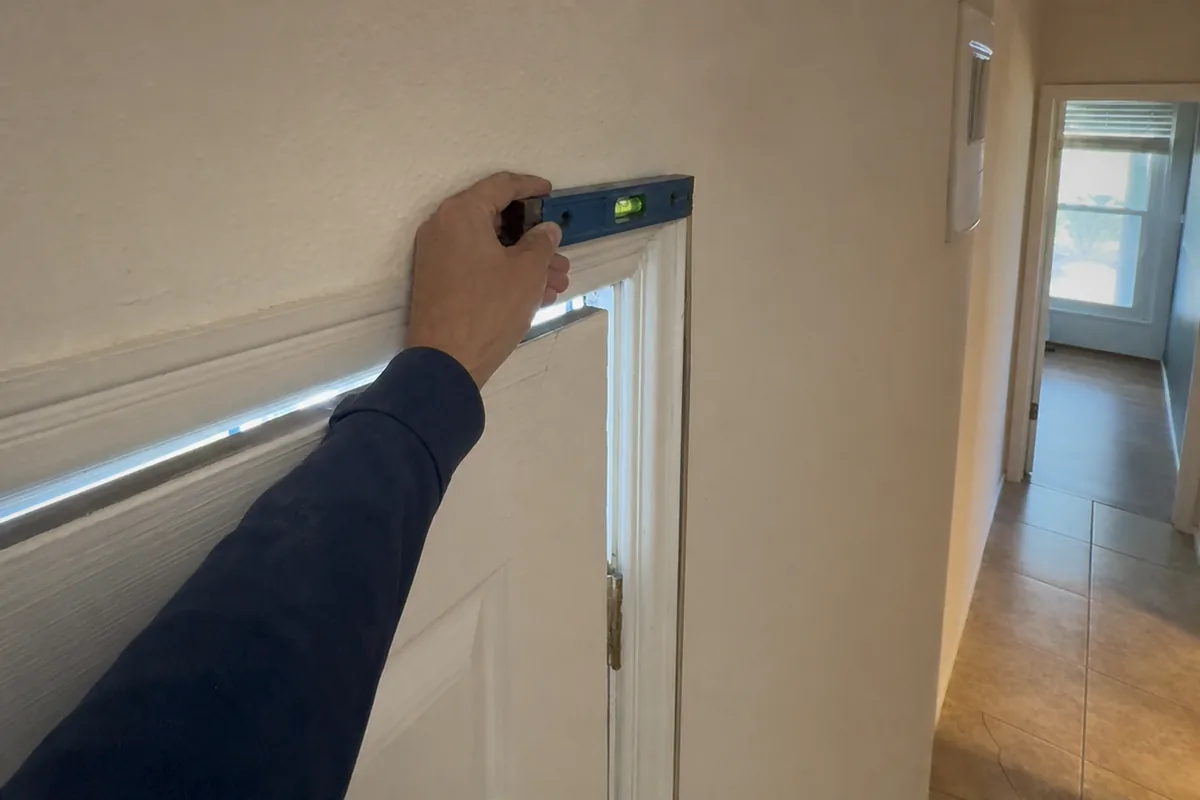
- Doors and windows that stick, have been planed, or show uneven gaps at the top or bottom.
- Cracks in the slab or flatwork that run in a consistent line, or driveway and patio sections that have tilted.
- Interior drywall cracks radiating from door and window corners, or tile grout cracked in a straight run.
- Grading that slopes toward the house, downspouts discharging at the foundation, or chronically wet soil against the wall.
- Separation between the house and attached patios, steps, or walkways.
If we see a pattern rather than a one-off, we document it and recommend a geotechnical or structural engineer before the contingency clears.
The negotiation playbook
When settlement or soil movement surfaces, the deal usually moves one of a few ways.
The first path is the cosmetic-confirmation. An engineer or the inspection concludes the cracks are ordinary shrinkage and drainage is sound. The buyer proceeds, and the seller may do minor cosmetic repairs. This is the most common outcome, and the value of the inspection here is preventing an overreaction to normal cracks.
The second path is the drainage-first fix. The movement is moisture-driven, and the real remedy is correcting grading, gutters, downspouts, and irrigation so the soil stops swinging so hard. This is often modest money with real payoff. Push for it when the clues point to water management rather than structural failure.
The third path is the engineered repair with a scope. The engineer confirms differential settlement that needs stabilization, and the fix ranges from targeted underpinning to more involved work. Here the negotiation is a real number, and it should come from the engineer’s written scope, not a guess. A credit or a seller repair both work, sized to that scope. The same measure-first approach applies to old grove land settlement in Corona and to expansive clay foundation issues further into the Inland Empire. Coastal Orange County lots carry a related but distinct version of this conversation, covered in our Huntington Beach liquefaction and methane guide.
The fourth path is walk-away. Occasionally the movement is significant, the repair is extensive, and the buyer decides it is more than they signed up for. That is a legitimate call. We document what we found and when, and the decision belongs to the buyer and their engineer.
How the inspection actually catches it
A home inspection is not a geotechnical study, and we are clear about that. What we do on an Irvine home is read the whole pattern that points to soil and foundation movement: the stucco and drywall cracks and where they concentrate, the doors and windows and how they fit, the slab and flatwork, the separations at attached structures, and critically, the drainage and grading that drive expansive-soil movement in the first place. One crack is a note. A consistent pattern across several of those items is a reason to escalate.
We use thermal imaging to find the moisture behind walls and at the slab edge that often accompanies drainage problems, and our guide on why infrared scanning matters covers how that works. What we do not do is core the slab, model the soil, or certify the foundation. That is the geotechnical and structural engineer’s role, and we point the buyer there with a clear description of what we saw. If we see something worth flagging, it goes in the report.
Quick FAQ
Are stucco cracks in an Irvine home a dealbreaker? Usually not. Many are ordinary shrinkage cracks in a stucco-and-frame home. The concern is when the cracks form a pattern, stair-stepping at openings and pairing with sticking doors, tilted flatwork, and drainage problems, which can indicate differential settlement. The inspection reads the pattern and tells you which you are looking at.
What is differential settlement? It is when different parts of a home settle by different amounts, often because the engineered fill under the pad was placed or compacted unevenly, or the home straddles a cut-fill transition. The uneven movement is what cracks finishes and racks doors, as opposed to the whole house settling uniformly.
Does expansive soil really matter in Irvine? Yes. Clay soils in the area swell when wet and shrink when dry, and that seasonal cycle stresses slab foundations. Moisture control, grading, gutters, downspouts, and irrigation, is the practical lever a homeowner has over it.
Is new construction safe from this? Newer homes are not immune. Builder-grade grading and drainage issues surface after the warranty period, and the first few wet seasons reveal how the pad and drainage were built. A new home still deserves an independent inspection, the case we make in our new construction inspection guide.
Who evaluates it if the inspection flags it? A geotechnical engineer for the soil and a structural engineer for the foundation. We document the signs and the drainage and refer the buyer to the right specialist, who can core, test, and specify a fix if one is needed.
The honest summary for agents
Irvine is one of the best-planned places to buy a home in California, and even here the pad and the soil under a beautiful house are part of what a buyer is purchasing. Expansive clay and engineered fill move, and the movement shows up in the stucco, the doors, and the flatwork. Most of the time the cracks are cosmetic and the fix is drainage. Sometimes it is real differential settlement that needs an engineer. The job is to tell the difference before the contingency clears, not after.
We will read the whole pattern honestly, tell your buyer what the house is actually doing, and point them to the right engineer when it matters. That is the job.
Schedule an Irvine inspection or see our full inspection scope before you book. Want to see what the finished report looks like? Here is a sample inspection report. Common questions are answered in the FAQ. For the same crack-reading approach on former farmland, read our Corona old grove settlement guide, and see why infrared scanning matters on any home with a moisture question.