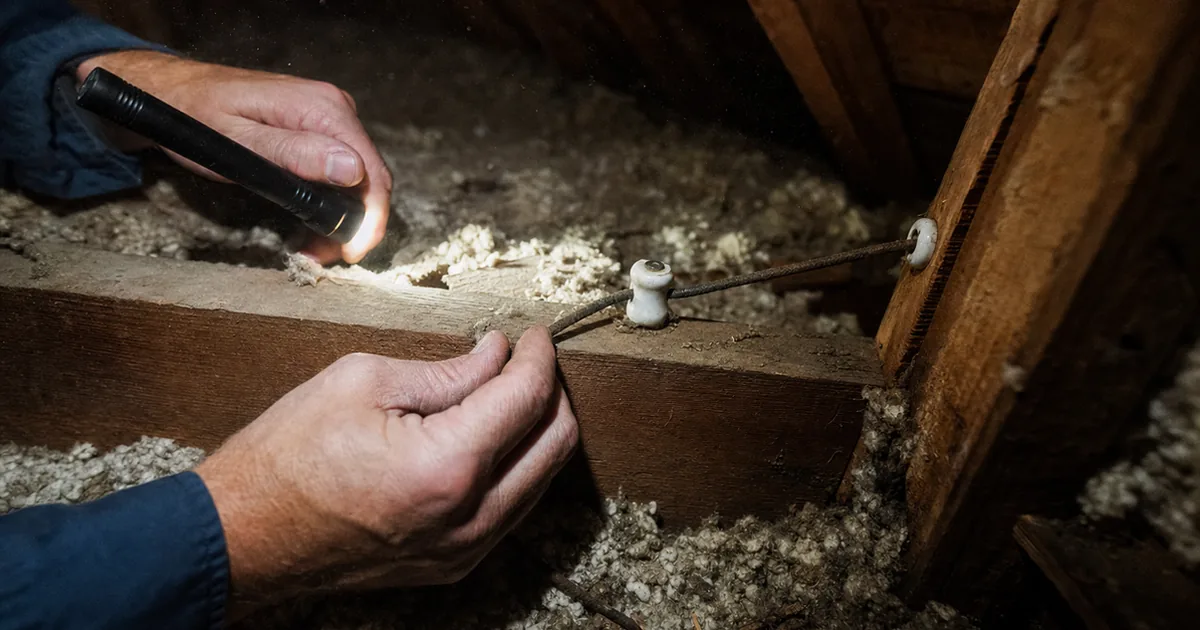
In a Bluff Park Craftsman that had been lovingly restored, the trouble was in the two places nobody stages. Up in the attic, ceramic knobs and tubes still carried live circuits between the joists. Down under the house, the supply lines were galvanized steel, rusting from the inside, and the water pressure at the far bathroom told the story before we ever opened a wall.
This is the historic-home tradeoff in Long Beach. The character districts, Bluff Park, California Heights, Rose Park, Carroll Park, hold some of the most beautiful early-1900s and 1920s homes in the region. They also hold the original wiring and plumbing behind those charming walls. A buyer falls for the built-ins and the crown molding. The systems that run the house are a century old.
This guide is for the agent who lists or sells in those districts. Here is what knob-and-tube wiring and galvanized pipe actually are, why they matter for insurance and escrow, and how to keep a historic-home deal on track.
Why this matters for the agent
Here is what is at stake. These two systems are not just old, they touch things that can stop a closing. Knob-and-tube wiring is an ungrounded system with no third wire, and it was never designed for the electrical load a modern household puts on it. Many insurers will not write a standard policy on a home with active knob-and-tube, or they require it to be removed within a set window after purchase. No insurance means no loan, which means no closing.
Galvanized supply pipe is a slower problem, but it is a real one. The pipe corrodes from the inside, the rust narrows the passage, and water quality and pressure degrade over time. On top of that, older galvanized pipe can contribute lead and other metals to the water. For your buyer, that is a health and a plumbing question rolled together. An agent who understands both systems can set expectations at the listing instead of scrambling in escrow. We have seen historic-home deals fall apart at the insurance step. It is avoidable.
Knob-and-tube wiring, in plain terms
Knob-and-tube was the standard wiring method into roughly the 1940s. Hot and neutral conductors run separately, held away from the framing by ceramic knobs and passed through joists in ceramic tubes. It can still be safe when it is undisturbed and lightly loaded, and it is common to find original runs in the attics and walls of Long Beach’s older districts.
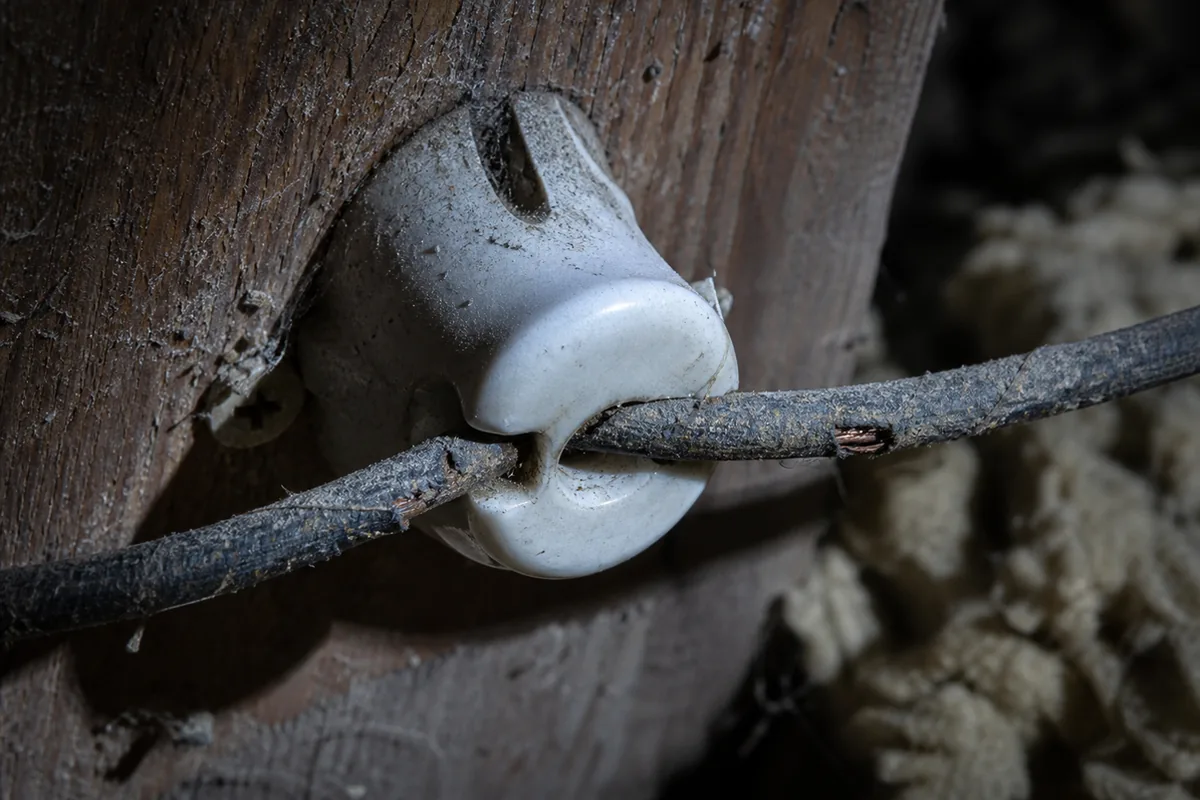
The problems come from age and use. There is no ground wire, so there is no grounding for modern three-prong appliances and electronics. The original insulation on the conductors becomes brittle over decades. And the biggest real-world issue is overloading, because a house wired for a 1925 electrical load is now running air conditioning, a modern kitchen, home offices, and everything else. Buried insulation over knob-and-tube makes it worse by trapping heat. When we find active knob-and-tube, we document where it is and recommend an electrician evaluate the scope, because the insurance clock may start the day the buyer takes title. The same wiring turns up in older homes across the region, as our Coronado knob-and-tube case lays out in detail.
Galvanized supply pipe, in plain terms
Galvanized steel pipe was the common water supply material before copper took over around the 1960s. The steel is coated in zinc to resist corrosion, but that protection does not last forever. Over the decades the pipe rusts from the inside out, scale builds up on the interior walls, and the effective diameter shrinks. The first thing a buyer notices is weak pressure, especially at the fixtures farthest from the main.
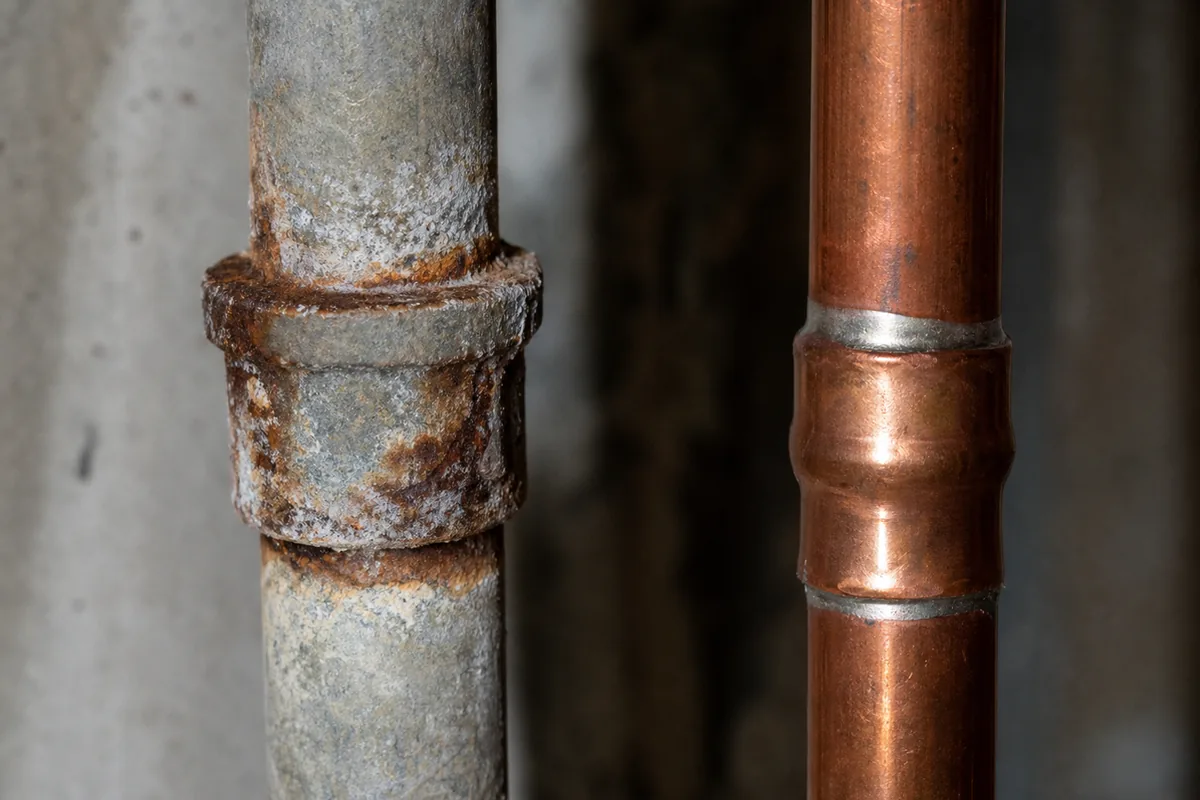
There are two more issues worth naming. The zinc coating on old galvanized pipe often contained impurities, and corroded galvanized pipe has been shown to release lead and other metals into the water, which is a drinking-water concern. And galvanized pipe is sometimes used as part of the home’s electrical grounding path, so replacing sections has to account for grounding and bonding. When we find galvanized supply lines, we document the condition we can see, check functional flow at the fixtures, and flag it for a plumber to evaluate for replacement. Pasadena’s pre-1940 homes show the same pattern, which our galvanized and cast iron plumbing guide covers, and later tract homes swap one aging pipe problem for another with polybutylene supply lines.
What agents should tell every buyer
When a buyer is touring historic Long Beach homes, give them these points before they write.
- The restoration and the systems are separate questions. A gorgeous Craftsman can still have original wiring in the attic and galvanized pipe under the floor. Ask when the electrical and plumbing were actually updated.
- Active knob-and-tube can affect insurance. Encourage the buyer to talk to their insurer early, because some carriers require removal within a set window after purchase.
- Galvanized supply pipe is common in pre-1960 homes and tends to mean low pressure, water-quality questions, and an eventual repipe. Budget for it.
- Both are permitted jobs, so a rewire or a repipe takes coordination and time, not just money.
- Buried insulation over knob-and-tube is a specific hazard. If the attic has been insulated over old wiring, that is worth a closer look.
- The home inspection identifies and flags both systems. An electrician and a plumber confirm the scope and cost. Line them up. Our what every inspection includes page shows how far we go on both.
A buyer who hears this from you understands the tradeoff of buying character, and they trust you for walking them through it. In a pre-1978 home, the same era often brings lead paint into the conversation too.
Red flags during showings
You can spot the signs without opening a wall. Watch for these.
- Two-prong ungrounded outlets throughout the home, a classic sign of original wiring.
- Ceramic knobs or tubes visible in the attic or basement, with conductors running between them.
- Weak water pressure, especially at upstairs or far-end fixtures.
- Rusty or discolored water on first draw, or staining in tubs and sinks.
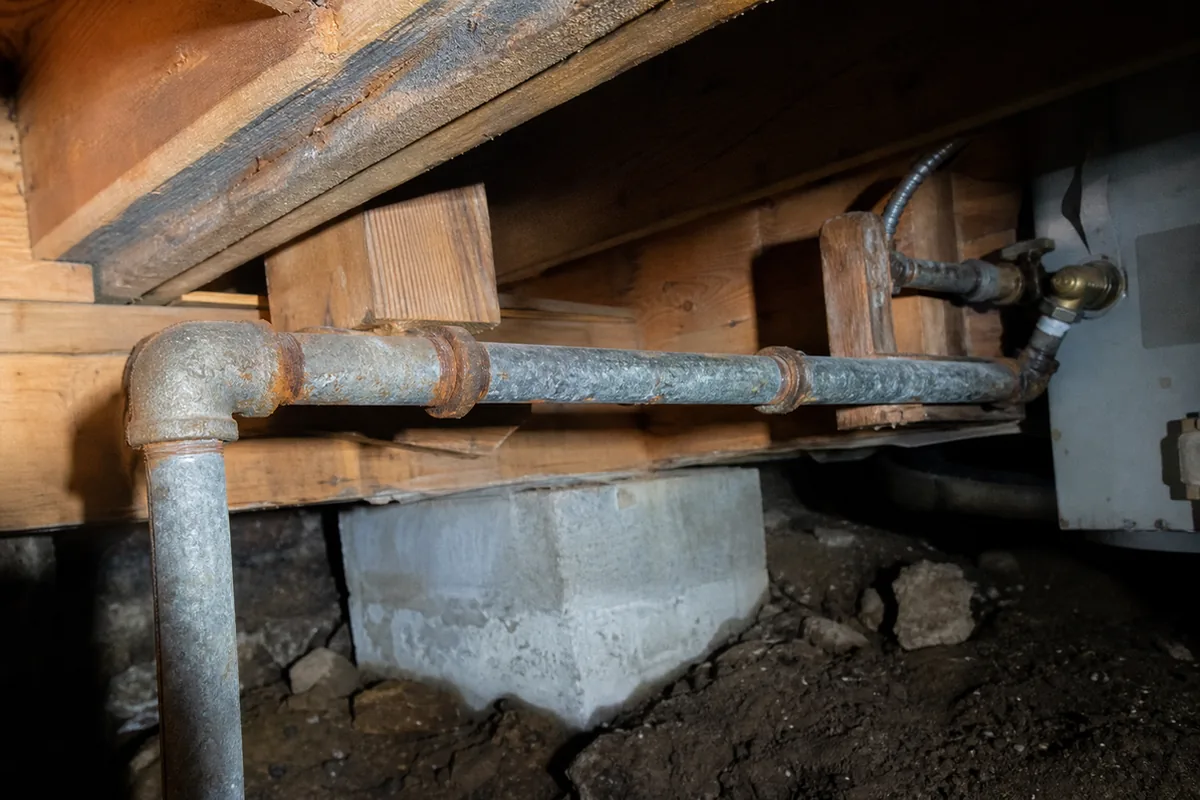
- Exposed gray steel supply pipe with rust at the threaded joints under the house or at the water heater.
- Fresh insulation blown over an attic that clearly predates it, which can bury old wiring.
If we see these, we document them and recommend the right specialist before the contingency clears.
The negotiation playbook
When old wiring or pipe surfaces on a historic-home deal, the deal tends to move one of a few ways.
The first path is seller-remediates. The seller has the knob-and-tube removed or the home repiped, permitted and signed off, before closing. This is cleanest when insurance is driving the timeline, because it clears the precondition outright. Push for it when the buyer’s carrier is signaling they will require the work anyway.
The second path is a credit with real bids. The buyer takes a closing credit sized to a licensed electrician’s and plumber’s written estimates and does the work after closing. This works when the buyer is ready to manage the projects. Size the credit to the bids, and expect a rewire or repipe in a historic home to uncover a few surprises once walls are opened.
The third path is the insurance-driven timeline. If the carrier will not bind coverage with active knob-and-tube, the deal is now a scheduling problem. Either the seller completes the removal so the buyer can insure and close, or the parties extend. We do not pretend a credit resolves a carrier’s precondition.
The fourth path is walk-away. Sometimes the wiring and the plumbing both need full replacement, the foundation needs work too, and the total scope outgrows the buyer’s plan. A buyer is allowed to decide a particular historic home is more project than they want. We document what we found and when, and the call is theirs and their specialists’.
How the inspection actually catches it
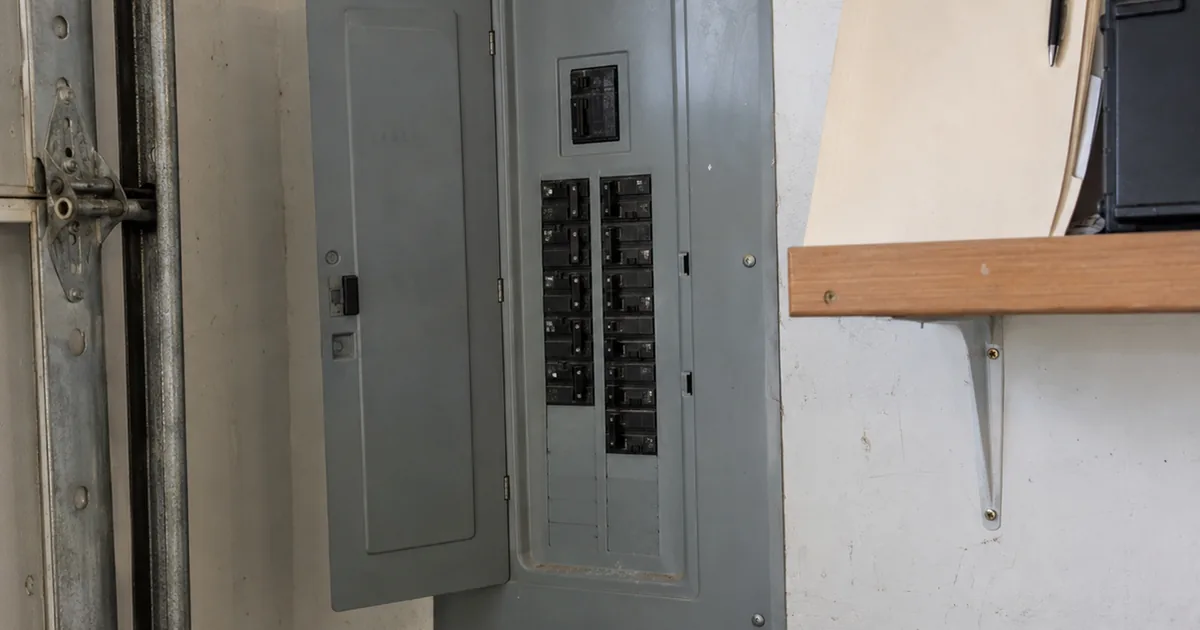
Historic homes are where a careful inspection earns its keep, and we plan for the extra time. In the attic and any accessible crawlspace or basement, we look for knob-and-tube, document where it is active, and note buried insulation over old wiring. We open the panel, check grounding, and flag two-prong ungrounded circuits. On the plumbing side, we identify galvanized supply lines where visible, run the fixtures to check functional flow, and look at the water heater connections and the condition at the joints.
We use thermal imaging to find moisture from failing plumbing and to catch electrical hot spots that point to overloaded old circuits, and you can read more in our guide on why infrared scanning matters in California homes. What we do not do is rewire or repipe. We document what is there and hand the buyer a clear picture and the right specialists to call. If we see something worth flagging, it goes in the report, and our how to read a home inspection report guide helps the buyer put it in order.
Schedule a Long Beach inspection →
Quick FAQ
Can you insure a home with knob-and-tube wiring? Sometimes, but not always on standard terms. Many carriers will not write a standard policy on a home with active knob-and-tube, or they require it to be removed within a set period after purchase. Because a financed buyer needs insurance to close, this is worth raising with the insurer before the offer, not after the inspection.
Is knob-and-tube always unsafe? Not automatically. Undisturbed, lightly loaded knob-and-tube can be functional. The concerns are the lack of a ground, brittle old insulation, overloading from modern demand, and buried insulation trapping heat. We document what is active and recommend an electrician evaluate the scope.
Does galvanized pipe need to be replaced right away? Not always immediately, but it is a known end-of-life material. It corrodes internally, cuts pressure, and can affect water quality, including lead. Many buyers of pre-1960 homes plan a repipe. We flag the condition so a plumber can advise on timing. Our inspection FAQ covers how these findings appear in the report.
How can I tell if a home has these systems? Two-prong outlets and visible knobs and tubes in the attic point to knob-and-tube. Low pressure and gray rusted steel pipe point to galvanized. We confirm both during the inspection and document where they are, and the inspection report lays out each finding with photos.
Are these dealbreakers? Rarely on their own. They are common in Long Beach’s historic districts, and buyers take them on all the time with eyes open. The goal is to price the work off real bids and manage the insurance timeline, not to fear the house.
The honest summary
Long Beach’s historic districts are worth what buyers pay for the character, but the character comes with original systems behind the walls. Knob-and-tube can gate the insurance, and galvanized pipe is a slow but certain repipe. Neither is a reason to avoid a beautiful old Craftsman. Both are reasons to open the conversation at the listing, get an electrician and a plumber to scope the work, and set the buyer’s expectations before escrow, not during it.
We will inspect the attic and the under-floor honestly, tell your buyer exactly what is there, and point them to the right specialists. That is the job. We also cover nearby Torrance, Huntington Beach, and the broader Los Angeles market.
See what every inspection includes → · Explore Long Beach home inspections →