Attic Heat in Woodland Hills: An Agent’s Guide
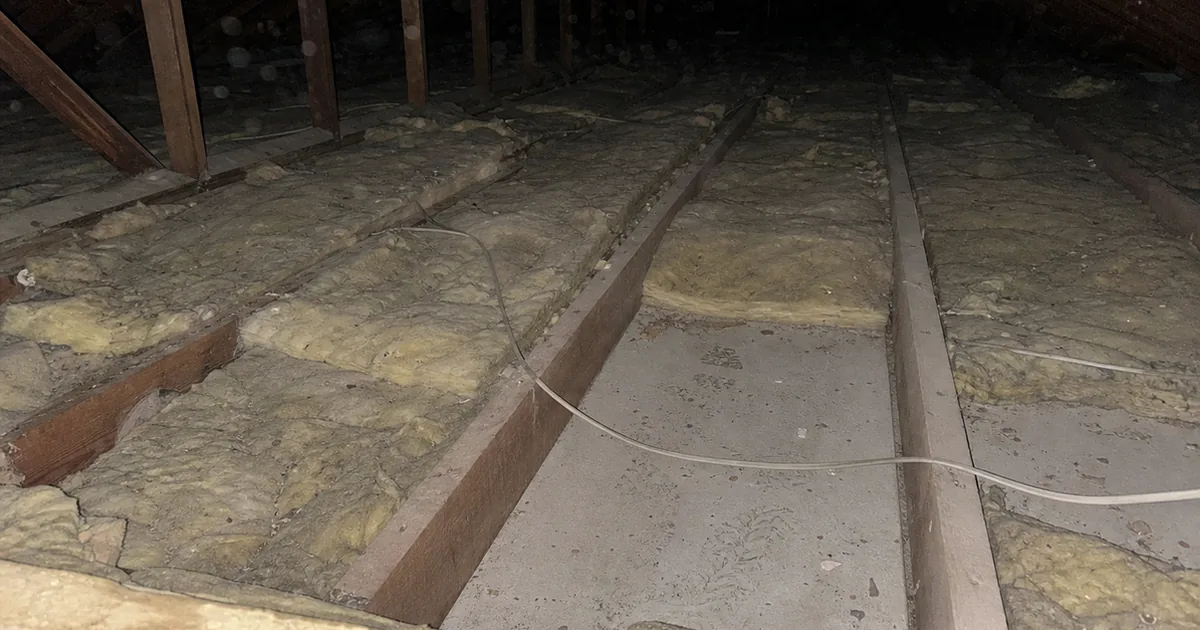
The buyers loved the house. Remodeled kitchen, new floors, fresh paint, and a five-year-old air conditioner that the listing made a point of mentioning. Their only complaint, after two visits, was that the back bedrooms never seemed to cool down. The answer was over their heads the whole time. In the attic, the insulation was a thin, uneven layer that had been pushed around and never replaced, with bare drywall showing between joists in places. Every soffit vent along one side was packed solid with batts, so no outside air could get in. And the bathroom exhaust fan was blowing straight into the attic instead of outside. The AC was not undersized. It was fighting an attic that was working against it.
That is the Woodland Hills problem in one house, and it is worth an agent’s attention because of where Woodland Hills sits. This is the hottest corner of Los Angeles County. The weather station at Pierce College regularly posts the highest temperatures in the county and recorded 121 degrees in September 2020, an all-time county record. On a day like that, an attic with poor insulation and no working ventilation can run well past 140 degrees, and that heat pushes down through the ceiling all afternoon and into the night. Everything below it pays: the cooling bill, the life of the compressor, the comfort of the back bedrooms, and even the shingles on the roof deck above.
This guide is for the agent working Woodland Hills and the West Valley, including nearby Winnetka and Chatsworth, where the same post-war attics carry the same heat load. Here is what actually goes wrong up there, why the attic quietly decides how a house performs, and how to keep it from ambushing your deal.
Why this matters for the agent
Here is what is at stake. The attic is the least-visited space in the house and the one that does the most to decide how the home feels and what it costs to run. Buyers judge cooling by the air conditioner, so a seller can put in a new condenser and still hand over a house that cannot hold temperature, because the real problem is above the ceiling. When your buyer moves in during a valley August and the upstairs will not drop below eighty, they do not remember that the AC was new. They remember that nobody told them.
For your transaction, attic findings are usually not deal-killers, and that is exactly why they get handled badly. Insulation and ventilation corrections are among the cheapest meaningful improvements in a house, far cheaper than the HVAC replacement a buyer might otherwise be talked into. But a report that lists thin insulation, blocked soffit vents, and a bath fan dumping into the attic reads like a house that was never maintained, and it can spook a buyer out of proportion to the cost. The agent who understands what those findings mean, and what they cost, reframes a scary-looking page into a short and affordable list. We document the attic and flag what an insulation or HVAC contractor should correct. The energy-code questions belong with those trades.
Why the attic decides how a Woodland Hills house performs
An attic in this climate is a heat battery sitting on top of the living space. Sun hits the roof, the roof deck heats up, and the air in the attic climbs far above the outdoor temperature. Two things stand between that heat and the bedrooms. The first is insulation, which slows the heat moving down through the ceiling. The second is ventilation, which lets the superheated air escape and pulls cooler outside air in, so the attic never gets as hot in the first place. They work as a pair. Good insulation with no ventilation still bakes. Good ventilation over thin insulation still lets heat through.
When both are weak, the consequences stack up and none of them look like an attic problem from inside the house. The air conditioner runs longer cycles and never quite catches up in the afternoon, which drives the bill and wears the compressor years early. Rooms furthest from the air handler stay hot. Ductwork running through a 140-degree attic loses cooling capacity through every leak and thin spot before the air ever reaches a register. And the roof itself ages faster, because an unventilated deck cooks the shingles from underneath as well as on top, the same reason a re-covered roof can hide multiple stacked layers sooner than its warranty assumes. That last one is why an attic finding and a roof finding so often show up in the same report. None of this makes a Woodland Hills house a bad buy. It means the attic has to be read as a system, and in this heat it deserves more than a glance from the hatch.
What actually goes wrong up there
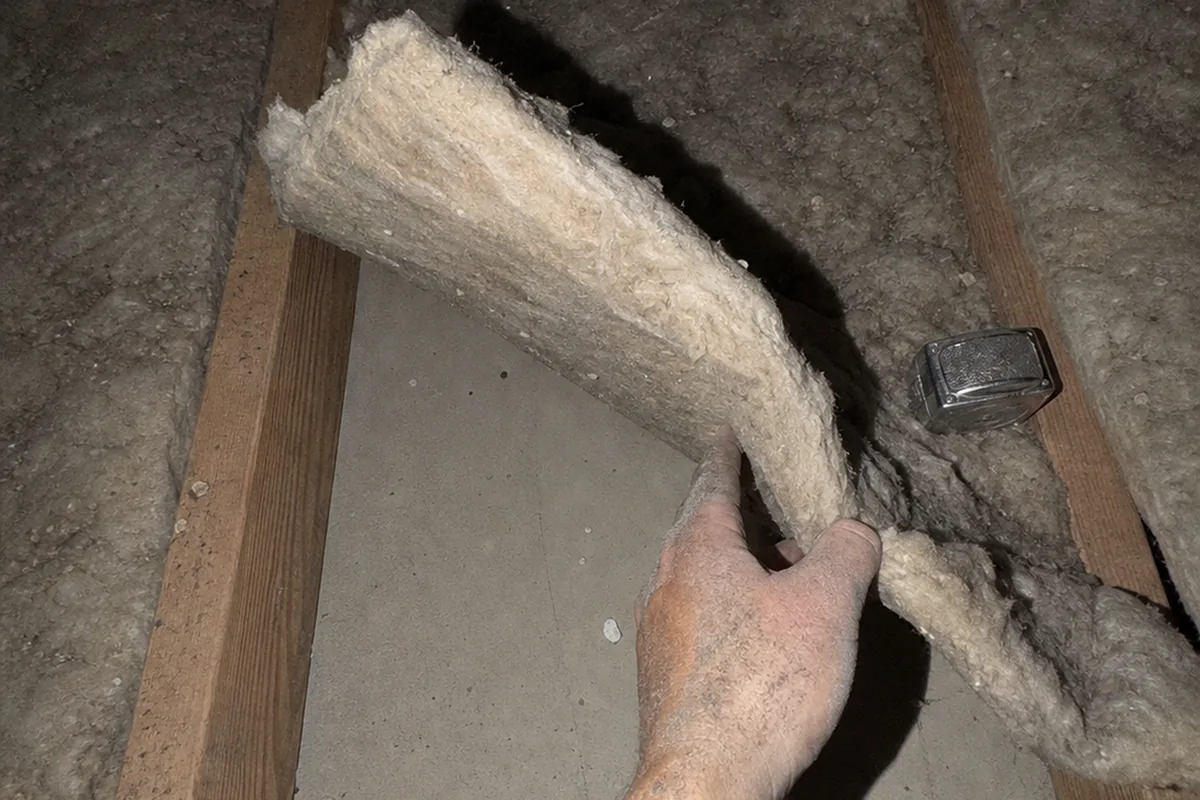
The failures we find in West Valley attics are consistent, and most of them are cheap to fix. Insulation is the first. We see original batts from decades ago that have settled, compressed, and been shoved aside by anyone who ever ran a wire or a duct, leaving bare ceiling drywall exposed between joists. We see coverage that stops short at the eaves, which is where heat gets in most easily. We see insulation piled against or over recessed can lights that are not rated for contact, which is a fire concern, not just an efficiency one. Federal guidance for a climate like this puts recommended attic insulation well above what a lot of these older homes still have, and many West Valley attics have simply never been topped up.
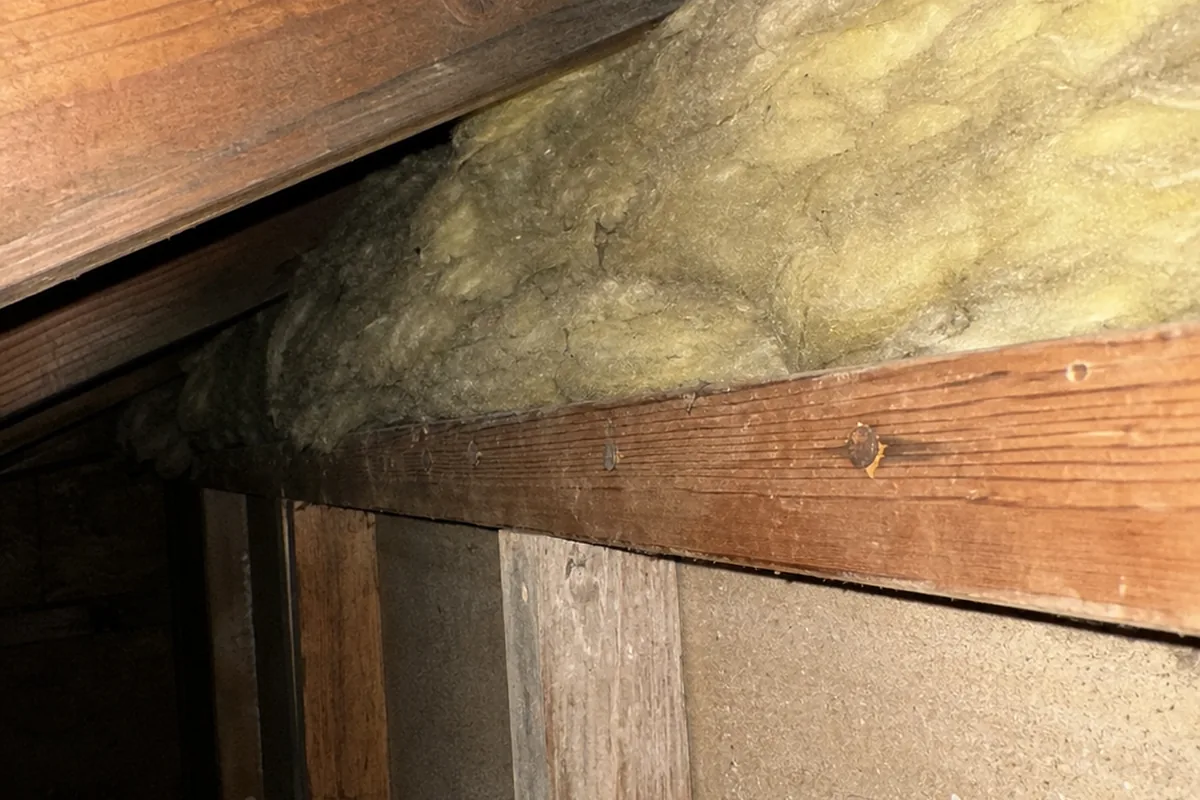
Ventilation is the second, and it fails in ways that are almost invisible. The most common is intake starvation. Insulation gets blown or stuffed right into the eaves and seals off the soffit vents, so the attic has exhaust up high but no way to draw air in, and the airflow stops. Sometimes there were never enough vents to begin with. Sometimes a previous owner added a powered fan or a turbine alongside a ridge vent, and the two fight each other, pulling air from the wrong place instead of from outside. Building code sets a required amount of net free ventilating area based on the attic’s size, and a balanced intake-and-exhaust arrangement is what actually moves air.
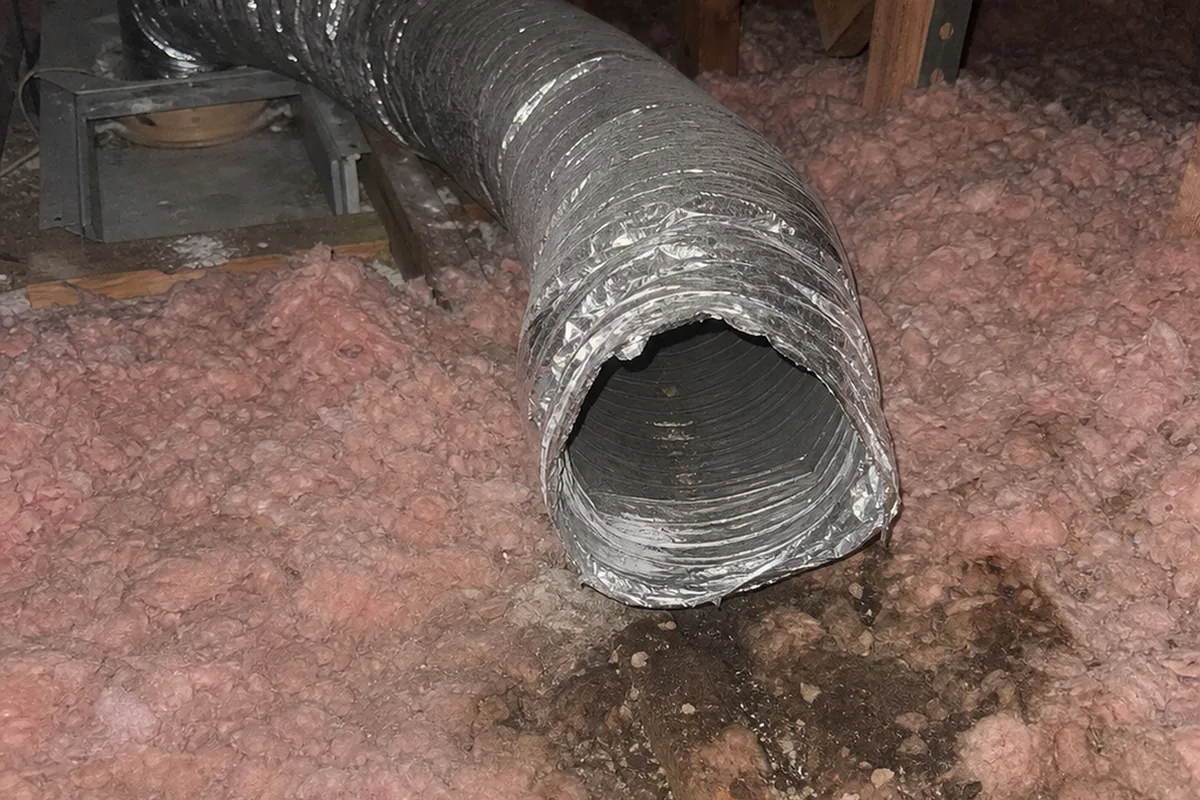
The third is moisture where you do not expect it, in a dry climate. Bathroom and laundry exhaust fans are supposed to terminate outdoors. We regularly find them dumping into the attic, or connected to a duct that has fallen off, so every hot shower vents humid air into the insulation and onto the roof sheathing. In a hot attic that shows up as stained sheathing, damp insulation, and eventually mold and rot. It is a five-minute find and it is one of the most consequential things in the report.
What agents should tell every buyer
When a buyer is under contract in Woodland Hills, give them these points before the inspection.
- Judge cooling by the attic, not just the air conditioner. A new AC on a bad attic still gives you hot back bedrooms in August.
- Ask how old the insulation is and whether it has ever been topped up. Original settled batts in a 1960s or 1970s home are common and are usually well below what this climate calls for.
- Ask whether the soffit vents are clear. Insulation packed into the eaves is the single most common way an attic loses its airflow.
- Ask where the bathroom fans actually vent. Into the attic is a moisture and mold problem, and it is a cheap fix.
- Understand the cost frame. Adding insulation, clearing intake vents, adding baffles, and rerouting a bath fan are inexpensive next to replacing an HVAC system.
- Expect the roof and the attic to be related. A cooking, unventilated deck shortens the life of the roof above it, so read those two findings together.
A buyer who hears this from you sees the attic as the lever it is, and they spend their money in the right order.
Red flags during showings
You can catch most of this without setting foot on a ladder. Watch for these in Woodland Hills homes.
- Rooms far from the air handler that stay noticeably warmer, especially on the west and south sides in the afternoon.
- An air conditioner that is running continuously on a hot day and still not holding the thermostat setting.
- No visible soffit or eave vents along the underside of the overhangs, or vents that look painted over or stuffed.
- A brand-new condenser on an otherwise deferred-maintenance house, which sometimes means the last owner treated a symptom.
- Ceiling stains or a musty smell in a bathroom, which can point to a fan venting into the attic rather than outside.
- Popping open the attic hatch and seeing joists standing proud of the insulation, which means the coverage is thin.
If we see these, we document them and point the buyer to an insulation or HVAC contractor.
The negotiation playbook
When attic findings surface in Woodland Hills, the deal usually moves one of a few ways.
The first path is seller-corrects-the-cheap-safety-items. Rerouting a bath fan to vent outdoors, clearing insulation off recessed lights that are not rated for contact, and pulling batts out of the soffit vents are small jobs with real consequences. A cooperative seller will often just do them, and they belong at the top of the list because two of the three are safety and moisture issues rather than comfort ones.
The second path is a credit for the insulation and ventilation work. Topping up insulation to a proper depth, installing baffles at the eaves so the intake stays open, and adding vent area is a contractor’s bid, and it is usually modest. Take the credit, do the work in the first month, and the buyer gets the benefit through the first summer they own the house.
The third path is sequence-it-before-the-HVAC-conversation. If a buyer is being told the air conditioner needs replacing, and the attic is thin and unvented, the honest advice is to fix the attic first and then size the system. A contractor who replaces equipment without addressing the attic is selling a bigger unit to fight a problem that could have been removed. We are not the ones who size the system, but we will say plainly when the attic is the thing driving the load.
The fourth path is a bigger repair when moisture got in. If a bath fan has been venting into the attic for years and the sheathing is stained or soft, that is no longer an insulation conversation. It becomes a moisture and possibly a roof-deck repair, priced from a contractor’s bid. We document what we see and tell the buyer when the finding has outgrown a simple fix.
How the inspection actually catches it
The attic is where a thorough inspection separates itself, and it is also the part a rushed one skips. We get into the attic where it is safe to enter, rather than looking in from the hatch, because almost none of these findings are visible from the opening. We read insulation depth and coverage across the whole attic, not just at the entry, and we note where it has been disturbed, compressed, or stopped short at the eaves.
 We look at the eaves specifically to see whether the intake vents are open or buried, and we look at what exhaust exists up high and whether the arrangement is balanced. We trace every bath and laundry fan duct to see where it actually goes.
Heat is where our tools earn their place. Thermal imaging from inside the house shows the ceiling as it really performs, and gaps, thin spots, and missing insulation read clearly as warm areas where the attic is pushing through, which is far more convincing to a buyer than a description. Our guide on infrared scanning explains what those scans are actually showing. We also note whether ductwork in the attic is intact and insulated, since a leaking duct in that environment is throwing away cooling before it arrives. What we do not do is calculate an energy-code compliance number or design a ventilation system. We document what is there, tell the buyer plainly where it falls short, and route them to the trade that fixes it. If we see something worth flagging, it goes in the report.
Schedule a Woodland Hills inspection →
Quick FAQ
Is Woodland Hills really that much hotter than the rest of LA? Yes. The Pierce College station in Woodland Hills routinely records the highest temperatures in Los Angeles County and hit 121 degrees in September 2020, an all-time county record. That is why the attic matters more here than it does closer to the coast, and why an attic that would be merely inefficient elsewhere becomes a comfort and equipment problem in the West Valley.
How much insulation should the attic have? More than most older West Valley attics currently do. Federal guidance for this climate recommends a substantial depth of attic insulation, and a lot of 1960s and 1970s homes still have settled original batts well below it. The practical test is whether the insulation is even, deep enough that the joists are buried, and continuous out to the eaves. An insulation contractor can price bringing it up.
What does a blocked soffit vent actually do? It cuts off the attic’s intake air. Ventilation only works when air can come in low at the eaves and leave high, so when insulation is packed into the soffits the airflow stops even if there are vents up top. The attic then holds its heat. Baffles at the eaves keep the intake path open and are inexpensive to install.
My bathroom fan vents into the attic. Is that a real problem? Yes, and it should be corrected. Bath and laundry exhaust needs to terminate outdoors. Venting humid air into the attic wets the insulation and the roof sheathing, and over time that means staining, mold, and rot. It is one of the cheaper items on a typical report and one of the more damaging ones if it is left alone.
Will fixing the attic mean I do not need a new air conditioner? Sometimes, and it is worth finding out in that order. An attic that is thin and unvented raises the cooling load the equipment has to fight, so an AC that seems undersized may simply be losing an unfair fight. Fix the attic first, then let an HVAC contractor size the system against the real load. We do not size equipment, but we will tell you plainly when the attic is driving the problem.
The honest summary
Woodland Hills is the hottest place in Los Angeles County, and the attic is where that heat is either stopped or let in. Thin and disturbed insulation, soffit vents packed shut, and a bath fan blowing into the attic are the three findings we see over and over, and together they explain more hot back bedrooms and short-lived air conditioners than any equipment defect does. They are also, mercifully, cheap to fix compared to what buyers get talked into instead.
We will get into the attic rather than glance in from the hatch, read the insulation and the airflow honestly, show your buyer on a thermal scan what the ceiling is actually doing, and point them to the trade that fixes it. Handle the attic first and the rest of the house gets easier. That is the job.
Related reading
- Cut Rafters and Truss Modifications in North Hollywood. The structural side of the attic, what remodels do to the framing rather than the insulation.
- Why dryer vents are a fire risk in compact post-war homes. Another hidden mechanical hazard in older homes, the dryer exhaust run that collects lint behind walls.
- Palm Springs Evaporative Cooler Inspection Guide. A different extreme-heat mechanical system, a roof-mounted swamp cooler instead of the attic thermal envelope covered here.
- Central Air Conditioning Defects in Perris. The cooling equipment itself, distinct from the attic insulation and ventilation covered here.
- HVAC Condensation in Solana Beach. How poor attic ventilation contributes to condensation on cold ductwork, a companion mechanism that keeps the deeper thermal-envelope discussion here.
- Unvented Gas Fireplaces and Heaters in Chatsworth. A nearby northwest Valley guide on supplemental combustion appliances, a different mechanism from the thermal envelope covered here.
See what every inspection includes → · Read our FAQ → · Explore Woodland Hills home inspections →