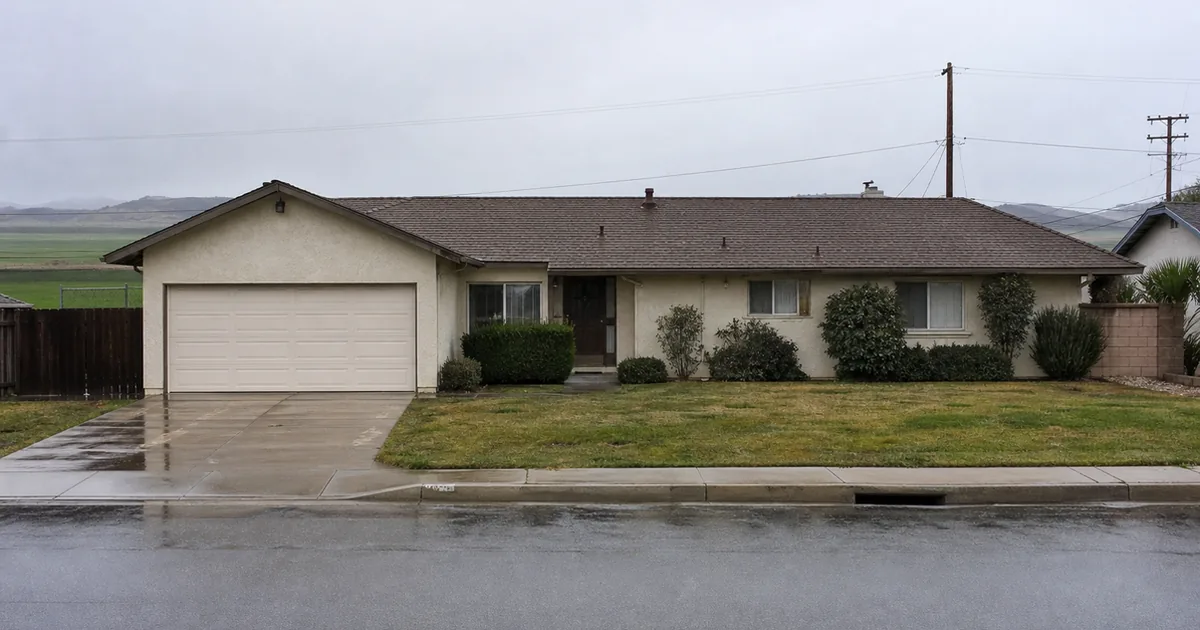
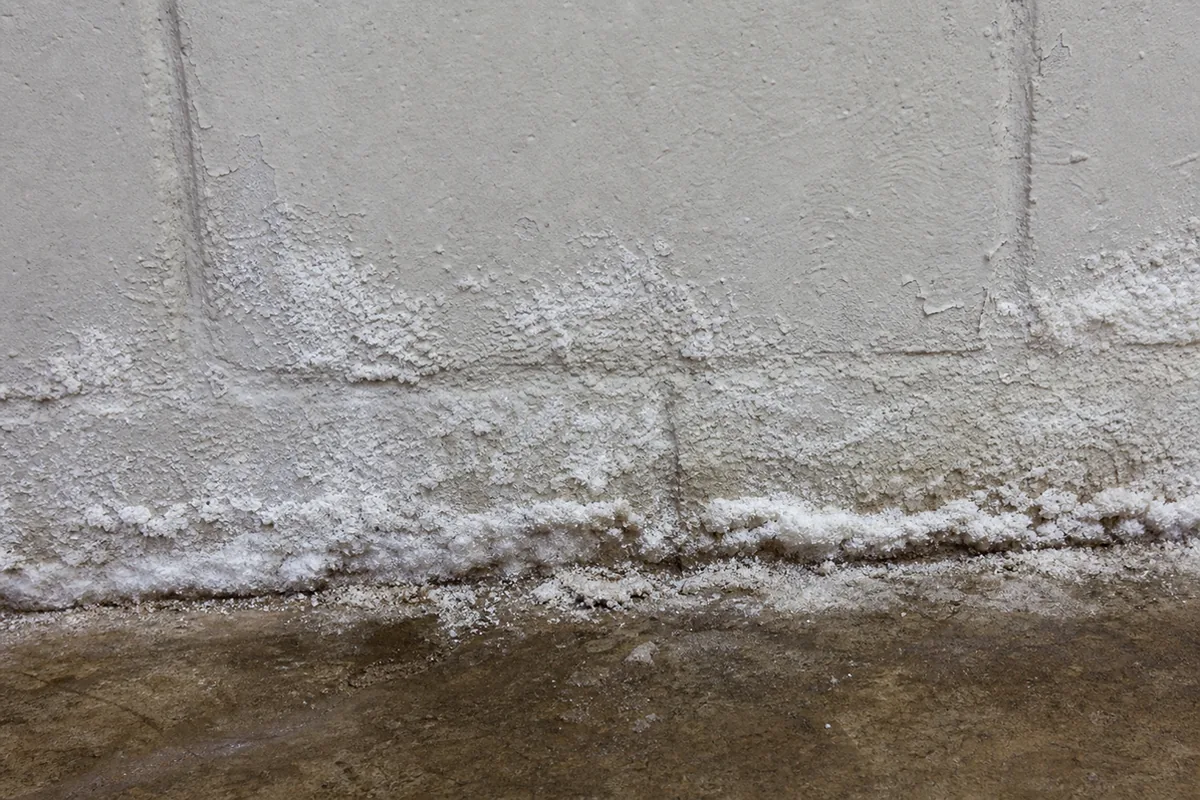
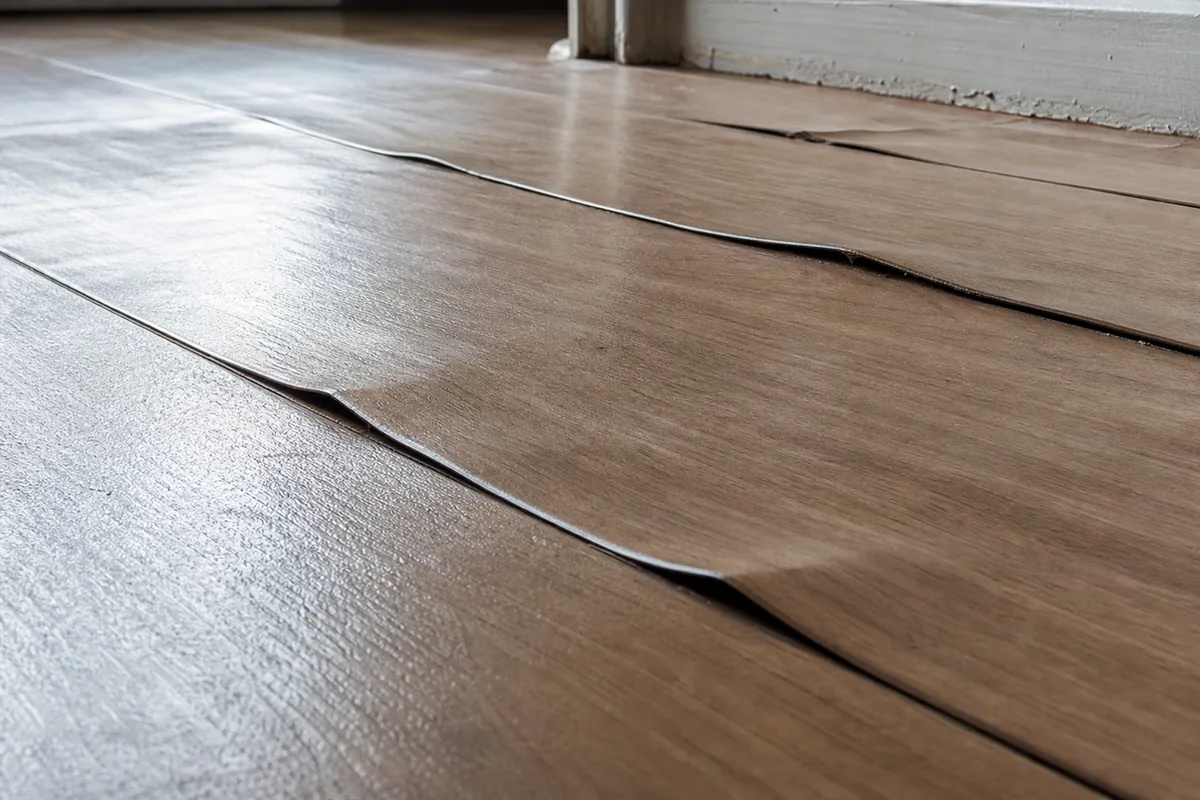
The carpet in the back bedroom always felt a little cool and damp, and the seller chalked it up to the room being on the north side. The inspector’s moisture meter told a different story. The slab under that part of the house was reading wet, there was a faint white crust of efflorescence along the base of the garage wall, and the laminate in the hall had cupped at the seams. The home sat on the Oxnard plain in Camarillo, on ground where the water table is not far down, and the moisture was not coming from a leak. It was coming up from below.
We are keeping the address private and the details composite, because this is a particular Camarillo and Oxnard-plain situation that buyers from drier inland markets do not expect. Out on the plain, the ground itself holds water, and on the wrong lot that water finds its way into the slab, the crawlspace, and the air of the house. The home was not defective in the usual sense. It was sitting on damp ground, and that changes what a buyer needs to know.
Here is how that one resolved, and what it should change about how you handle a home on the Oxnard plain.
Schedule a Camarillo inspection · Same-day report · Pay-at-closing available
Why this matters for the agent
Camarillo spreads across the eastern edge of the Oxnard plain, a vast, flat, alluvial coastal plain that is some of the most productive farmland in the state precisely because the soil is rich and the groundwater is shallow. The same shallow groundwater that grows strawberries can sit close enough to the surface, in places and seasons, to push moisture up into homes built on it. Add decades of irrigation, drainage, and the conversion of farmland into subdivisions, and ground moisture becomes a real and local inspection factor.
The risk for the agent is that this kind of moisture is misread or missed entirely. A buyer relocating from a dry inland tract does not expect a damp slab, and a casual look can mistake rising ground moisture for a one-time spill or write off cupped flooring as cosmetic. Left unexamined, persistent ground moisture drives flooring failures, mold, and indoor-air problems. Recognized early, it is a manageable, well-understood condition. The agent who knows the plain behaves differently is the one who gets it looked at properly.
What a high water table actually does to a home
The water table is simply the level below ground where the soil is saturated. On much of the Oxnard plain it sits relatively close to the surface, and that proximity drives moisture into a home in a few connected ways.
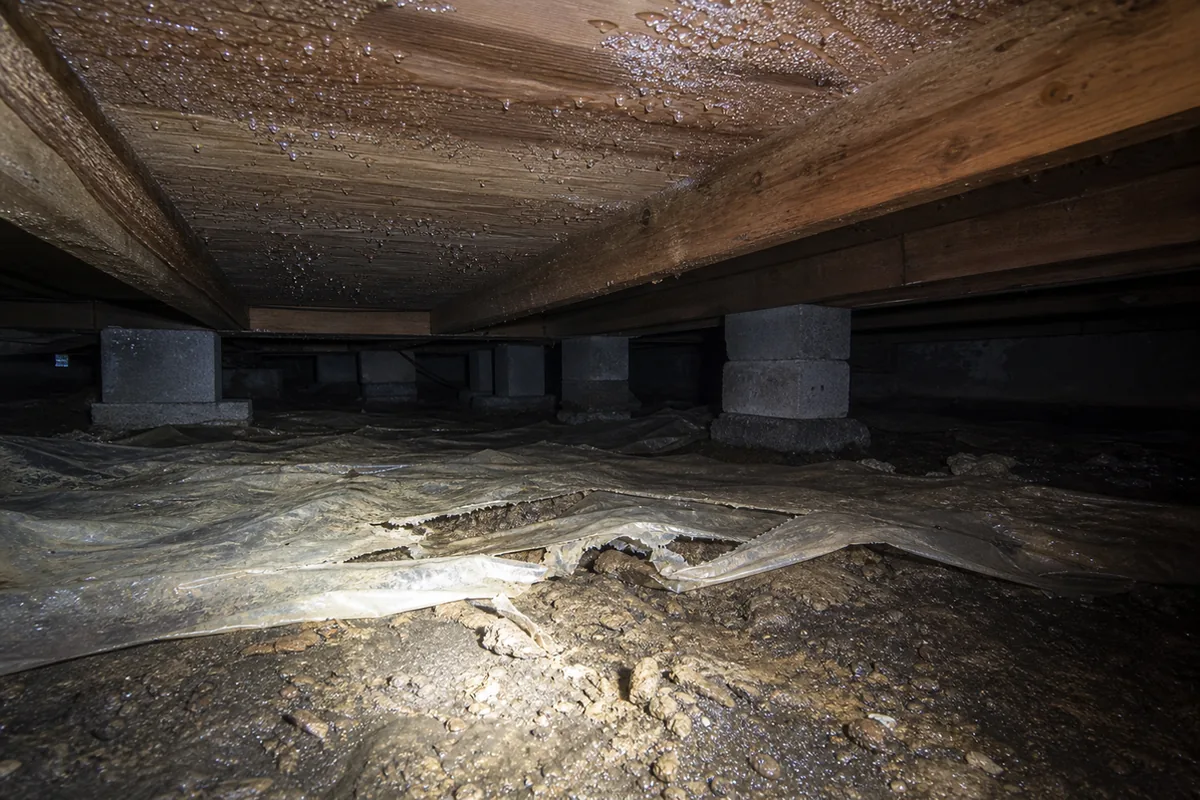
In a slab-on-grade house, water vapor moves up through the concrete from the damp ground below, especially where the under-slab vapor barrier is thin, damaged, or, in older homes, absent. That vapor raises the slab’s moisture level, which is what cups laminate, lifts vinyl, loosens tile, and leaves efflorescence, the white mineral crust, at the base of walls. In a raised-foundation house, the same shallow water keeps the crawlspace humid, which feeds wood rot, mold, and musty air. And around the whole house, a high water table plus flat ground means surface water drains slowly, so poor site drainage compounds everything.
The important point for a buyer is that this is a ground-and-water condition, not a plumbing leak. The fix is about managing moisture and drainage, not finding a broken pipe, which is a different conversation than most buyers expect.
Why it gets missed (the part most agents skip)
The thing that catches people is that ground moisture is quiet and seasonal. It is worse in wet months and after irrigation, better in dry spells, and it rarely announces itself with a dramatic leak. So a house can show dry at a summer open house and be damp in February, and a quick walk-through misses it.
It also hides under finishes. The moisture is in the slab and the crawlspace, not on the surface, so what a buyer sees is the secondary damage, cupped flooring, a musty closet, a faint efflorescence line, peeling paint at the base of a wall, and those are easy to explain away one at a time. The cause is under the floor and behind the baseboard, where only a moisture meter, a thermal camera, and a look into the crawlspace find it. And because it is not a code violation or a single broken component, it is exactly the kind of condition a generic inspection can underweight on the plain, even though it shapes how the home will live for its next owner.
What agents should tell every buyer
Tell them the Oxnard plain behaves differently than a dry inland tract, and that ground moisture is a normal thing to check here, not a sign something is broken. Framed that way, it is due diligence specific to the geography.
Tell them to think about it as moisture management. Where the water table is high, the questions are whether the slab has a working vapor barrier, whether the crawlspace is dry and ventilated, and whether the site drainage moves water away from the house. Those are answerable, and the answers shape both the buying decision and the first year of ownership.
Tell them where the inspection points next. A home inspector documents the moisture readings, the efflorescence, the flooring symptoms, and the crawlspace condition; depending on what is found, a foundation or waterproofing specialist or a drainage contractor scopes the fix, and on the plain a buyer may also want to understand the local groundwater context. For how a related moisture problem runs through a deal, our infrared scanning guide shows how the thermal camera finds what a visual look misses, and our slab-leak guide covers how we distinguish ground moisture from an actual plumbing leak.
Red flags during showings
You can spot a damp-ground home before the inspector confirms it, especially in or after the wet season.
Look at the floors. Laminate or engineered wood cupped or lifting at the seams, vinyl or tile that has loosened, and a cold or damp feel underfoot in one part of the house point to slab moisture.
Look at the base of the walls. A white powdery crust, efflorescence, along the bottom of garage or interior walls, peeling or bubbling paint near the floor, and staining at the baseboard are classic signs that moisture is moving up through the slab or foundation.
Use your nose in the closets and the crawlspace access. A musty smell in a closet, a back room, or near the crawlspace hatch is one of the most reliable tells of chronic ground moisture.
Read the lot and the season. A flat lot where water would pond, irrigation running against the house, and a showing during or just after the rainy season all raise the odds. A summer-dry house on the plain still deserves the moisture check.
The negotiation playbook
When an inspection documents ground moisture, there are four ways the deal tends to go.
The first path is the specialist scope. Because the inspection identifies the moisture and its symptoms but the remedy depends on the cause, the right move is often a short window for a foundation, waterproofing, or drainage specialist to evaluate and scope, turning a damp slab into a defined project.
The second path is the seller remedy. Improving site drainage, addressing crawlspace ventilation and a vapor barrier, or installing a moisture-management system are well-understood fixes a seller can complete, with the specialist’s scope defining the work.
The third path is the credit. If the buyer would rather control the work, a credit sized to the scope lets them manage the moisture on their terms, and replace any damaged flooring, after closing.
The fourth path is proceeding with eyes open. Plenty of homes on the plain live perfectly well with sensible moisture management. A buyer who understands the condition and the maintenance it implies can move forward confidently, which is the entire reason to identify it during the inspection.
How the inspection actually catches it
A home inspection on the Oxnard plain treats ground moisture as a condition to look for, not an afterthought. We take moisture readings on the slab and at the base of walls, look for efflorescence and the flooring symptoms that signal slab dampness, and get into the crawlspace where there is one to check for humidity, subfloor condition, and the vapor barrier. We run a thermal camera to map dampness behind walls and under floors that a visual look misses, as our infrared scanning guide explains, and we read the site drainage around the house.
Critically, we work to distinguish moisture rising from the ground from an actual plumbing leak, because the two lead to very different fixes, and we flag clearly when a foundation, waterproofing, or drainage specialist should evaluate. The premium inspection leaves a buyer who understands the ground their home sits on before they own it.
Quick FAQ for agents
Is a high water table a defect? No, it is a ground condition. On parts of the Oxnard plain the water table is shallow, and that drives moisture into slabs and crawlspaces. It is managed, not cured, and we document it so the buyer can plan.
How is this different from a slab leak? A slab leak is water escaping from a pressurized pipe; ground moisture rises from the damp earth below. The symptoms can look similar, so we work to tell them apart, because the fixes are completely different.
What does it cost to address? It depends on the cause, from improving site drainage to crawlspace ventilation and vapor barriers to a moisture-management system. A specialist scopes the real number; it is a defined project, not an open-ended fear.
Can the inspection find it in the dry season? We use moisture meters, thermal imaging, and the crawlspace to find the signs even when the surface looks dry, and we read the lot and the symptoms that persist year-round. The plain deserves the check regardless of season.
How long does it take to inspect? A normal two-to-four-hour inspection, with added attention to moisture, the slab, and the crawlspace. The report comes the same day.
The honest summary for agents
Camarillo sits on the Oxnard plain, where the same shallow groundwater that makes the farmland rich can push moisture up into homes built on it. It is quiet, seasonal, and easy to misread as a one-time spill or a cosmetic flaw, which is exactly why it gets missed by buyers expecting a dry inland tract. Your value as the agent is knowing the plain behaves differently, getting the moisture properly checked, and routing a real problem to the right specialist before closing. That is what turned a damp back bedroom into a documented, scoped, and manageable condition, and a buyer who understood the ground under their home instead of discovering it the first wet winter.
Related reading
- The Leak That Shows Up in the Ceiling in Aliso Viejo. Moisture from a fixture above rather than from the ground below, and how to tell them apart.
- Where the Water Goes in Tarzana: An Agent’s Guide: the surface-water version of the same question, where grading and downspouts decide instead of a rising water table.
- Eastvale stucco and weep-screed moisture guide: a third way water gets into a house, where a buried strip of metal at the base of the wall stops draining.
- Landslides & Hillside Earth Movement in Simi Valley: An Agent’s Guide: the other Ventura County ground question, where the slope moves instead of the water rising.
- What a Home Inspection Says (and Doesn’t) About Mold in National City: a rising water table is exactly the kind of moisture source referenced there as a mold-risk condition, without duplicating this article’s technical mechanism.
- What a Thermal Camera Caught Under a Tuscany Hills Slab: how we separate ground moisture from an actual slab leak.
- Menifee Foundation Cracks and Expansive Clay Soil: another soil-and-water condition that drives foundation and flooring symptoms.
- HVAC Condensation in Solana Beach: water condensing directly out of humid air onto cold ductwork, a different moisture source entirely from groundwater rising through a slab.
- Wood Decay and Fungal Rot in Toluca Lake: a shade and canopy-driven moisture source distinct from groundwater, working on the wood itself rather than the slab or crawlspace.
- Roof Drainage and Gutter Systems in Lake Balboa: water still coming off the roof, before it ever reaches the ground this article covers.
- Efflorescence and Spalling on Concrete and Masonry in La Mesa: a specific surface phenomenon on concrete and masonry, which can occur with or without a high water table present.
- Rancho Cucamonga Post-Tension Slab Foundations: how an engineered slab on the same kind of soil handles movement, and why you never cut into one.
- San Bernardino Earthquake and Liquefaction: when saturated valley soil becomes a seismic settlement question instead of a moisture one.
- Why Infrared Scanning Matters in California Homes: how thermal imaging maps hidden moisture behind walls and under floors.
- Santa Monica Marine-Layer Crawlspace Moisture: the coastal version of hidden ground moisture, where the marine layer rots subfloors under raised foundations instead of a high water table.
- Ducted HVAC Returns in Garden Grove: another quiet system failure in older tract homes, where inadequate return air chokes the forced-air system instead of the slab.
- Water Heater Safety in Thousand Oaks: the strapping, discharge-pipe, and venting rules for the garage appliance in the Ventura County city next door.
- Downey Foundation Dampproofing and Waterproofing Guide: the coating on the wall itself, a different mechanism from groundwater rising from below.
See what every inspection includes, how to read your inspection report, and our inspection FAQ. For city-specific pages, start with Camarillo, Simi Valley, and Thousand Oaks.
If you have a Camarillo or Oxnard-plain home in escrow, we can read the slab, the crawlspace, and the drainage for ground moisture and tell you clearly what it is and what it will take to manage.