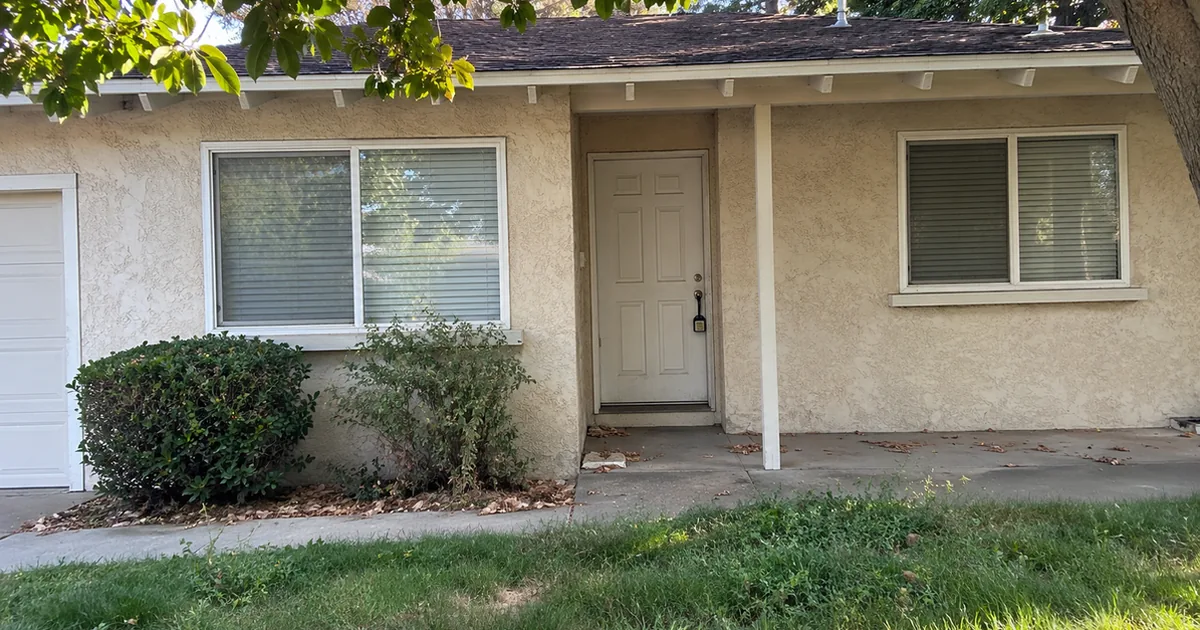
We see the same hope in almost every bank-owned purchase. The buyer wants the discount, the clean slate, and a report that explains the whole house before the investigation period ends.
The inspection works the same way it does on any other house. We check what is visible. We operate what can be operated. We report defects, safety concerns, deferred maintenance, and systems that could not be tested.
A vacant bank-owned house changes the inspection in two ways. It may have been sitting without anyone noticing leaks, odors, pest activity, or damaged equipment. It may also have no seller disclosure statement to fill in the gaps. When the water, gas, or electricity is off, the list of things we can test gets shorter.
A bank-owned house usually comes with no seller disclosure statement
California Civil Code section 1102.2 lists several transfers where the Transfer Disclosure Statement article does not apply. The list includes sales by foreclosure sale, transfers to a mortgagee or deed-of-trust beneficiary after default, sales under a power of sale after default, and sales by a mortgagee or beneficiary that acquired the property through foreclosure or a deed in lieu of foreclosure.
The practical result is simple. A bank that took the house back generally does not hand you a seller-completed Transfer Disclosure Statement. There may be no seller checklist describing the roof leak, the dead outlet, the failed furnace, or the water that entered the crawl space.
That makes the inspection more important, but it does not make the inspection all-knowing. We can report what we see and what we can operate. We cannot tell you what happened inside the house when it was occupied. We cannot tell you whether a former owner knew about a defect. We cannot replace a title review, a pest inspection, a sewer scope, or legal advice.
We are inspectors, not attorneys. The statute discussed here applies to the TDS article only. Ask your agent or attorney which other disclosures and addenda apply to the particular sale you are considering.
If you want a plain explanation of the inspection process, our guide to what a home inspection covers and what needs a specialist separates the inspection from the other evaluations buyers often need.
As-is does not remove your right to inspect
The California Residential Purchase Agreement gives the buyer the right, at the buyer’s expense unless otherwise agreed, to conduct inspections, investigations, tests, surveys, and other studies. The property is sold “as-is,” subject to those buyer investigation rights.
As-is means the buyer carries the repair cost of what the inspection finds. It does not mean you must buy without investigating. It also does not mean the bank has promised to repair a failed water heater, damaged roof, unsafe electrical condition, or broken appliance.
The agreement also limits how the investigation happens. You must not cause invasive or destructive investigations without the seller’s prior written consent. You must give the seller complete copies of investigation reports at no cost. You may choose the providers.
Bank sellers often use their own addendum. We do not know the terms of any particular bank addendum, and neither should you assume they match the standard agreement. Read the addendum before the inspection window starts. Look for rules about access, utilities, report delivery, repairs, re-inspections, and deadlines.
The investigation clock keeps running while those details are being sorted out. If the water is off and the seller has not agreed to restore it, get the responsibility and timing in writing. Do not wait until the final day to discover that a system could not be tested.
For more on timing, read California inspection contingency timeline, removal, and waiver.
What we can still check in a vacant house
We can inspect a great deal even when a house is empty. We usually start with the visible condition of the site and structure, then move through the roof, attic, crawl space, exterior, electrical components, plumbing fixtures, windows, doors, and major equipment that can be safely operated.
We look at the roof from accessible locations and from the ground, and our piece on what a drone sees on a roof explains where that view stops. Where conditions allow, a drone roof inspection can add views of roof surfaces and areas that cannot be seen safely from a ladder. It still does not turn a visual inspection into a destructive one.
We look for drainage patterns around the house, damaged gutters, signs of water entry, grading concerns, and conditions around exterior walls. We look into the crawl space where there is one, and at visible plumbing, the main shutoff, the water heater tank and venting, exposed wiring, the electrical panel where it can be opened safely, and accessible attic and crawl space areas.
We run a tap when water is available. We check fixtures and drains under flow. We look for a dry P-trap, visible leakage, corrosion, and signs that water has reached cabinets or flooring.
We check windows and doors for operation where access and condition allow. We look at locks, frames, weather seals, damaged glass, and signs that an opening has been unsecured. We look at venting, visible exhaust paths, and the condition of accessible components.
Inspection.re inspectors are InterNACHI-certified. Our service can include a same-day report, a 3D Matterport tour with tagged findings, FLIR infrared imaging, drone roof inspection, and a LIDAR floor plan. Those tools add information to the inspection. They do not remove the limits created by closed utilities, inaccessible areas, or hidden conditions.
You can see the types of services and inspection scope offered at what’s included.
What we cannot check when the utilities are off
We cannot evaluate an item by operating it when the utility that powers it is unavailable. The report lists that item as not inspected and states the reason. The report does not clear the item.
With the water off, we cannot pressure-test the plumbing. We cannot run fixtures and drains under flow. We cannot see how the water heater behaves in operation, how the washer connections perform, or whether a leak appears under a sink while water is running.
With the electricity off, we can open and view the electrical panel where it is safe to do so. We cannot test outlets, GFCI devices, AFCI devices, lights, HVAC equipment, the garage door opener, or electrically powered appliances.
With the gas off, we cannot fire the furnace, water heater, or range. We do not light pilot lights on other people’s appliances unless the standards and safety conditions allow it.
Tenant-occupied sales have a similar problem from the other direction, which we cover in inspecting a tenant-occupied home. A vacant house may look clean and orderly while its most expensive systems remain untested. That is why “not inspected” matters. It is not a finding that the item works. It is a statement that the inspection could not evaluate it under the available conditions.
If you are dealing with inaccessible or inactive systems, read what a home inspection does not inspect in inaccessible areas.
Ask about the utilities before you book the inspection
Ask whether the water, electricity, and gas will be on for the inspection. Ask who will turn them on. Ask who pays for that work. Ask whether the seller requires a separate approval before any utility is restored.
Winterization is common in cold climates. In California, it is less common, so ask rather than assume. If the water was shut off, ask whether the plumbing was drained. Ask whether antifreeze was placed in traps. Ask who will restore service and who will be present if the system has been inactive.
Settle those points in writing before the inspection date. The investigation clock keeps running while the utilities remain off.
Other sellers’ addenda may set their own rules. Agency-owned or lender-owned properties, including government-owned homes, can have addenda about when inspections can happen and who handles utilities. Read the addendum for the property and ask the listing agent in writing. We have not verified any one agency’s current rules, so do not rely on a general assumption about how that seller handles access.
If a system is not available, ask whether a second visit or re-inspection is allowed after the water, power, or gas is on. Confirm the deadline before you schedule the first visit. The report can identify what was not inspected, but a later visit may be needed to operate those systems.
The report is also where the limits get written down. Our walkthrough of reading a California inspection report shows how to spot the not-inspected lines.
What a house that has sat tends to hide
A vacant house does not guarantee a defect. It gives certain defects more time to go unnoticed.
We usually look for dry P-traps that may allow sewer gas into the house. We look for water stains, soft flooring, cabinet damage, and other signs of a leak that nobody noticed because nobody was living there. We pay attention to odors, damp crawl spaces, damp attic areas, pest evidence, and mold growth in places where humidity may not have been managed.
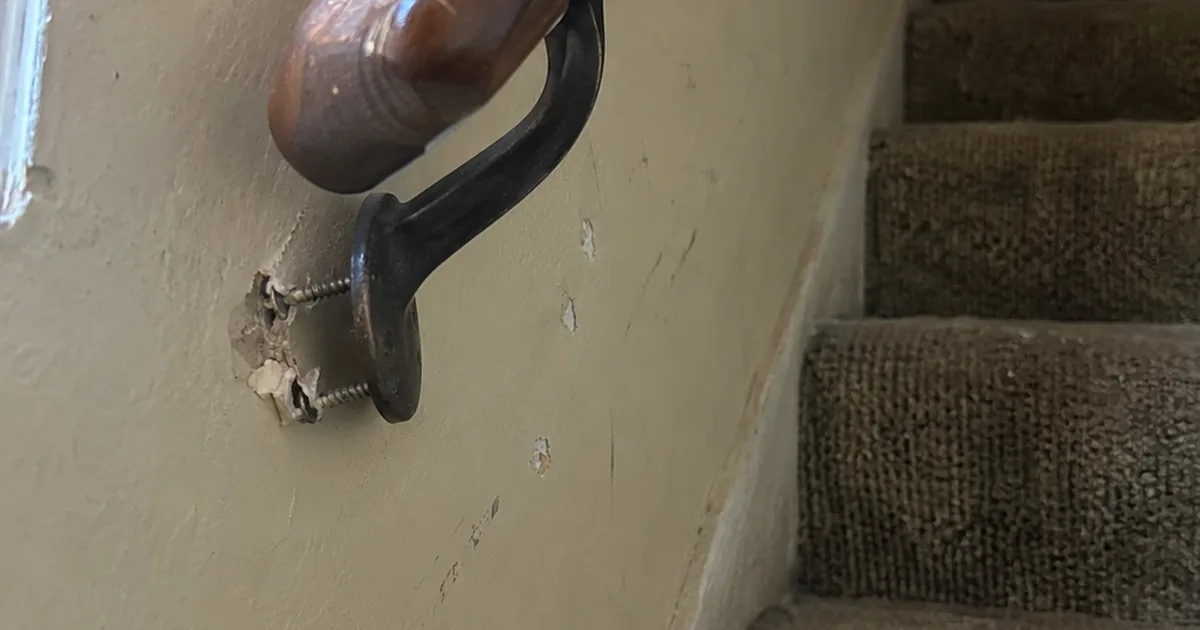
We look at smoke alarms and carbon monoxide alarms. We look for dead batteries, missing devices, and battery corrosion. We look at doors and windows that may have been unsecured or damaged.
Outside, we look for deferred roof maintenance, clogged or damaged gutters, drainage problems, neglected yard areas, and irrigation conditions. These are inspection observations, not guarantees about what happened during the vacancy.
Infrared imaging can help us look for moisture patterns behind surfaces in a house that has sat. It does not prove a leak. It does not show mold. It needs the right conditions, and an infrared image must be interpreted with the visible evidence around it.
Read how to read a thermal image from a home inspection before treating a color pattern as proof of a hidden problem.
Odors also need care. A dry trap, damp material, pest evidence, or another condition may produce a smell, but an inspection does not identify every odor source with certainty. Our guide to what that smell may mean during a California home inspection covers the limits of odor findings.
Trustee auctions are a different purchase
A trustee sale is different from a normal escrow purchase. Buyers generally should not expect the same access before bidding. Check the notice of trustee’s sale and the auctioneer’s terms for the property.
A home inspection typically is not available before bidding at a trustee auction. If an inspection happens at all, it may come after you own the property. Check the terms. Do not assume you will receive access before the sale.
A buyer in that position should price in unknowns. Consider an exterior-only look if access allows it. Review public records. After purchase, consider a plumbing, electrical, and roof contractor walk-through.
We cannot tell you what a particular trustee, auctioneer, or sale will allow. The notice and the auction terms for that property are the only reliable answer.
Do not treat an auction preview, if one is available, as a full inspection. An exterior view cannot show the condition of shutoff systems, hidden plumbing, interior finishes, appliances, or inaccessible areas.
What no inspection will tell you
An inspection does not answer title questions. It does not tell you whether liens exist, whether someone has occupancy rights, or whether an eviction issue remains.
We can note signs of unpermitted work. We do not research permits. A report can describe an altered electrical panel, an unusual room addition, or other visible work, but the report does not establish the permit history.
We cannot tell you whether an insurance company will write the home. Ask your insurance provider before the deadline.
A termite clearance requires a separate pest inspection by a registered company. A sewer line requires a separate sewer scope. A home inspection does not answer radon questions or provide mold sampling.
Mold-related concerns may need a separate evaluation. A visual inspection can describe visible conditions or moisture evidence, but it does not provide mold sampling. Read DIY mold test kits versus professional testing in California for the distinction.
If the sewer line matters to your decision, ask for a sewer scope. The inspection report cannot substitute for one. See whether a sewer scope is worth it for California home buyers.
A short checklist before you offer or bid
Before you commit to a bank-owned purchase, get the access questions answered in writing.
- Ask whether the water, electricity, and gas will be on for the inspection.
- Ask who will restore each utility and who will pay.
- Read the bank, lender, agency, or government seller addendum before the investigation window starts.
- Ask what disclosures the seller does have and request copies.
- Schedule the inspection early enough to allow a second visit if utilities are off.
- Budget for specialist follow-ups, including a pest inspection, sewer scope, contractor review, or other evaluation that your findings call for. Our article on the cost of a California home inspection explains what moves a quote.
- Get a written scope from the inspector before the appointment, and compare it with the inspection FAQ.
- Ask what will be reported as not inspected if a system cannot be operated.
- Confirm whether complete reports must be delivered to the seller under the purchase agreement or addendum.
- Keep the investigation deadline visible while access and utility questions are being resolved.
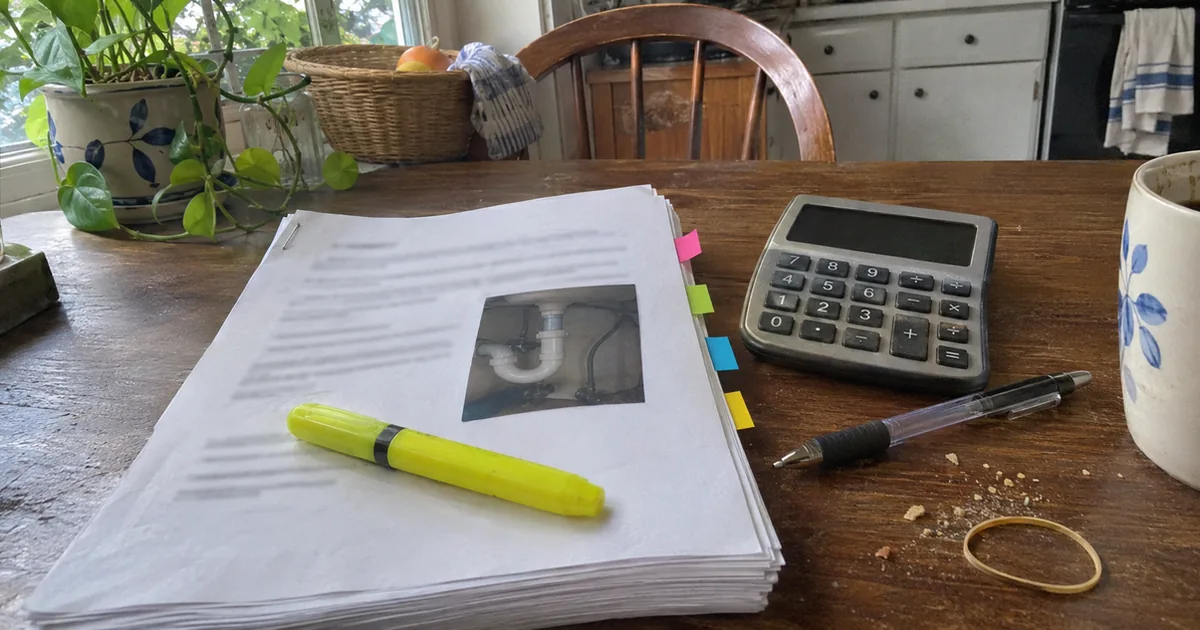
You can also review the sample inspection report before yours arrives. A long report is not automatically a bad report. The useful question is what was observed, what was operated, what was not inspected, and what needs another specialist.
Questions buyers ask about foreclosed homes
Can I get an inspection on a foreclosure?
Usually, the answer depends on how the property is being sold.
A bank-owned property in escrow may allow an inspection under the purchase agreement and the seller’s addendum. Read the access terms and schedule within the investigation window.
A trustee auction generally does not provide the same access before bidding. Check the notice of trustee’s sale and auctioneer’s terms. An inspection typically comes, if at all, after purchase.
Will the bank repair what the report finds?
Do not assume it will. The property is sold as-is, so the buyer carries the repair cost of what is found.
You may ask for repairs or a credit, but that is a negotiation, not an entitlement. We do not know the policy or position of any particular bank seller. Read the addendum and ask your agent what the agreement allows.
Does the home inspection cover mold, termites, or the sewer line?
No. The inspection may identify visible signs, but mold sampling, termite clearance, and sewer condition require separate services.
A registered pest company handles the termite inspection. A sewer scope uses separate equipment and a separate evaluation. Mold sampling is also separate.
Whoever sells the property, the inspector you hire should still be independent of the sale. See what a third-party home inspection means on a California purchase.
The inspection gives you facts, not a clean bill of health
A bank-owned inspection can tell you what is visible, what can be operated, and what needs another specialist. It can identify signs of vacancy, deferred maintenance, moisture, damaged components, and unsafe conditions.
It cannot create a seller disclosure statement. It cannot make shutoff systems testable. It cannot answer title, lien, occupancy, permit, insurance, pest, sewer, radon, or mold-sampling questions.
Before you offer or bid, read the seller’s addendum, confirm the utilities in writing, schedule the inspection early, and reserve time for specialist follow-ups. If the house is in escrow and you want an inspection that clearly separates tested systems from untested ones, schedule with Inspection.re.
If the property is in our service area, see our pages for San Diego, Riverside, and Los Angeles. A city page is not a quote for your house.
Related reading
- What a Home Inspection Covers, and What Needs a Specialist. Separates the base inspection from specialist work.
- How Parts of a Home Can Go Uninspected. Why a not-inspected line in the report matters.
- The California Inspection Contingency Timeline. How the investigation clock runs.
- How to Read a Thermal Image From a Home Inspection. What infrared shows and what it does not.
If you want the baseline definition first, what a California pre-purchase inspection is starts there.
On any purchase, bank-owned or not, our home inspection checklist for California buyers covers utilities, access and the calendar in order.
On a bank-owned purchase, ask early what the buyer’s lender will require. See mandatory repairs after a California inspection.
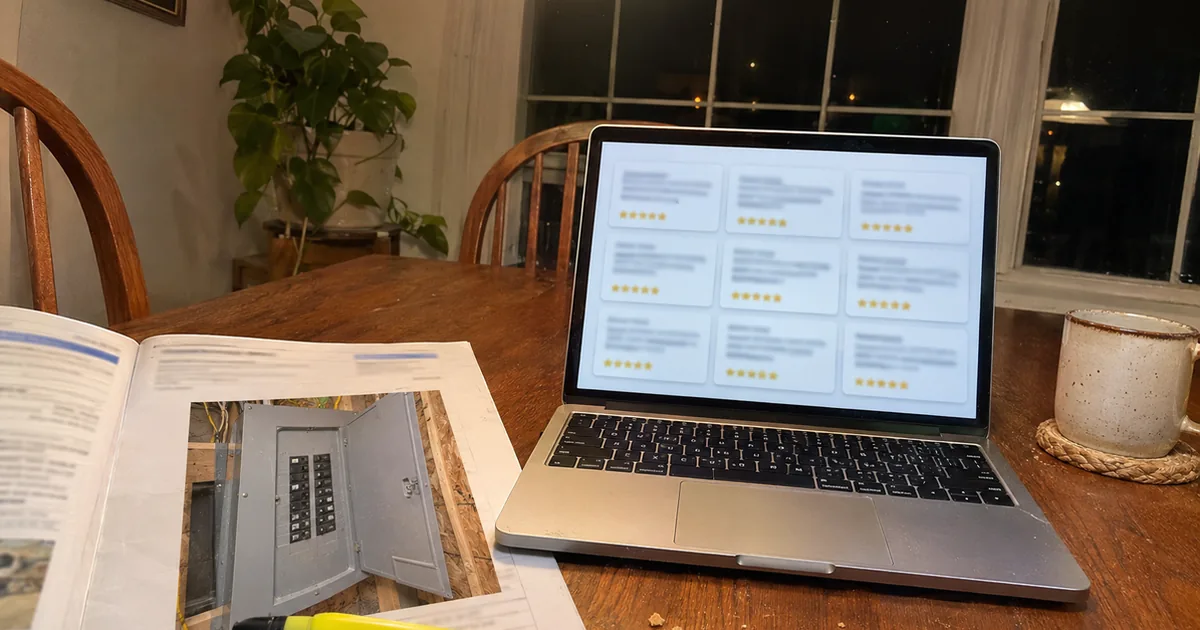
Before you hire for a vacant or bank-owned property, read the reviews critically and ask for a sample report.
Requests on a bank-owned house still start on paper, as explained in asking the seller for repairs or a credit.