Buyers ask us on almost every inspection which items in the report the seller has to fix.
By default, none of them. The report gives you information. It does not order the seller, lender, contractor, or city to do anything.
Four different parties can create a repair requirement: the purchase contract, California law, the lender, and the insurer or city. Here is how those requirements separate from ordinary negotiation, whether you are buying in Los Angeles, San Diego or anywhere else in the state.
A home inspection report does not order anyone to repair anything
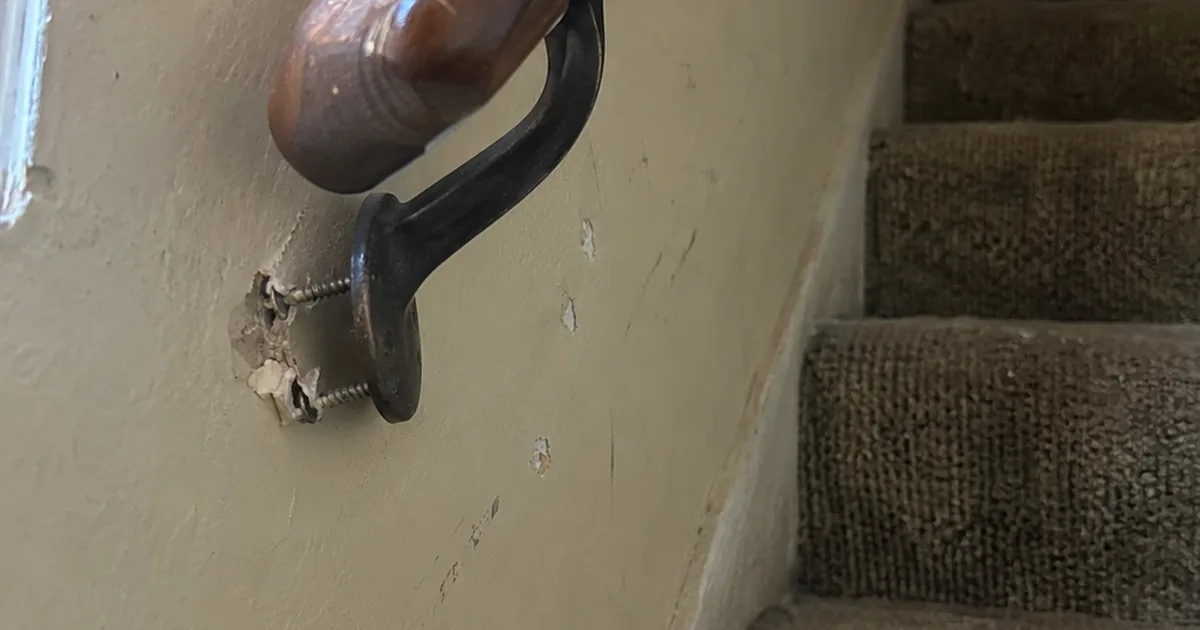
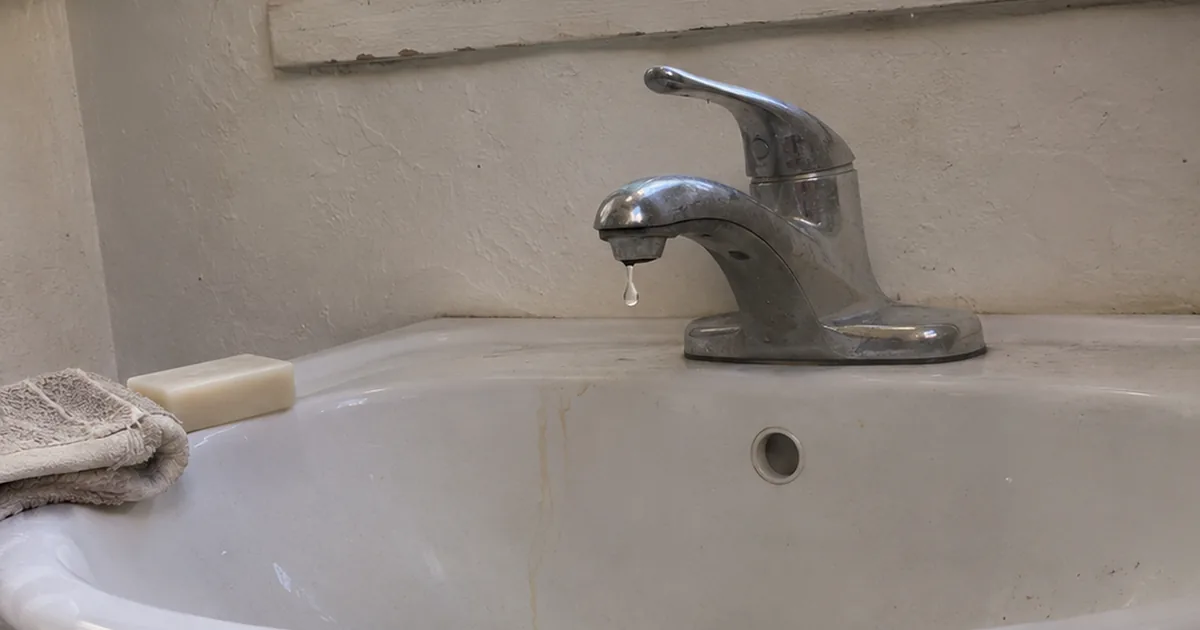
We document what we can observe. A handrail that wobbles. A dripping faucet with no damage underneath. Missing earthquake strapping on a water heater. Active leakage. The report tells you what we saw and what may need further evaluation.
Nothing in the report becomes mandatory just because it appears in writing. A buyer can request a repair. A seller can agree, refuse, offer a credit, or propose another solution. The lender can impose a separate condition. State law can require a device, certification, disclosure, or correction. A city can require permits, inspections, and approvals.
That is why the first question is not, “Is this in the report?” The better question is, “Who has authority to require this item?”
Our California home inspection checklist explains what inspectors commonly report. It does not turn every finding into a seller obligation.
The purchase agreement makes repairs a request, not a demand
The purchase agreement usually lets the buyer request repairs. It does not automatically require the seller to accept the request.
The C.A.R. Residential Purchase Agreement lets the buyer request repairs after investigating the property. In the revisions we have read, the seller has no obligation to agree to the request or respond to it. Check the revision printed on your own form. C.A.R. revises its forms.
The buyer’s real power is usually the contingency. The buyer may be able to cancel or remove the contingency in writing, depending on the contract and the deadline. A repair request does not stop the contingency clock.
Only a written removal, a written cancellation, or an extension signed by both sides moves the date. The forms referenced in the 12/22 agreement are form CR for written removal and form CC for written cancellation. The California inspection contingency timeline explains why a request and a contingency removal are separate acts.
Once repairs are agreed, the obligation changes. Paragraph 15 of the 12/22 form says, “Repairs shall be completed prior to final verification of condition unless Otherwise Agreed.” The work must comply with applicable law, including permit, inspection, and approval requirements.
An agreed repair becomes a contract obligation. An unanswered request does not.
Contract and legal questions go to your agent, broker, or a real estate attorney. We inspect houses. We do not practice law.
State law sets a short list of items the seller must address or disclose
California law creates specific duties for smoke alarms, carbon monoxide devices, water heater bracing, plumbing fixtures, and defensible space. Most of these duties involve compliance statements or disclosures with limited remedies. They are not a general rule that a house cannot sell.
Smoke alarms are covered by Health and Safety Code section 13113.8. Every single-family dwelling and factory-built housing that is sold shall have an operable smoke alarm. The transferor delivers a written statement that the transferor is in compliance. That statement may appear in the receipt for deposit, an addendum, or a separate document.
For this statute, “single-family dwelling” includes a one-unit or two-unit dwelling, but not a manufactured home or mobilehome. Failure to comply does not invalidate the transfer of title. The exclusive remedy is actual damages not to exceed $100.
Carbon monoxide devices are covered by Health and Safety Code section 17926. An owner shall install an approved carbon monoxide device in each existing dwelling unit that has a fossil fuel burning heater or appliance, a fireplace, or an attached garage. Failure to comply does not invalidate the transfer of title. The exclusive remedy is actual damages not to exceed $100.
The carbon monoxide statute does not create the same transfer statement described for smoke alarms. Do not treat the two statutes as if they say the same thing.
Water heater bracing is covered by Health and Safety Code section 19211. New and replacement water heaters, along with existing residential water heaters, shall be braced, anchored, or strapped to resist falling or horizontal displacement caused by earthquake motion. The water heater must be secured at least in accordance with the California Plumbing Code.
The seller shall certify in writing to the prospective purchaser that this requirement has been met. The certification may appear in the Homeowner’s Guide to Earthquake Safety, the sales contract, the receipt for deposit, or the transfer disclosure statement. The rule applies to standard water heaters of not more than 120 gallons for which a preengineered strapping kit is readily available. Our water heater inspection guide shows what we look for in the field.
The purchase agreement table gives smoke alarms, carbon monoxide detectors, and water heater bracing their own seven-day line, referenced to paragraph 10B(1) in the 12/22 form. That line is separate from negotiated repairs.
Plumbing fixtures have their own rule. Civil Code section 1101.4 requires noncompliant plumbing fixtures in single-family residential real property to be replaced by the owner on or before January 1, 2017. The seller or transferor must disclose in writing the requirement and whether the property includes noncompliant plumbing fixtures.
For building alterations or improvements to single-family property, the permit applicant must replace all noncompliant plumbing fixtures as a condition of the certificate of final completion and occupancy or final permit approval. A permitted repair can therefore pull a fixture replacement into the job. Ask the plumber or the city what counts as noncompliant.
Defensible space applies to property in a high or very high fire hazard severity zone. On and after July 1, 2021, the seller must provide documentation that the property complies with Public Resources Code section 4291 or local vegetation management ordinances.
If the seller has not obtained the documentation, the seller and buyer enter a written agreement under which the buyer obtains it. Where no local ordinance requires it and an agency or qualified nonprofit provides an inspection, the buyer must obtain documentation within one year after the close of escrow. Agencies can still enforce defensible space rules. Read the Wildomar defensible space guide for how that issue can appear during escrow.
A lender can make a repair a condition of the loan
The lender decides which property conditions can block or condition financing. The inspector does not.
For FHA loans, HUD Handbook 4000.1 states that the FHA appraiser’s observation is limited to readily observable conditions and is not as comprehensive an inspection as one performed by a licensed home inspector. When the examination reveals noncompliance with HUD’s minimum property requirements and standards, the appraiser must report the repairs necessary, provide an estimated cost to cure, provide photographs, and condition the appraisal on the repairs.
HUD states, “Regardless of the Appraiser’s suggested repairs, the Mortgagee will determine which repairs are required.” The required repairs must be limited to those necessary to maintain the safety, security, and soundness of the property, preserve its continued marketability, and protect the health and safety of the occupants.
Cosmetic or minor repairs are not required under that FHA discussion, but they must be reported. HUD gives examples including missing handrails that do not pose a threat to safety, holes in window screens, cracked window glass, defective interior paint surfaces in housing constructed after 1978, and minor plumbing leaks that do not cause damage, such as a dripping faucet.
The hud.gov copy of the handbook we read is marked last revised August 14, 2019, and HUD revises its handbook from time to time, so check the current version with your lender.
The appraiser must also make the appraisal subject to inspection by a qualified individual or entity when something suggests a potential safety, soundness, or security issue beyond the appraiser’s ability to assess. HUD lists standing water against the foundation, excessively damp basements, hazardous materials, faulty or defective electrical, plumbing, or heating and cooling systems, and evidence of possible structural failure.
Conventional loans sold to Fannie Mae follow a different framework. Section B4-1.3-06 of the Fannie Mae Selling Guide, in the version dated June 4, 2025, says appraisers are not responsible for hidden or unapparent conditions. The appraisal must reflect adverse conditions apparent during the inspection, including needed repairs and deterioration. The appraiser must identify items requiring immediate repair and items where maintenance may have been deferred.
Fannie Mae uses condition ratings from C1 through C6. C6 means deficiencies severe enough to affect safety, soundness, or structural integrity. Loans on C6 properties are not eligible for sale to Fannie Mae until those deficiencies are repaired to a minimum rating of C5, and the appraisal must be completed subject to completion of those items.
If the appraisal shows evidence of infestation, such as wood-boring insects, dampness, or abnormal settlement, the lender must obtain satisfactory evidence that the condition was corrected or a professionally prepared report that it poses no threat of structural damage. The lender decides whether an inspection is required.
VA loans have their own property requirements. We have not quoted them here. Ask your loan officer.
Ask the loan officer early which report items the lender will treat as required. The answer comes from the lender, not from the inspector or the appraiser.
An appraisal is not an inspection, and a house can pass one and still have inspection findings. The third-party inspection article explains the different roles.
Insurers and cities set their own conditions, so ask before you remove the contingency
Insurers and building departments each apply their own rules, so a finding that one accepts may stop another. We have not quoted any specific insurer or city rule here.
An insurer decides whether to write a policy and on what terms. A roof, electrical panel, or wiring finding can change that decision. Get an insurance quote while the inspection contingency is still live.
Roof age and nonrenewal can enter the picture under California law. Our article on SB 1301, roof age, and nonrenewal covers that issue.
Cities handle permit-required repairs through their own building department process. The work may require a permit, inspection, and approval. Some cities attach their own requirements to a sale or a permit. Ask the city building department before assuming a repair is finished because a contractor completed the physical work.
Unpermitted additions are both a lender and city question. A converted garage, added room, or other improvement can require separate review. See the Van Nuys unpermitted additions guide before treating the issue as an ordinary repair request.
What is genuinely negotiable
Most aging but working equipment, cosmetic items, maintenance issues, and second-opinion items are negotiable.
An element that works does not have to be replaced merely because of age. HUD states, “If an element is functioning well but has not reached the end of its useful life, the Appraiser should not recommend replacement because of age.”
Age alone does not create a repair order.
Put each finding into one of three piles: repair, credit, or live-with. A repair is physical work. A credit changes the financial terms. Live-with means you accept the condition and budget for it later.
Ask your loan officer whether a credit can stand in for a repair the lender requires. Do not assume the answer.
Write the request so another person can identify the exact work. Name the item, location, and requested result. “Fix plumbing” is weak. “Repair the active leak at the hall bathroom supply connection and provide evidence of completion” is specific.
The inspection checklist article helps buyers organize findings before making a request. Sellers can remove some requests before listing by addressing known conditions through a pre-listing inspection.
How common report findings sort out
Report findings fall into different categories, and only some of them are required.
A missing smoke alarm or carbon monoxide device, and an unstrapped water heater, are state law issues. Plumbing fixtures are mostly a disclosure issue.
A dripping faucet with no damage underneath, a cracked pane, or a hole in a window screen is treated by both HUD and Fannie Mae as a minor condition that generally does not rise to a required repair, though it must be reported. Those items are negotiable. Fannie Mae’s own list of minor conditions also includes worn floor finishes or carpet.
A missing handrail can also be minor under HUD and Fannie Mae when it does not pose a safety threat. A stair rail that wobbles badly or could fail is different. The lender decides how the condition is treated.
Active leakage, decay, termite or wood-boring insect evidence, continuing settlement, standing water at the foundation, and a defective electrical, plumbing, or heating system are the kinds of conditions that, between them, HUD and Fannie Mae tell appraisers and lenders to examine. They can lead to required repairs or a specialist inspection.
The order of authority matters. On a financed purchase, a lender requirement is the condition that most often turns a negotiable inspection finding into a required repair.
Who does the work and how to prove it
Required work should be performed by a licensed contractor, with permits where needed.
Ask which contractor license applies before work begins. The California contractor license guide explains why the trade matters. A permit-required repair is not complete merely because the visible work looks finished. The building department may still need to inspect and approve it.
Inspection.re attends re-inspections after seller repairs. Our re-inspection is a flat rate based on scope, quoted when you call. We compare the agreed repair list with the visible condition and available documentation.
A Matterport 3D tour can tag findings in place. A same-day report, within 6 to 8 hours, makes the repair list specific while the contingency and escrow deadlines are still active. See what is included in an Inspection.re inspection.
We are InterNACHI certified and inspect to the InterNACHI Standards of Practice. Those standards do not cover concealed or latent defects.
Five questions buyers ask before they request repairs
Can a seller refuse repairs?
Yes, a seller can refuse a buyer’s repair request under the C.A.R. agreement revisions we have read. The buyer’s response may involve the inspection contingency, a request for an extension, cancellation, or removal. Ask your agent, broker, or attorney about the contract.
Can a lender make me fix something I would rather live with?
Yes. A lender can condition the loan on repairs, further inspection, or other evidence. Ask the loan officer which items are required and whether a credit can replace the repair.
Do I have to repair things in an as-is sale?
An as-is purchase contract still allows the buyer to investigate and request repairs. The seller does not have to agree to the request. A lender’s requirement is separate and can still affect the loan.
The honest summary
A home inspection identifies conditions. It does not decide who must repair them.
Before removing the contingency, ask the agent about the contract, the loan officer about lender conditions, the insurer about coverage, and the city about permits and approvals. Put agreed work in writing. Name the item, location, and result. Then verify the repair before closing, using how to verify agreed repairs before close of escrow.
If you are still deciding whether to inspect at all, read what a pre-purchase inspection is and how to read the report once it arrives. Waiving is a separate decision, covered in should you waive the inspection contingency. Bank-owned houses add their own limits, which we cover in our foreclosure inspection guide. Alarm and carbon monoxide questions at transfer are covered in the Ontario smoke and CO alarm guide.
See everything included in an Inspection.re inspection, read the questions buyers ask us most and look at a sample same-day report. When you are ready, schedule an inspection or call 1-888-88-INSP-9.
We inspect across the state, including San Francisco and Temecula, as well as Los Angeles and San Diego.
Reviews seldom mention repair requirements at all, which is one reason a five-star score says little about the work.
Once you know what is only a request, here is how to write that request and choose between a repair, a credit and a price cut.
For the negotiable items, use a five-question test to decide what goes in the request.