Buyers ask us for a checklist on almost every inspection. What they usually want is a list of things to look at. What they actually need is a list of things to do, in order, before day 17.
This home inspection checklist for California buyers and their agents follows the purchase agreement calendar from acceptance through contingency removal. For Los Angeles specific findings, see our Los Angeles buyer checklist.
Book the general inspection between day 0 and day 2
Book the general inspection now, not on day 10.
The general inspection helps decide which specialist reports you need. A sewer scope, wood destroying pest report, roofer, structural engineer, and sometimes a lab each have their own lead time. If the general inspection happens late, the second round may not fit before your deadline.
Put the contingency date from your form on the calendar as soon as the offer is accepted. The printed default is 17 days after Acceptance for Investigation of Property. The parties can change that date on the face of the form. Your form controls.
Use this first call to answer the access questions:
- Book the general inspection.
- Put the Investigation of Property date from your form on the calendar.
- Ask who holds the keys, gate codes, and lockbox information.
- Ask whether the house is tenant occupied. Tenants need notice. See inspecting a house a tenant still lives in.
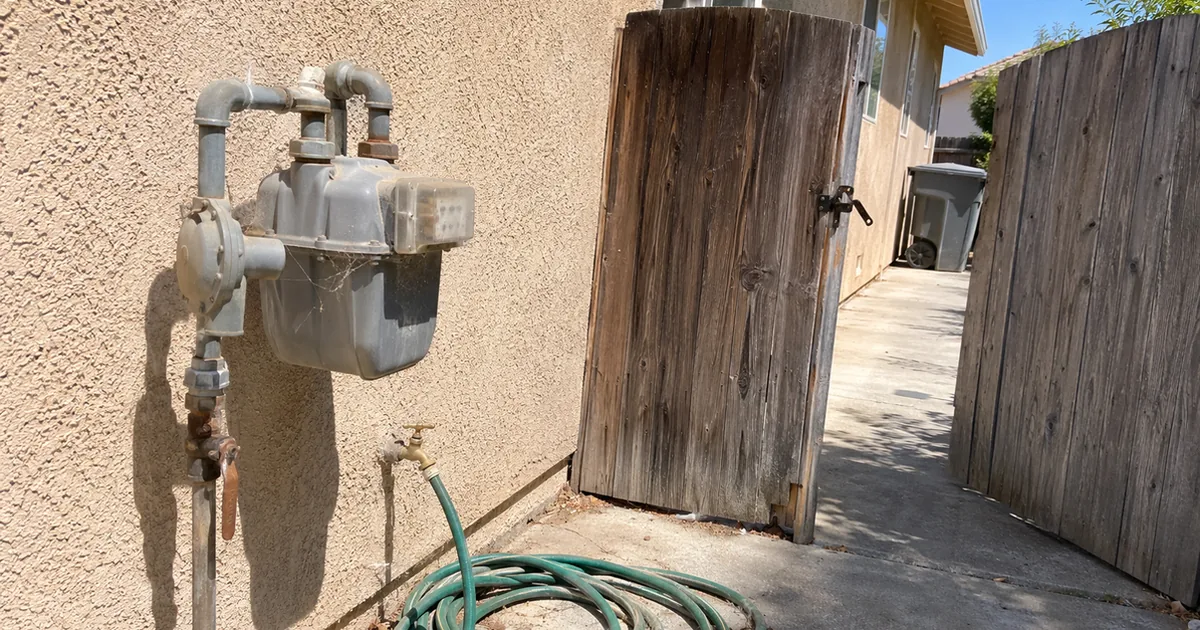
- Ask whether the water, gas, and electricity are on.
A tenant occupied house may need a different appointment process. A house with utilities off may need the seller, utility company, or listing representative involved before the inspection can do its work.
Read why a California contingency does not expire on its own and what a pre-purchase inspection is under California law. The purchase agreement belongs to your broker and attorney. We inspect the property. We do not practice law.
Request the seller documents before the inspector arrives
Read what the seller already knows before you pay someone to find it.
The printed default for Seller Delivery of Documents is 7 days after Acceptance. On a clean file, that leaves about ten days once the paperwork lands. That is not much time if the documents reveal an addition, a roof replacement, a prior leak, or a permit question.
Request the documents early:
- Transfer Disclosure Statement
- Seller questionnaire
- Natural Hazard Disclosure
- Prior inspection reports
- Prior pest reports
- Permit history from the city or county building department
- Final permits for additions, re-roofing, panel changes, and water heater work
- HOA documents for a condominium
For a condo, read where the unit ends and the HOA begins. The inspection can cover the unit and its visible components. The HOA documents address the association’s responsibilities and records.
Send the documents to the inspector before the appointment. A disclosed past leak tells us which ceiling to scan with infrared first. A permit for a converted garage tells us which area to examine closely. A prior report may show a repair that needs to be checked again.
Statutory disclosures cannot be waived. If a disclosure is delivered after the offer, it opens a short termination window, 3 days for delivery in person and 5 days for delivery by mail or electronic delivery.
Clear access and turn on utilities the day before
Most “not inspected” lines in a report are access problems that could have been solved the day before.
The C.A.R. purchase agreement, as read in the 12/21 revision, says the seller shall make the property available for buyer investigations. It also says the seller is not obligated to move personal property. The seller shall have water, gas, electricity, and all operable pilot lights on for buyer investigations. Check the revision on your own form.
The day before the inspection, confirm:
- Water, gas, and electricity are on.
- Pilot lights are lit.
- Attic hatch access is clear.
- The electrical panel is not blocked.
- The crawlspace hatch can be found and opened.
- Water heater and furnace closets are clear.
- The garage door opener remote is available.
- Pets are secured.
- Side-yard gates are open, or the padlock code has been shared.
- Roof access is available if the roof requires it.
The attic hatch is most often inside a closet with a shelf of boxes under it. Moving those boxes before the appointment can change the inspection from a limited view to an entry.
We do not light pilot lights on someone else’s appliances. That is the seller’s and utility’s job. If a pilot light is out, the report should say what could not be tested.
Read how to clear a “not inspected” line. Bank-owned houses often have utilities off. See our foreclosure inspection guide.
Bring the documents and attend the last hour
Come for the last hour if you cannot come for all of it.
Bring your copy of the disclosures with questions marked. Bring the HOA or permit papers. Bring a phone for notes and comfortable shoes. You do not need your own flashlight or tools.
Attending the end lets the inspector walk you through findings in person while you stand at them. A note about a sloped floor makes more sense when you are standing in the room. A drainage concern makes more sense when you are looking at the downspout and the soil below it.
Our inspections include a Matterport 3D tour with each finding tagged in place. A buyer who cannot attend, or a relative across the country, can walk the house afterward and click a tag to see the finding. A LIDAR floor plan with measured room dimensions is also part of the package. It is useful for furniture and renovation planning.
Read what to expect on the day.
Ask these questions at each stop
You are not there to diagnose. You are there to ask the right question while standing in front of the thing.
Electrical panel
Ask what brand the panel is and whether it is one with a recall or known problem. Ask whether there are signs of added circuits, including double taps. A panel label alone does not answer those questions.
See recalled panels and breakers.
Kitchen and bathrooms
Ask which outlets are GFCI protected. Ask what pressing the test button actually proved. A test button tells us something about the device’s response. It does not answer every question about the circuit.
Look under the sinks. Ask whether there is staining, active moisture, or evidence of an earlier leak. At each toilet, ask whether the floor feels soft or whether the base shows signs of movement or damage.
See what a GFCI or AFCI test proves.
Water heater
Ask whether the water heater is strapped. Ask whether the relief valve has a discharge pipe. Ask how old the unit is.
The relief valve discharge pipe is one of the most common water heater notes. California Health and Safety Code section 19211 requires bracing, anchoring, or strapping, and the seller must certify compliance in writing.
See what we check on a water heater.
Furnace and air conditioning
Ask whether both systems ran. Ask what part of the furnace a visual inspection cannot see.
A visual inspection has limits. The furnace heat exchanger is one example. The report should explain what was observed and what was outside the inspection’s scope.
See furnace heat exchanger limits.
Attic
Ask whether the attic was entered or viewed from the hatch, and ask why. “Viewed from hatch” is a different finding from “entered”, and the report should say which.
Ask about visible insulation, ventilation, moisture staining, and the condition of the roof framing that could be seen. Do not assume a hatch view covers every part of the attic.
See what we read from the attic hatch.
Crawlspace or slab
Ask whether the crawlspace was entered. Ask about moisture, standing water, wood decay, and visible plumbing.
If the house is on a slab, ask what was visible at the slab edges and interior floors. A slab limits what can be viewed below the finished surfaces.
See what we check in a crawl space.
Garage
Ask whether the opener reversed when it met resistance. Ask whether the door into the house is the right kind.
Ask what was visible around the garage walls, ceiling, floor, and stored items. Personal property can block portions of the garage just as it can block an electrical panel or crawlspace hatch.
See garage door opener auto-reverse.
Roof and exterior
Ask whether the roof was walked, viewed with a drone, or viewed from the ground. Ask where water goes at the downspouts.
The report should state how the roof was viewed. A drone view is not the same as walking the roof. A ground view is not the same as either one.
See what a drone roof inspection sees.
Windows
Ask whether any double-pane glass is fogged. Ask how many windows are affected and where they are.
See how to size a fogged window finding.
Smoke and carbon monoxide alarms
Ask whether the alarms are present where required. The purchase agreement has a 7-day line for smoke alarms, carbon monoxide detectors, and water heater bracing.
Health and Safety Code section 17926 asks for a carbon monoxide device in a dwelling with a fossil fuel appliance, fireplace, or attached garage.
Decide on specialist reports before you leave
Decide on specialist follow-ups the same day, because each one needs days you may not have.
A sewer scope can show conditions that a general inspection cannot see. Read is a sewer scope worth it.
Mold testing should be ordered only if moisture readings point to it. Read air vs surface mold testing.
For a pool, confirm what is and is not included in the inspection. Read what is and isn’t checked on a pool.
A radon test takes 48 hours and requires closed-house conditions. It fits the calendar only if ordered on day one. Read radon testing in California.
If a finding needs a contractor, match the contractor license class to the referral. Read which contractor license.
Before leaving, ask which specialist reports are needed, who should perform them, and when the results can be delivered.
Read the findings the evening they arrive
Read the safety items first, then sort everything else into three piles.
Our findings arrive the same day, within 6 to 8 hours. That usually buys back a day or two at the front of the second round of specialists.
Use the evening report review to:
- Read the safety items first.
- Mark every item referred to a specialist.
- Book those specialists that night.
- List the questions you still have.
- Call the inspector with those questions.
- Separate repair, credit, and live-with piles.
The repair pile contains items you want addressed. The credit pile contains items you would rather fix yourself after closing, in exchange for a credit if the seller agrees to one. The live-with pile contains conditions you accept as part of buying this house.
The buyer must give the seller complete copies of investigation reports obtained, at no cost, by the investigation deadline or three days after receiving the report, whichever is later.
Read how to read the findings and how to read a home inspection report in California.
A repair request does not stop the contingency clock
A repair request does not stop the clock.
The form lets a buyer request repairs. The seller has no obligation to agree or respond. Only a written removal, form CR, a written cancellation, form CC, or an extension signed by both sides moves the date.
If the seller misses the deadline, nothing happens automatically. After the deadline, the seller must first serve a Notice to Buyer to Perform before cancelling.
Before you remove the contingency, check:
- All specialist reports are back.
- Bids are in hand from the right license class.
- The repair request has been answered, or you have recorded that it was not answered.
- An insurance quote has been obtained.
- A roof finding has not changed the insurance result. See roof age and SB 1301.
- Your broker has reviewed the written removal.
Then sign the removal with your broker.
If you waived the contingency, Informational Access to Property is a separate line and applies even if contingencies are removed. You can still inspect. Read should you waive the inspection contingency.
Use the final walk-through to verify repairs
Final Verification of Condition, printed at 5 days before Close Of Escrow, checks that agreed repairs were done and the house was maintained. It is not a second inspection.
Bring the repair agreement and compare it with the work that is visible. Check:
- Receipts for agreed repairs
- Permit finals for agreed repairs
- Faucets and appliances that were repaired
- Areas that were blocked during the inspection
- Conditions that changed after the inspection
Run the faucets. Run the appliances that were repaired. Look inside the garage, attic, crawlspace, closets, and side yards if those areas were blocked before.
Read how to verify agreed repairs before closing.
The calendar matters more than the house list
The house list matters less than the calendar. Book early, request documents early, fix access the day before, ask questions at each stop, decide on add-ons that day, and do not let a repair negotiation run past your deadline.
We inspect houses. We do not practice law. The revision date on your form beats any summary.
Read everything included in an Inspection.re inspection and answers to the questions we hear most. When the contract is signed, put the inspection on the calendar or call 1-888-88-INSP-9.
We inspect across the state, including Los Angeles, San Diego, San Francisco and Temecula.
When the findings arrive, here is how they sort into mandatory and negotiable repairs.
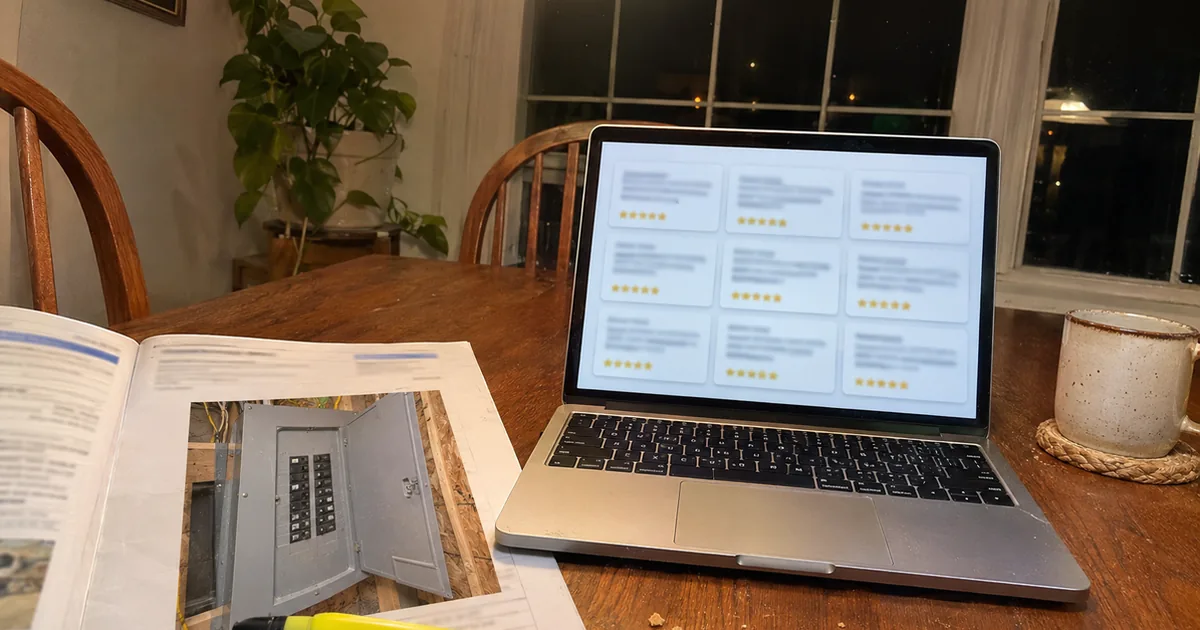
Choosing the company comes before every step above, and reading its reviews with the right questions is part of that choice.
After the appointment, here is how to ask the seller to address what the report found.
When the report arrives, run each finding through five questions before it goes in a request.