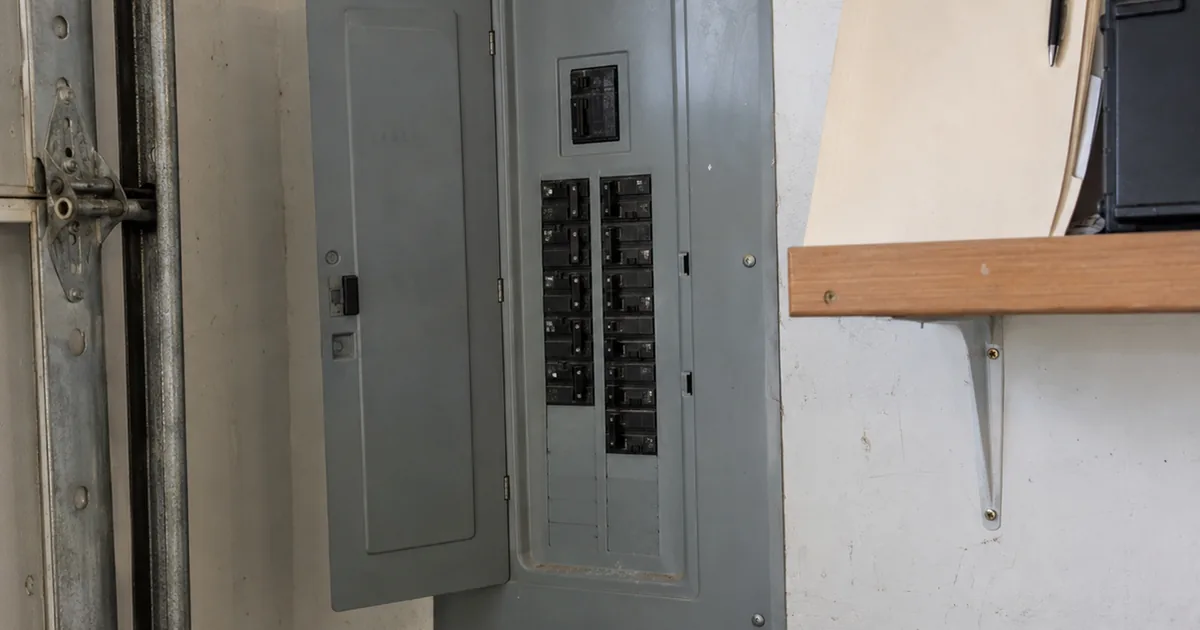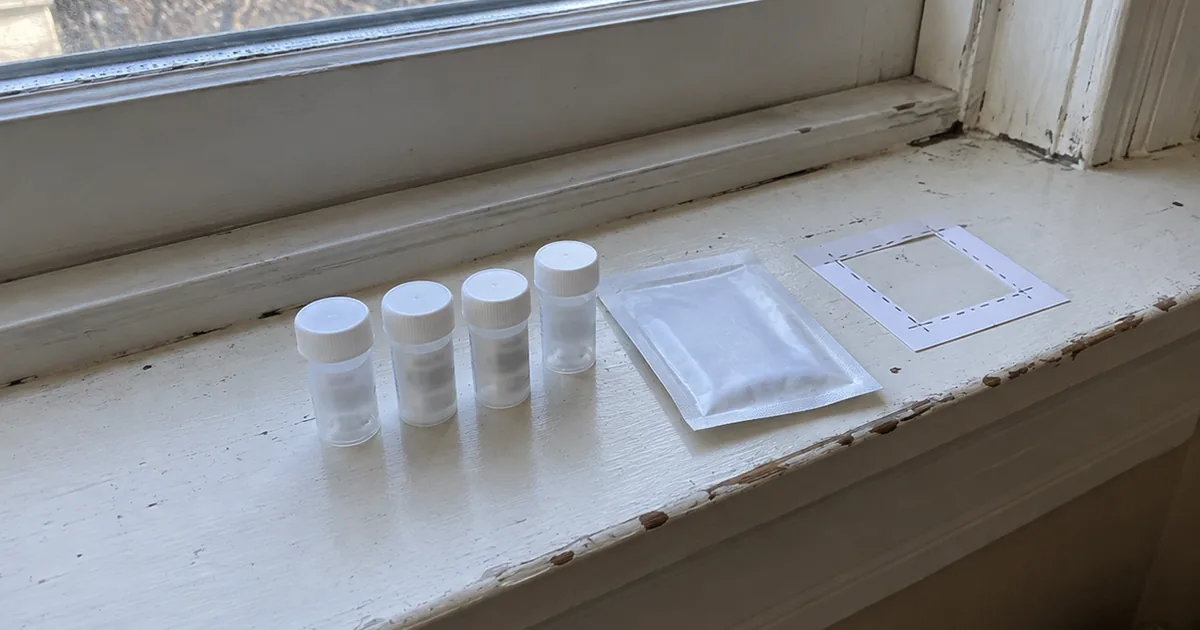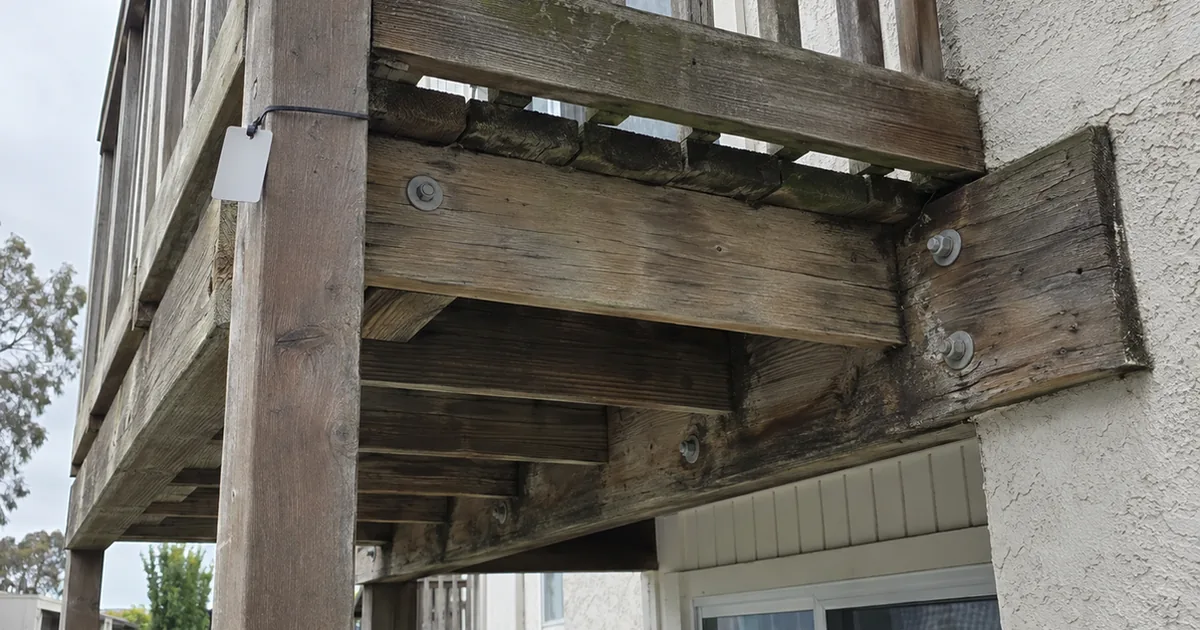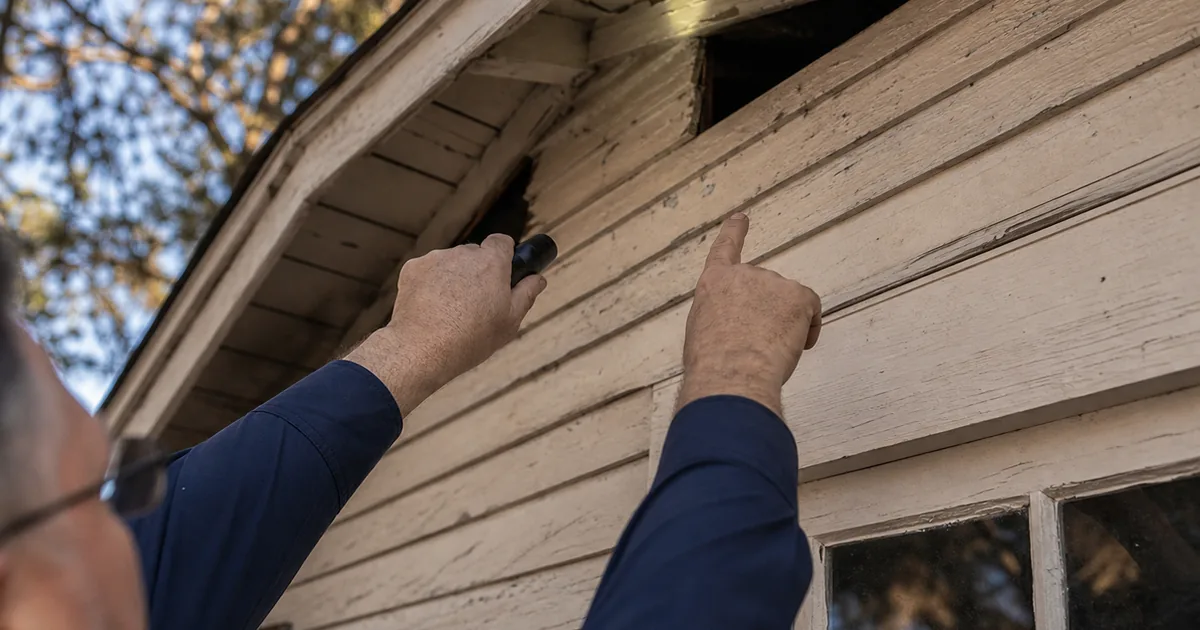
On a village-core Craftsman that a buyer had already fallen for, the charm and the risk were the same features. Original wood siding, deep open eaves with exposed rafter tails, unscreened attic vents, a wood porch, and mature foundation plantings right against the wall. It was a beautiful century-old home. It was also built in every way that a wind-driven ember likes.
This is the Sierra Madre tension. The town is one of the oldest in the San Gabriel Valley, full of early-1900s cottages and Craftsman homes, and it sits directly against the Angeles National Forest in mapped wildland-urban interface. The 2025 foothill fires made the exposure impossible to ignore. The same details that make these homes worth buying, the wood, the eaves, the porches, are the details that fire hardening is designed to address.
This guide is for the agent selling in the foothills. Here is what fire hardening actually means on an old home, what the coming Zone 0 rules will require, and how to guide a buyer or seller through it without either panicking or ignoring it.
Why this matters for the agent
Here is what is at stake. Most homes lost in wildland-urban interface fires are not overrun by a wall of flame. They ignite from embers, wind-carried firebrands that land on a roof, drift into a vent, or catch dry material against the wall of the house, sometimes well ahead of the fire front. That means the structure’s own details, its roof, vents, eaves, siding, and the first five feet around it, decide a lot about whether it survives.
For your buyer or seller, fire hardening now touches insurance, disclosure, and a set of state rules that are tightening. Some carriers are underwriting on hardening features. California already requires defensible space, and a new ember-resistant zone rule is on the way with real deadlines. An agent who can talk about this accurately on a historic home, without scaring a buyer off the character or pretending the risk is not there, is genuinely useful. The agent who ignores it leaves the client exposed on insurance and on the eventual fire.
What fire hardening means on an old home
Fire hardening is the set of building features that resist ignition. On a new home in the wildland-urban interface, California’s building rules already require them. The problem in Sierra Madre is that most of the housing predates those rules by decades, so the hardening has to be added to a home that was never built for it.
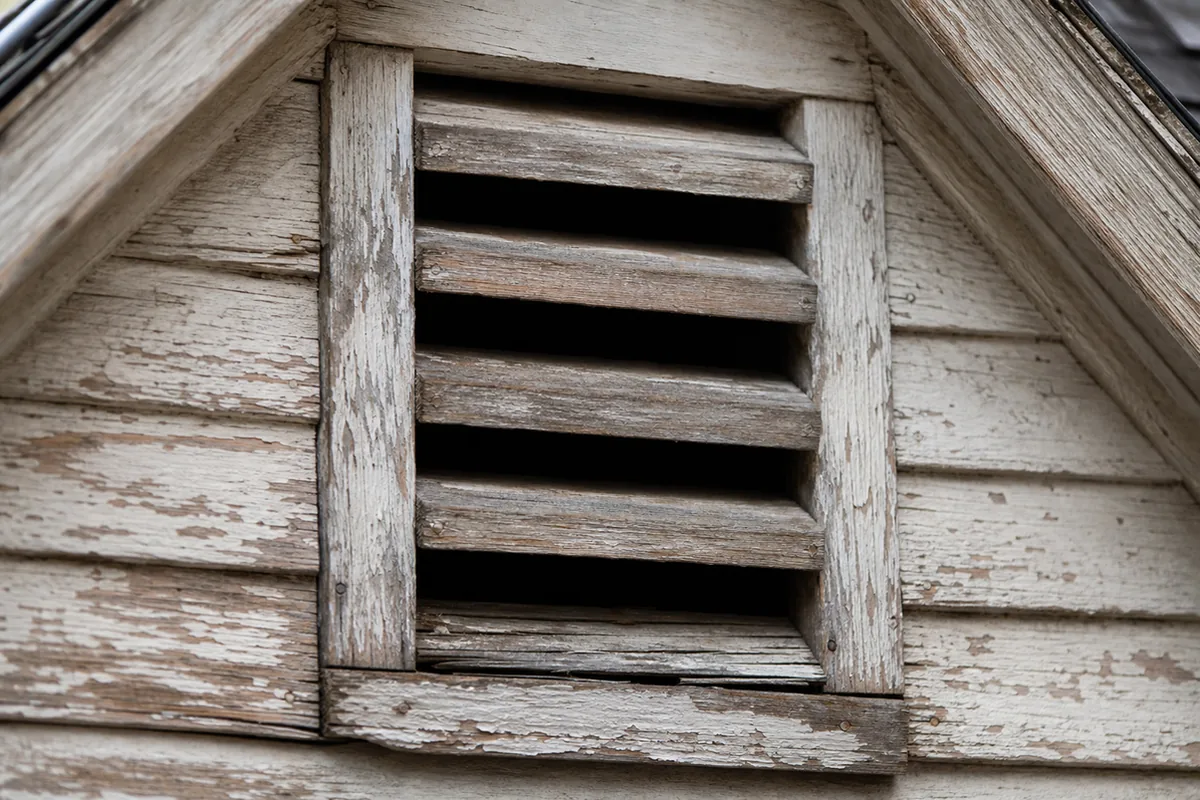
The high-value items on an old home are consistent. The roof is first, because it is the biggest ember target, and old wood-shake roofs are the worst case. Vents come next, since embers drift into unscreened attic and foundation vents and ignite the home from inside; fine metal mesh screening is the fix. Then the eaves and the underside of the roof, where open, exposed framing catches embers that boxed-in eaves would shed. Siding, decks, and porches made of untreated wood are fuel against the structure. And windows matter, because single-pane glass, common on these homes, breaks under radiant heat and lets embers inside. None of this means gutting the character. It means knowing which features carry the risk so a buyer can plan and a seller can disclose. The same pre-1978 vintage often brings lead paint into the older-home conversation as well.
The Zone 0 rules that are coming
Agents should have this on their radar, because it changes the conversation on foothill homes. California law requires defensible space around homes in fire-prone areas, currently out to 100 feet in the two managed zones, under Public Resources Code 4291. That is already in effect and enforceable, and our Wildomar defensible space guide walks through how it plays out in escrow.
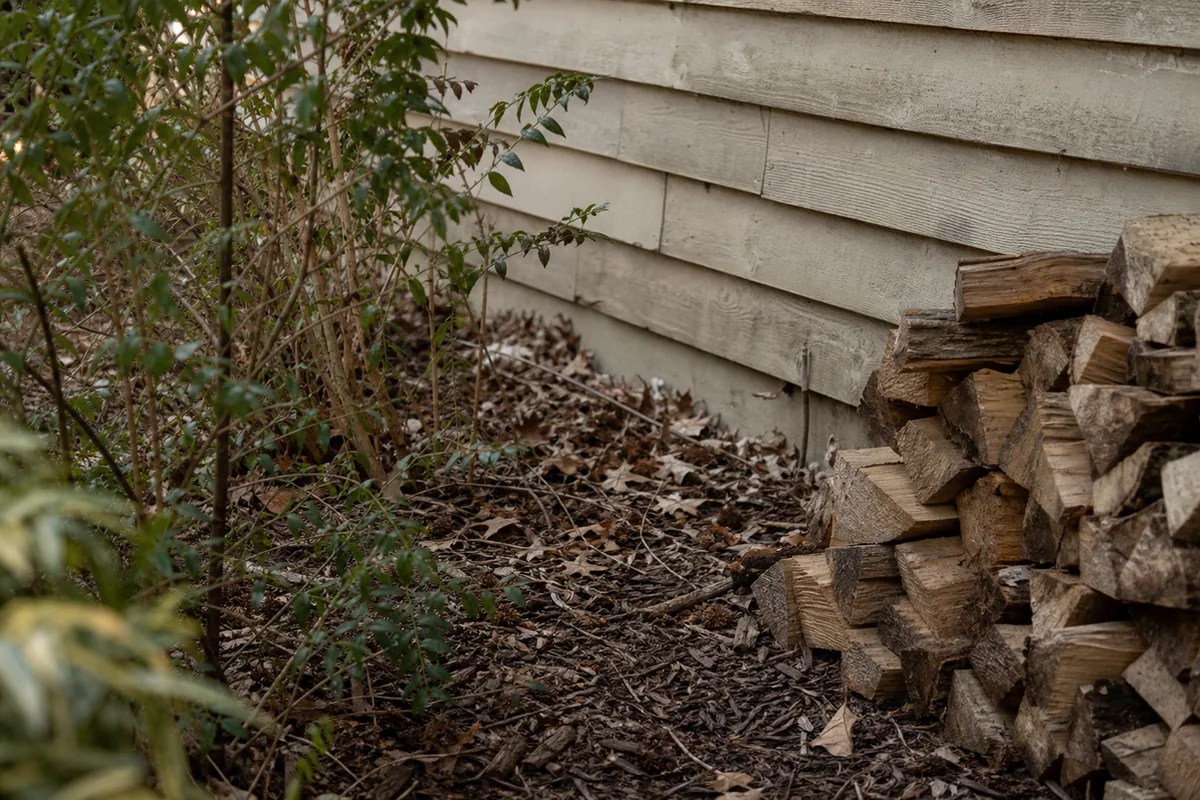
What is new is Zone 0, the ember-resistant zone in the first five feet around the structure, created by Assembly Bill 3074. The detailed regulations are still being finalized, and the compliance deadlines are set for the near future: existing homes in the highest fire hazard zones are looking at a January 1, 2027 deadline, with high-hazard zones following in 2028. When it takes effect, Zone 0 will call for keeping combustible materials, wood mulch, dense foundation plants, stored firewood, and similar fuels, out of that first five feet. On a historic Sierra Madre home with mature plantings hard against a wood wall, that is a real change, and it is worth flagging to a buyer now rather than after they own it.
What agents should tell every buyer
When a buyer is considering a historic foothill home in Sierra Madre, give them these points before they write.
- On a WUI home, the structure’s fire-hardening details matter as much as the systems. Ask what has been hardened and what is still original.
- The roof and the vents are the highest-value items. An old wood-shake roof and unscreened vents are the first things to understand.
- Defensible space is already the law here, and a new ember-resistant Zone 0 rule is coming with deadlines in the next couple of years. Plan for it.
- Insurance is tightening in the foothills. The buyer should talk to their insurer early, because hardening features and defensible space can affect availability and price.
- Hardening a historic home is very doable and does not require destroying its character, but it is a project to budget, not a weekend task.
- The home inspection documents the visible hardening features and the vulnerabilities. A fire-hardening or defensible-space specialist can build the full plan. Our what every inspection includes page shows the scope.
A buyer who hears this from you keeps the home they love and goes in with a clear plan, which is exactly what an agent is for.
Red flags during showings
You can read most of this from the curb and the yard. Watch for these.
- A wood-shake or wood-shingle roof, or a roof with heavy debris in the valleys and gutters.
- Open eaves with exposed rafter tails, and attic or foundation vents with no screening or coarse screening.
- Untreated wood siding, wood decks, and wood porches, especially where they meet the ground.
- Single-pane windows, which break under heat and admit embers.
- Dense plantings, wood mulch, or stored firewood right against the walls, inside that first five-foot zone.
- Combustible fencing that connects directly to the house and can carry fire to it.
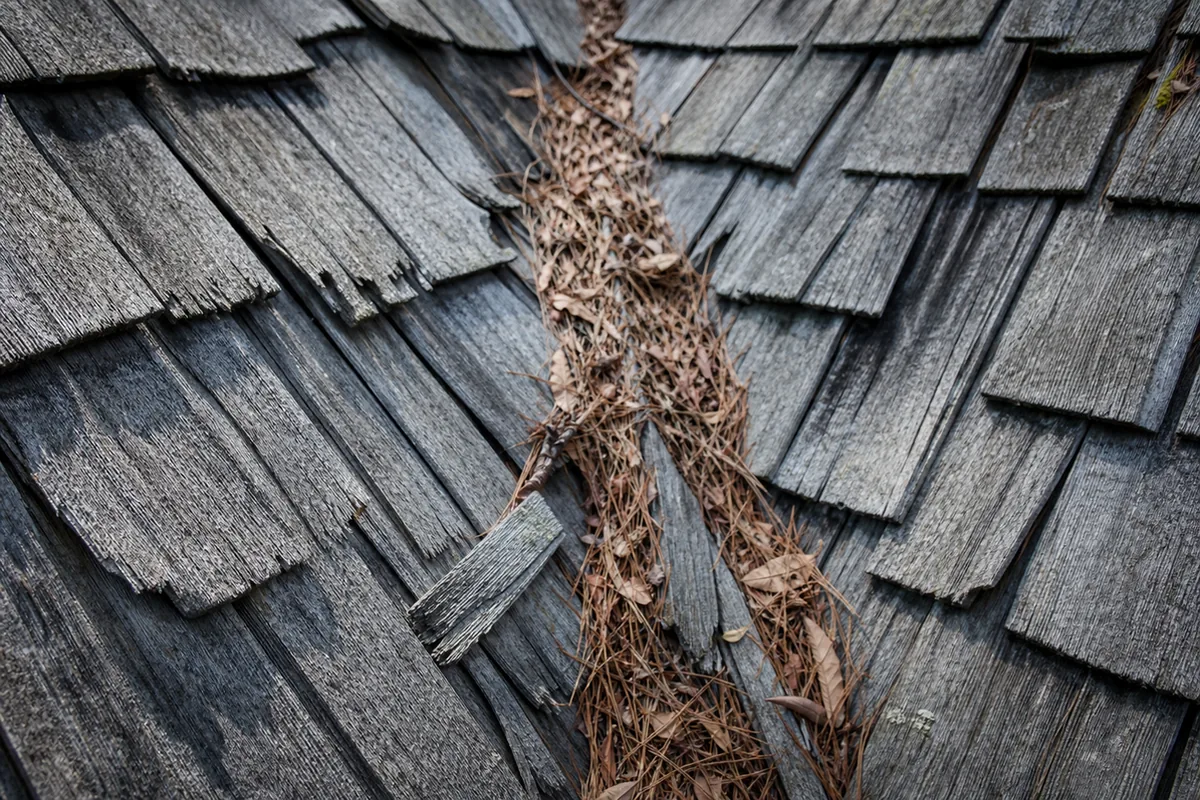
If we see these, we document them as fire-hardening vulnerabilities and point the buyer to the right specialist and disclosures.
The negotiation playbook
When fire-hardening gaps surface on a historic-home deal, the deal tends to move one of a few ways.
The first path is seller-hardens the high-value items. The seller replaces a wood-shake roof, screens the vents, and clears the ember zone before closing. This is cleanest and often the most valuable, because a hardened roof and screened vents also help the buyer’s insurance. Push for it when insurance is driving the timeline.
The second path is a credit with a specialist scope. The buyer takes a closing credit sized to a written hardening plan and does the work after closing on their own schedule. This works when the buyer is comfortable managing it. Size the credit to the specialist’s plan, and prioritize roof and vents first. Remember that a roof’s real condition is often in the underlayment, not the surface, as our tile roof underlayment guide explains.
The third path is the insurance-driven timeline. If the buyer’s carrier requires certain hardening or defensible-space conditions to bind coverage, this becomes a scheduling problem. Either the seller completes the required items so the buyer can insure and close, or the parties extend. We do not pretend a credit alone satisfies a carrier’s condition.
The fourth path is walk-away. Occasionally a home combines a wood-shake roof, an unhardened structure, a tight canyon lot, and an insurance market that will not cooperate, and the buyer decides it is more than they want to take on. That is a legitimate call. We document what we found and when, and the decision is the buyer’s and their advisors’.
How the inspection actually catches it
Fire hardening sits naturally inside a careful inspection of an older foothill home, and we build it into the report. We document the roof covering and its condition, the eaves and whether they are open or boxed, the attic and foundation vents and their screening, the siding, decks, and porches, the window glazing, and the fuels and plantings in that first five feet around the structure. We note the wood-shake roofs and the unscreened vents plainly, because those are the items that matter most.
We use drone imagery to read the roof and the debris in the valleys and gutters, which is both a fire and a water issue, and thermal imaging inside for the moisture and electrical findings common in century-old homes, as our infrared scanning guide describes. What we do not do is write the defensible-space plan or certify compliance with the coming Zone 0 rules. That is a fire-hardening or defensible-space specialist’s role, and we point the buyer there. On the same foothill lots, post-fire debris flow and site drainage is the companion risk worth understanding. If we see something worth flagging, it goes in the report, and our how to read a home inspection report guide helps the buyer prioritize it.
Schedule a Sierra Madre inspection →
Quick FAQ
Do I have to harden a historic home, or is it grandfathered? Defensible space under state law applies regardless of the home’s age, and the coming Zone 0 ember-resistant rule is being written to apply to existing homes on a deadline, not just new construction. Building-material rules like the wildland-urban interface code apply mainly to new work and major changes, but the defensible-space and Zone 0 obligations reach existing homes. A buyer should plan to harden rather than assume the home is exempt.
What is the single most important thing to fix? Usually the roof and the vents. The roof is the biggest ember target, so a wood-shake roof is the top concern, and unscreened vents let embers into the attic. Fine metal mesh screening on vents is a high-value, lower-cost item. A specialist sets the full priority list, and our inspection FAQ covers how we report these items.
When does Zone 0 take effect? The regulations are still being finalized, and compliance deadlines are set for the near future, with the highest fire hazard zones facing a January 1, 2027 deadline and high-hazard zones following in 2028. Because dates and details can shift as the rules are adopted, confirm the current status for the specific property.
Will fire hardening ruin the home’s character? No. Most hardening, screening vents, upgrading a roof, boxing eaves, clearing the ember zone, keeps the home’s look while removing the vulnerabilities. It is about materials and clearances, not gutting the architecture.
Does the inspection cover fire hardening? We document the visible hardening features and vulnerabilities, roof, vents, eaves, siding, glazing, and the ember zone, and flag the high-risk items in the inspection report. We do not certify defensible-space compliance or write the plan. For that we point to a specialist and the state resources.
The honest summary
Sierra Madre’s historic homes are worth what buyers pay for the character, and that same character, the wood, the open eaves, the porches, is what fire hardening addresses. The town sits in the wildland-urban interface, the state’s rules are tightening with Zone 0 on the way, and insurance is getting harder in the foothills. None of that should push a buyer off a beautiful old home. It should send them in with a hardening plan, starting with the roof and the vents, and a clear-eyed read on insurance.
We will document the hardening and the vulnerabilities honestly, tell your buyer what the home is working with, and point them to the right specialist. That is the job. We also inspect the neighboring foothill communities, including Pasadena, La Cañada Flintridge, and Arcadia. For a coastal hillside carrying its own documented ground-movement history, see our La Jolla Mount Soledad landslide guide. And for another historic district where preservation rules shape what a buyer can change, our Old Towne Orange preservation district guide walks the same pre-1940 systems conversation. And the single cheapest ember-control item on any older home, the spark arrestor at the top of the chimney, gets its full treatment in our Brentwood masonry fireplace guide.
One structural note on why the hardening rules keep moving while much of the rest of the residential code has stopped: home hardening and wildland-urban interface standards are express exceptions to California’s freeze on new residential building standards, which we cover in California froze residential building standards until 2031.
See what every inspection includes → · Explore Sierra Madre home inspections →