An industry update from Inspection.re, premium home inspections across California.
Anyone who has installed rooftop solar, a heat pump water heater, or a battery storage system in California knows the last step in the process: waiting for a city or county inspector to physically show up, sign off on the permit, and let the system go live. That wait, sometimes days, sometimes weeks depending on the jurisdiction’s backlog, has been a persistent friction point in the state’s push toward electrification. A bill that just cleared the Legislature aims to shorten it by letting some of those inspections happen over video instead.
Assembly Bill 1738, the State Housing Law’s remote inspections measure, passed the Assembly on a 62 to 0 vote in May 2026 and the Senate 29 to 6 in August, with the Assembly concurring in Senate amendments on August 24 by a 68 to 0 vote. It was enrolled and presented to Governor Newsom’s desk on August 28, 2026. As of this writing, it has not yet been signed. Under the California Constitution, the Governor has until the end of September to sign it, let it become law without a signature, or veto it. We will update this article once its status is final. Nothing here should be read as describing current law until that happens.
Here is what the bill would actually require, why it matters for anyone with a solar, battery, or heat pump project underway, and where an inspector’s own judgment, in person or on video, still cannot substitute for opening something up and looking directly.
What AB 1738 would require
The bill amends the State Housing Law to require local building departments, cities, counties, and charter cities, to offer homeowners and contractors the option of a remote inspection for a defined set of residential projects on single-family and two-family dwellings. The homeowner or contractor could choose remote inspection over an in-person visit; it would not be mandatory, and a jurisdiction could not require it either.
The projects covered under the bill’s text include:
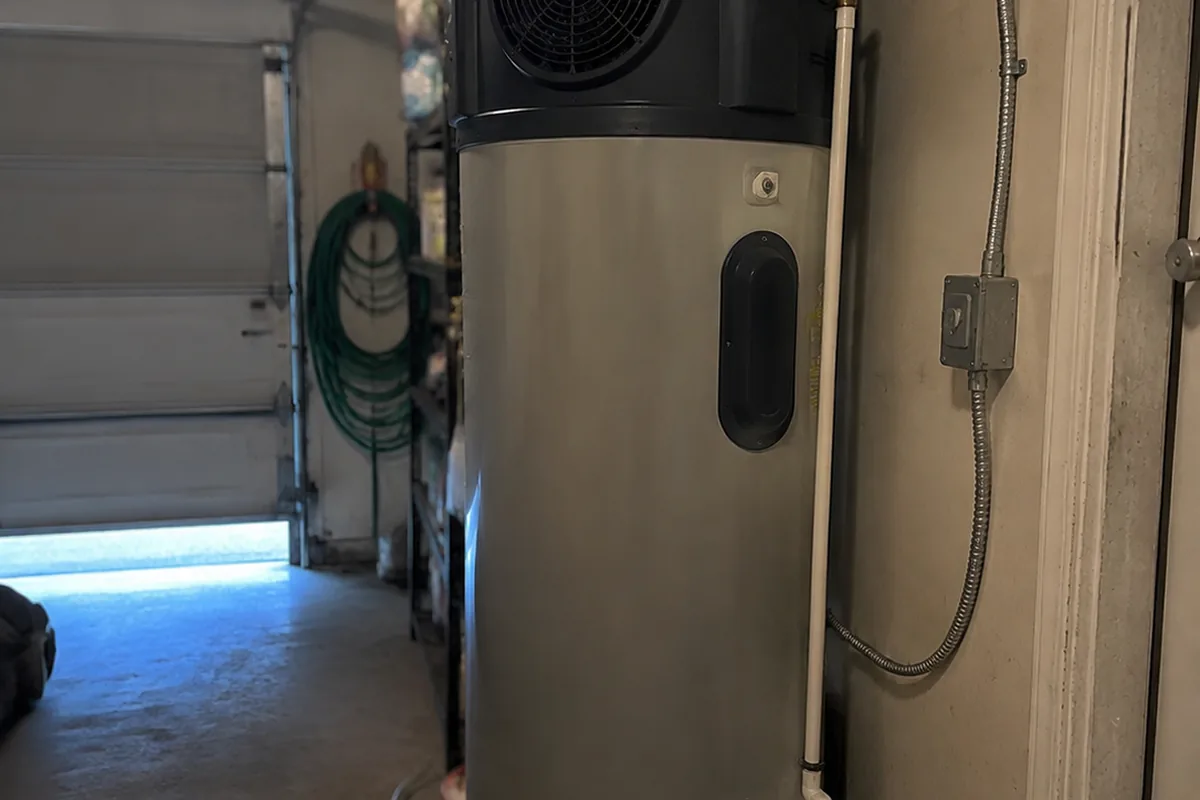
- Heat pump water heaters, including associated electrical work, but excluding main electrical service panel upgrades
- Heat pump HVAC systems, again excluding main service panel upgrades, and subject to the inspector’s discretion to require an in-person visit instead
- Residential reroofing
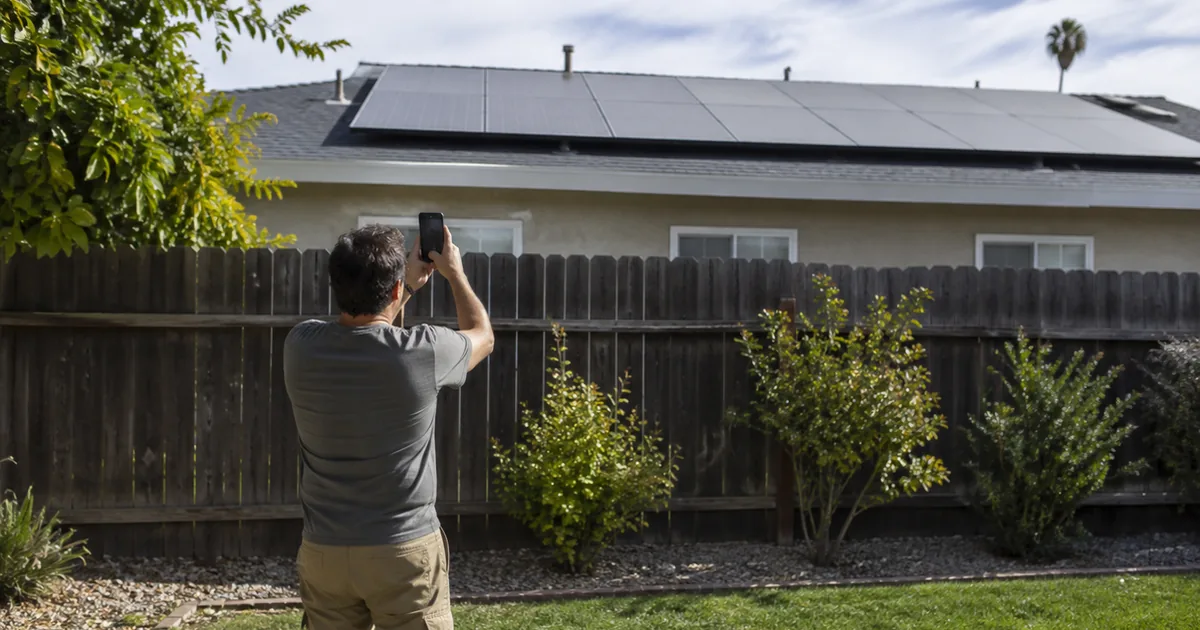
- Rooftop photovoltaic solar systems rated at 15 kilowatts AC or smaller
- Battery energy storage systems
- Smoke and carbon monoxide detector installations
Under the bill, a remote inspection would be conducted using videoconferencing or a combination of live video and photos and recorded video submitted by the homeowner or contractor, at the inspecting jurisdiction’s discretion over the exact method. The inspector retains authority to require an in-person inspection instead if the remote method does not give them what they need to verify the work, and a jurisdiction can suspend a specific contractor’s or homeowner’s access to remote inspections if it finds the work was willfully misrepresented.
Two provisions matter for cost and pace. The bill specifies that a remote inspection cannot cost more than an equivalent in-person inspection, and cannot take longer to schedule or complete. And it phases in the requirement rather than mandating it immediately everywhere: smaller jurisdictions, cities under roughly 5,000 in population and counties under roughly 150,000, are exempt outright, larger small cities have until July 1, 2028 to comply, and all other covered jurisdictions have until January 1, 2028.
Why this bill exists
California has spent the last several years pushing hard on residential electrification: heat pump water heater and HVAC incentive programs, faster rooftop solar permitting under existing state solar-permit statutes, and a growing base of battery storage installations tied to time-of-use rate plans and wildfire-driven grid reliability. Permit and inspection backlogs have been one of the more persistent bottlenecks in that push, especially in jurisdictions where a single building department covers a large area and in-person inspection slots book out for days or weeks.
Solar permitting in particular already has a state framework behind it. California’s existing solar permitting statutes have pushed cities toward standardized, expedited review for smaller residential systems for years. AB 1738 extends that same logic, faster processing without sacrificing verification, to the physical inspection step itself, and broadens it to heat pump equipment and battery storage, two categories that have grown quickly as incentive programs and utility rate structures have made them more attractive to homeowners.
Trade coverage of the bill through the solar and clean-energy press has framed it plainly as a cost and speed measure for rooftop solar and storage installers, who have pushed for faster permit-to-inspection turnaround for years as a real driver of installed project cost. The building and safety community’s involvement in shaping the bill’s exemptions, including the inspector’s discretion clause and the local jurisdiction’s ability to suspend remote access for bad actors, reflects the pushback that typically accompanies any proposal to inspect something less than fully in person.
What remote inspection is not
It is worth being precise here, because “remote inspection” invites an assumption that inspection rigor is being traded for speed. The bill’s text does not support that reading, and the exemptions built into it are the reason.
A remote inspection under AB 1738 is not a self-certification. The inspector of record still reviews the work, whether over live video or recorded photo and video documentation, and can require an in-person visit at their own discretion if what they see is not sufficient to sign off. The bill explicitly preserves the inspector’s authority to decline the remote option case by case.
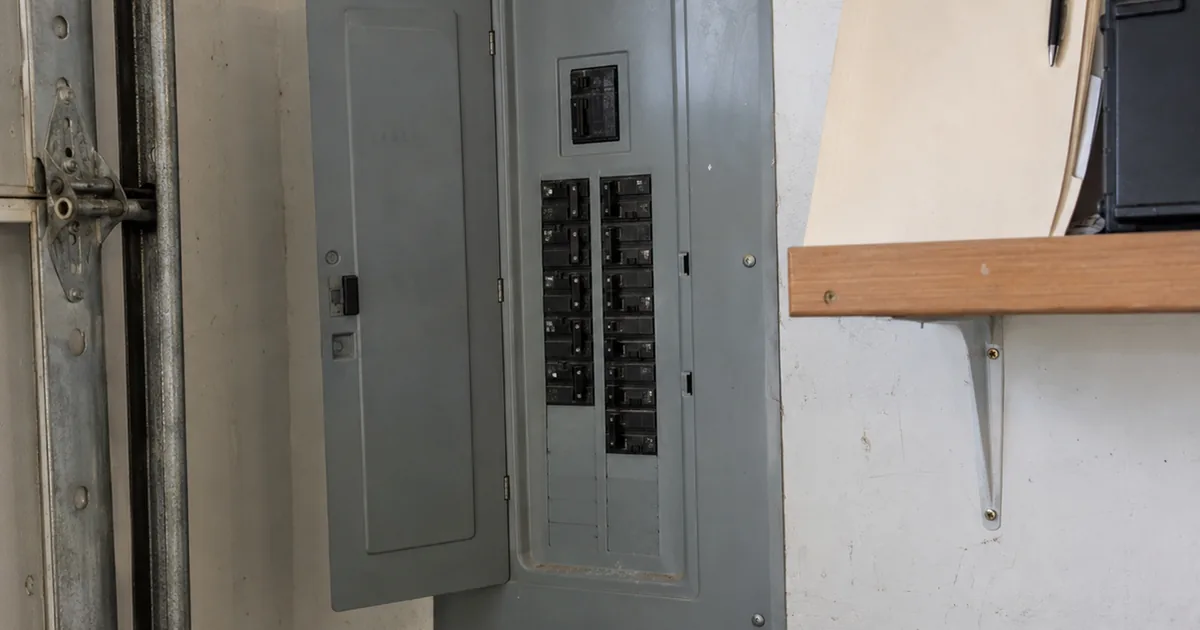
It is not available for main electrical service panel upgrades, one of the higher-risk categories of residential electrical work, even when that panel work is directly related to a covered heat pump project. A homeowner adding a heat pump water heater that also requires a panel upgrade would still need the panel portion inspected in person under the bill as written.
And it does not remove local jurisdictions’ authority to flag a bad actor. A contractor or homeowner found to have misrepresented completed work over a remote inspection can be temporarily barred from using the remote option going forward, which keeps a real consequence attached to gaming the system.
What this means if you have a project in progress
If you are mid-installation on a heat pump water heater, solar array, or battery system in a California jurisdiction right now, AB 1738 would not apply to your current permit even if signed, since it phases in on a jurisdiction-by-jurisdiction timeline running through 2028, and your local building department’s existing inspection process is what governs your project until then. It is worth asking your contractor or your building department directly whether they have already started piloting remote inspection options ahead of any statewide mandate. Some larger California jurisdictions have run local remote-inspection pilots for smaller electrical and mechanical permits for a few years now, independent of this bill, and your project may already qualify under a local program even before any statewide requirement takes hold.
Where a home inspection still means something different
It is worth drawing a clear line here, because building-permit inspections and a private, buyer-ordered home inspection are two different things that happen to share the word “inspection.” A jurisdiction’s remote sign-off on a heat pump water heater permit tells you the installation met code at the moment of inspection. It does not tell a future buyer how that unit is performing two, five, or ten years later, whether the venting has developed a leak, or whether the electrical connections behind the unit have loosened with age and use.
At Inspection.re, our inspectors physically examine water heaters, HVAC equipment, solar tie-ins, and battery storage installations as part of a full home inspection, checking mounting, venting, electrical connections, and, with our standard infrared thermal scanning, looking for the kind of hot connection or moisture intrusion around equipment that a permit sign-off years earlier would have had no way to predict. A permit closed on video or in person tells you the installation passed on day one. An inspection tells you how it is holding up now. For a deeper look at how that scope works for solar specifically, see our guide on solar retrofit roof inspections in Chula Vista, and for how our thermal scanning catches equipment issues a visual check alone would miss, see why infrared scanning matters in California homes.
How this fits into California’s broader permitting picture
AB 1738 is part of a longer-running pattern in California permitting policy: standardize and speed up the process for smaller, lower-risk residential energy projects while keeping the tools in place to catch bad work. The state’s existing solar permitting statutes did this for expedited plan review years before this bill. Cities have separately experimented with online plan submission and virtual pre-inspection consultations for smaller mechanical and electrical permits well before AB 1738 was introduced.
Building departments themselves have been vocal on both sides of this trend in public comment on the bill. Supporters point to real installer and homeowner cost savings from fewer scheduling delays, particularly in larger counties where a single inspector may cover dozens of jurisdictions worth of geographic area. Building officials who raised concerns during the bill’s committee hearings focused mainly on the discretion clause, whether individual inspectors would have enough support and training to exercise it consistently, rather than opposing the underlying concept.
Frequently asked questions
Will remote inspection cost homeowners more? No. The bill specifies that a remote inspection cannot be priced higher than an equivalent in-person inspection by the same jurisdiction.
Can a contractor force a homeowner into a remote inspection to save time? No. The bill frames remote inspection as an option the homeowner or contractor can request, not something a jurisdiction or contractor can impose. An inspector can also decline the remote method and require an in-person visit at their discretion.
Does this apply to a full home addition or a whole-house electrical panel replacement? No. The covered categories are specific: heat pump water heaters, heat pump HVAC (excluding main panel upgrades), reroofs, solar systems 15 kilowatts AC or smaller, battery storage, and smoke and carbon monoxide detectors. Larger structural, electrical service, or addition permits are not covered by this bill’s remote inspection option.
What to watch for next
A few things to track if this bill matters to your project or your business:
- The Governor’s decision. AB 1738 must be signed, allowed to become law without signature, or vetoed by the end of September 2026. We will update this article once that happens.
- Local pilot programs. Several jurisdictions have already experimented with remote inspection for smaller permits ahead of any statewide requirement, and those programs are worth asking about directly if your project qualifies.
- How “inspector discretion” gets applied in practice. The bill leaves real judgment calls to individual inspectors and jurisdictions, and how consistently that discretion gets applied across California’s hundreds of building departments will shape how useful the option turns out to be for homeowners and installers.
The bottom line
AB 1738 targets a real, well-documented friction point in California’s electrification push: the wait between a completed heat pump, solar, or battery installation and the in-person visit that lets it go live. If signed, it would give homeowners and contractors an option, not a requirement, for a defined set of lower-risk residential projects, with real limits, main panel work stays in person, and real accountability, a jurisdiction can pull the option for anyone who misuses it. Whatever happens with the Governor’s signature, it does not change what a private home inspection is for. A permit inspection asks whether the installation met code the day it was signed off, and which code edition that was depends on the permit application date, as our guide to the 2025 California Building Standards Code explains. A home inspection asks how the whole house, including that equipment, is actually performing now. For the other 2026 change that turned an inspection observation into a written seller duty, see our guide to California’s thirdhand smoke disclosure law. For buyers evaluating a home with recently installed solar, a heat pump system, or battery storage, see our FAQ on what our inspection covers for that equipment specifically.
Schedule an inspection · See what’s included · Sample report · FAQ · Same-day report · Pay-at-closing available
This update is provided for general information and is not legal advice. AB 1738 had not been signed into law as of this article’s publish date; verify current status at leginfo.legislature.ca.gov before relying on it for a specific project. For inspection questions, our team is always glad to help.