Asbestos Cement Siding: What a Panorama City Agent Needs to Know
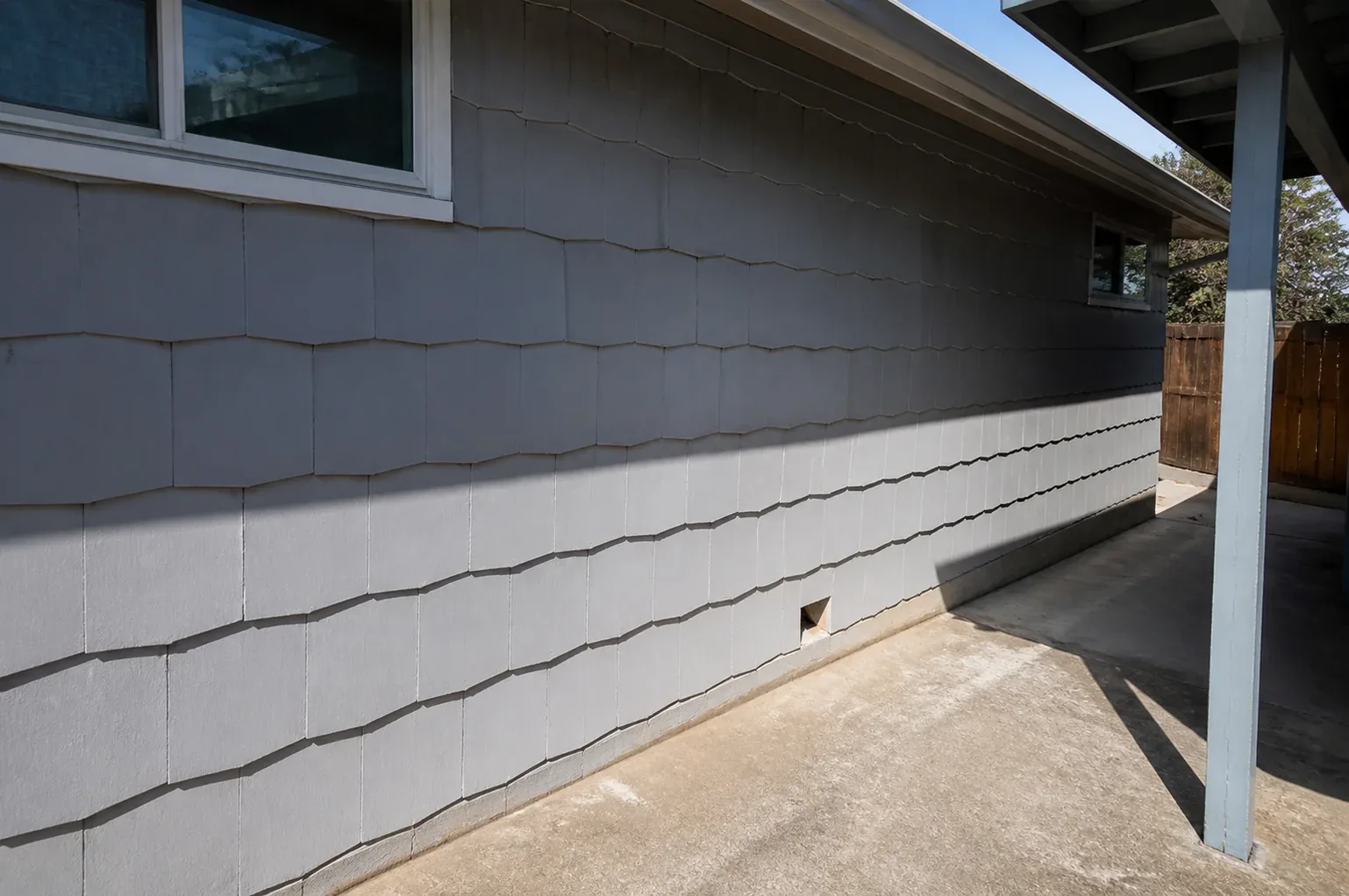
A buyer touring an original Kaiser-era ranch home on one of Panorama City’s meandering post-war streets ran a hand along the exterior wall near the carport and asked whether the siding was wood. It was not. Under the paint, the wall was a rigid, slightly wavy panel material, cool and dense to the touch in a way wood never is, laid in overlapping courses like shingles. It was asbestos cement siding, sometimes sold under the brand name Transite, a common exterior cladding on homes exactly like this one when Kaiser Community Homes built the neighborhood in the years right after World War II. The buyer’s agent had no idea what she was looking at, and neither did the buyer.
We are describing this as a composite of a pattern we see across Panorama City’s original post-war tract stock, not one identified property or job. Panorama City was built in a single concentrated push, roughly 1947 to 1952, by Kaiser Community Homes, a partnership between developer Fritz B. Burns and industrialist Henry J. Kaiser, on a master plan by the architectural firm Wurdeman and Becket that eventually called for more than 4,000 houses on meandering, pedestrian-friendly streets. It was the San Fernando Valley’s first large planned postwar community, and it landed on the calendar right in the years when asbestos-cement panel siding was a standard, fire-resistant, low-maintenance exterior product. That combination, a single-era planned tract built exactly when this material was common, is why a Panorama City agent needs a clear, accurate picture of what it is, how it behaves, and what an inspection actually documents about it.
This guide is for the agent working Panorama City and the surrounding communities we also serve, including Arleta, Sylmar, and Van Nuys, where original Kaiser-era and other post-war exterior cladding comes up often enough that agents deserve a straight answer about what a general home inspection can and cannot tell a buyer about it.
Why this matters for the agent
Panorama City’s housing stock is unusually concentrated in build era compared to most of the San Fernando Valley. Kaiser Community Homes built roughly 3,000 houses in about five years, mostly Ranch and Minimal Traditional designs financed through FHA and G.I. Bill loans, and a meaningful share of those original exteriors are still on the house today, sometimes under decades of repainting, sometimes visible where a later stucco or vinyl retrofit was never extended into a side yard or a rear wall. Asbestos-cement panel siding, a rigid cladding product combining Portland cement with asbestos fibers for reinforcement and fire resistance, was one of the most common siding materials installed during exactly this window, roughly the 1940s through the 1970s, before asbestos use in building products was phased out.
An agent who cannot recognize this material at a showing risks two different mistakes. The first is alarming a buyer unnecessarily over an intact, low-risk, manage-in-place condition. The second, more costly mistake is a buyer who plans a remodel, an addition, or a re-siding job without ever learning the exterior wall contains a material that requires licensed abatement handling once it is cut, sanded, or demolished.
What asbestos cement siding actually is, and how to recognize it
Asbestos cement siding is a rigid panel or shingle product made by combining Portland cement with roughly 10 to 15 percent asbestos fibers, most commonly chrysotile. The asbestos fibers gave ordinary cement sheet material tensile strength, dimensional stability, and genuine fire resistance it would not otherwise have, which is exactly why it was marketed as a durable, low-maintenance exterior cladding. Johns-Manville’s Transite brand, introduced in the 1920s, became the best-known name for the product, but numerous manufacturers made similar asbestos-cement siding and roofing shingles through the middle of the twentieth century. Usage peaked in residential siding applications through the 1950s and into the early 1960s, squarely inside Panorama City’s original construction window, before the material was phased out through the late 1970s and 1980s as asbestos health risks became widely understood and regulated. The panels came in a few common formats, flat or lightly corrugated sheets, and individual shingle-style units installed in overlapping horizontal courses, sometimes in a diamond pattern, sometimes rectangular, typically finished with a factory coating or left to be field-painted, and many have been repainted multiple times since original installation.
An inspector identifies suspect asbestos-cement siding visually, from a distance, without touching, scraping, or sampling the material. The cues to look for include a rigid, slightly wavy or perfectly flat panel or shingle pattern, distinct from the flexible profile of wood lap siding or vinyl, and a dense, dull, almost stony feel entirely unlike wood or vinyl. Individual shingle units are often uniform, machine-cut, and unusually crisp-edged compared to the more irregular grain and wear pattern of wood shingles or shakes. Some original panels still carry a faint factory stamp or embossed marking on the back or a concealed edge, visible only where a panel has come loose, never something an inspector goes looking for by prying material apart. A home with several different siding materials on different elevations, common where a later owner re-sided the street-facing wall in stucco or vinyl but never touched the side or rear walls, is a common tell in a Kaiser-era tract home.
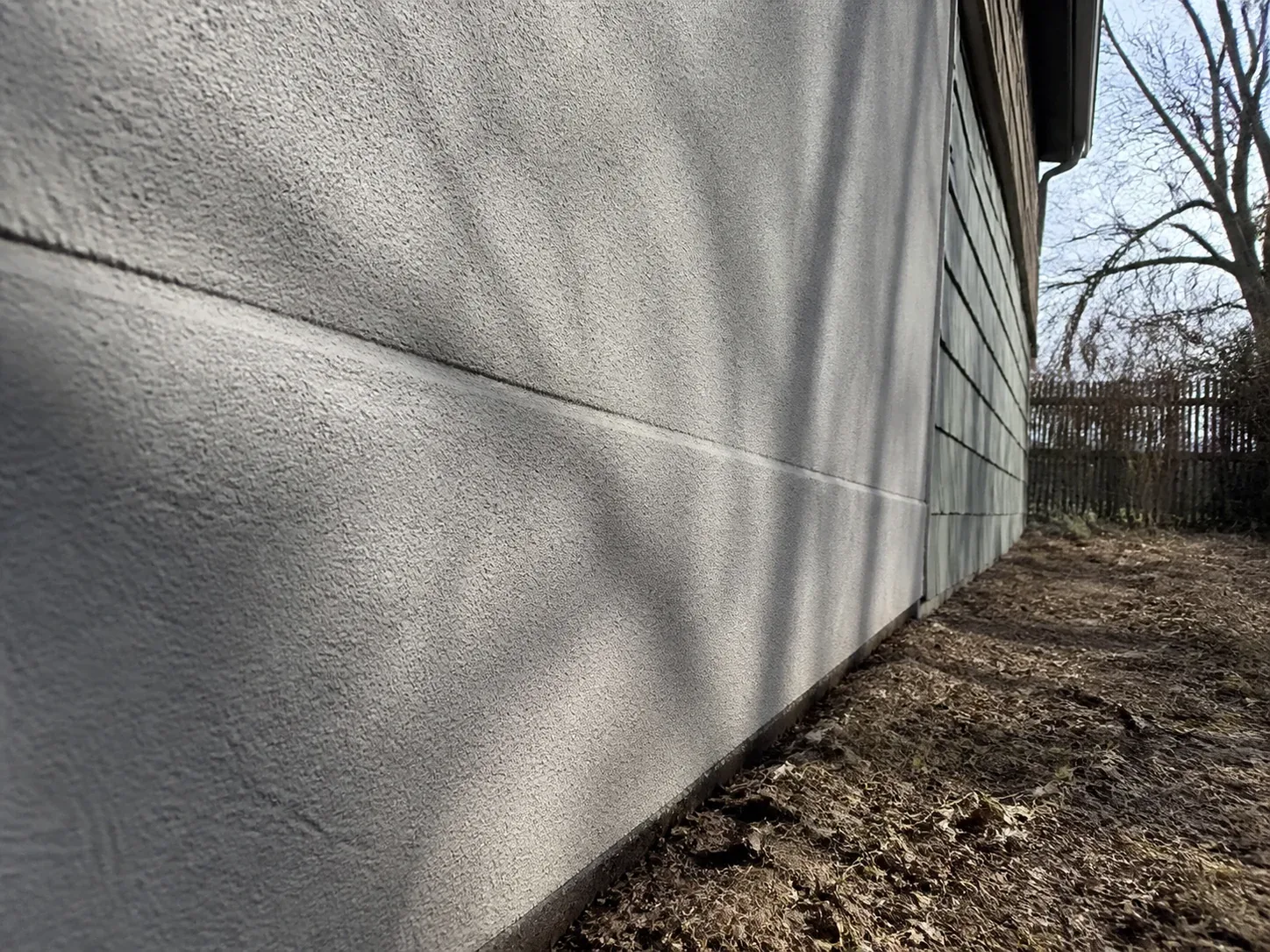
The asbestos fibers in this siding are bound inside a rigid cement matrix. When the panels are intact and undisturbed, the fibers are not being released into the air, and the material poses minimal risk simply sitting on a wall being weathered by rain and sun over the decades. This is the same basic principle that governs other asbestos-era materials, like the popcorn ceilings and duct wrap covered in our companion guide on Anaheim’s mid-century housing stock: the material itself is not the hazard, disturbance is. Cutting, sanding, drilling, breaking, or demolishing asbestos-cement siding is what releases fibers into the air, which is why the standard, responsible approach for intact panels in good condition is to leave them in place and manage them, not to remove them reflexively. None of the identification work above involves sampling, scraping a test patch, or drilling into the material. A visual, non-invasive assessment is the entire scope of what a general home inspection covers here.
What actually goes wrong, and what an inspector documents
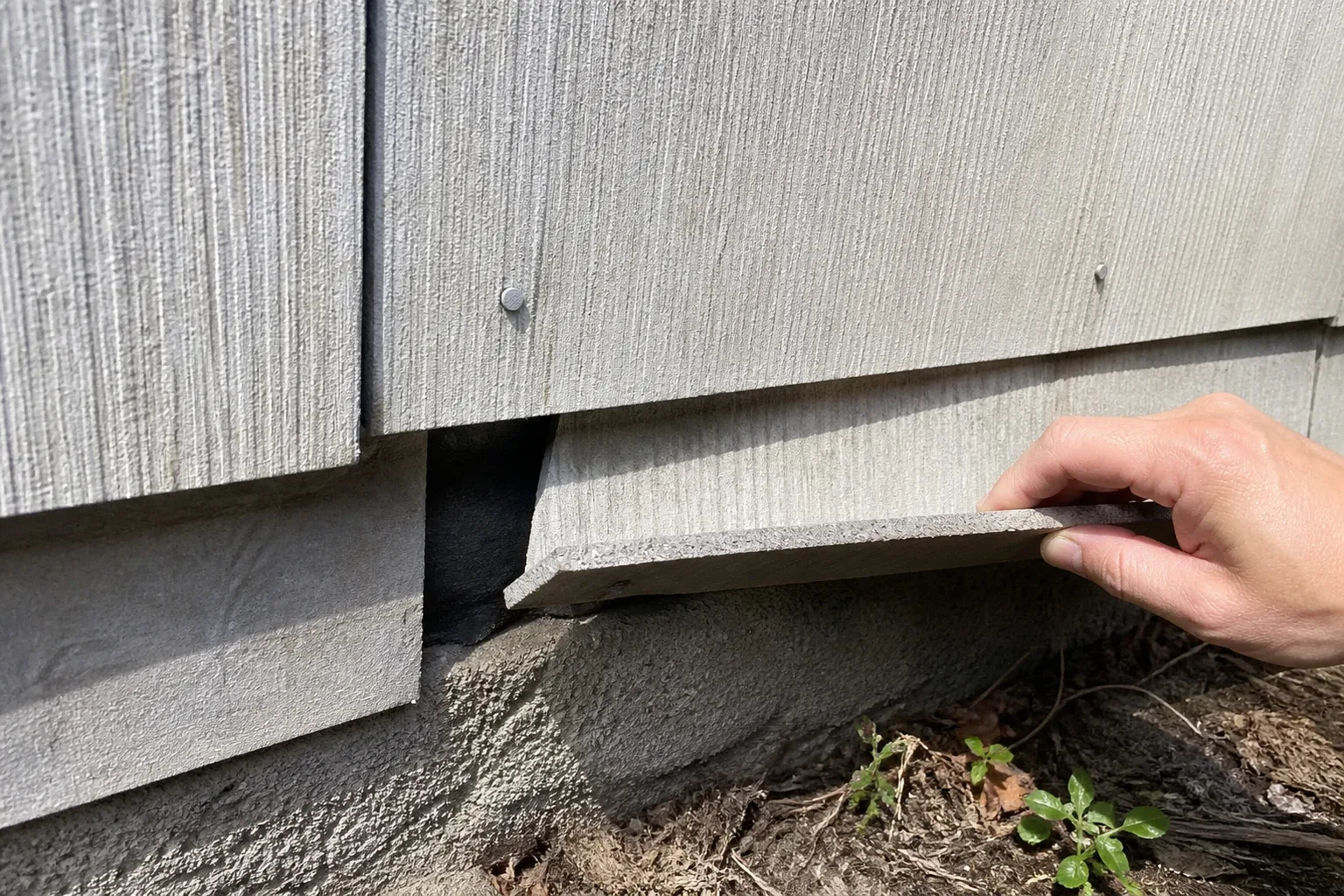
The defects an inspector actually flags on asbestos-cement siding are specific and visible, not conjectural. Cracked, broken, or spalling panels are the most direct concern, because a compromised panel can shed fragments and is more likely to release fibers if handled or if the damage worsens. Evidence of improper past cutting or drilling, a new electrical conduit run, a mounted light fixture, a satellite dish bracket, or a vent penetration installed straight through a panel without any apparent care for the material underneath, is a real finding, because it shows the material has already been disturbed at least once. Panels painted over repeatedly, sometimes a decade or more between coats, can mask early cracking or spalling that would otherwise be visible, so heavy paint buildup on suspect siding gets a closer look rather than an automatic pass. Loose, missing, or displaced individual shingle units, sometimes replaced with a mismatched patch material by a previous owner who did not know what they were working with, is another common Kaiser-era finding.
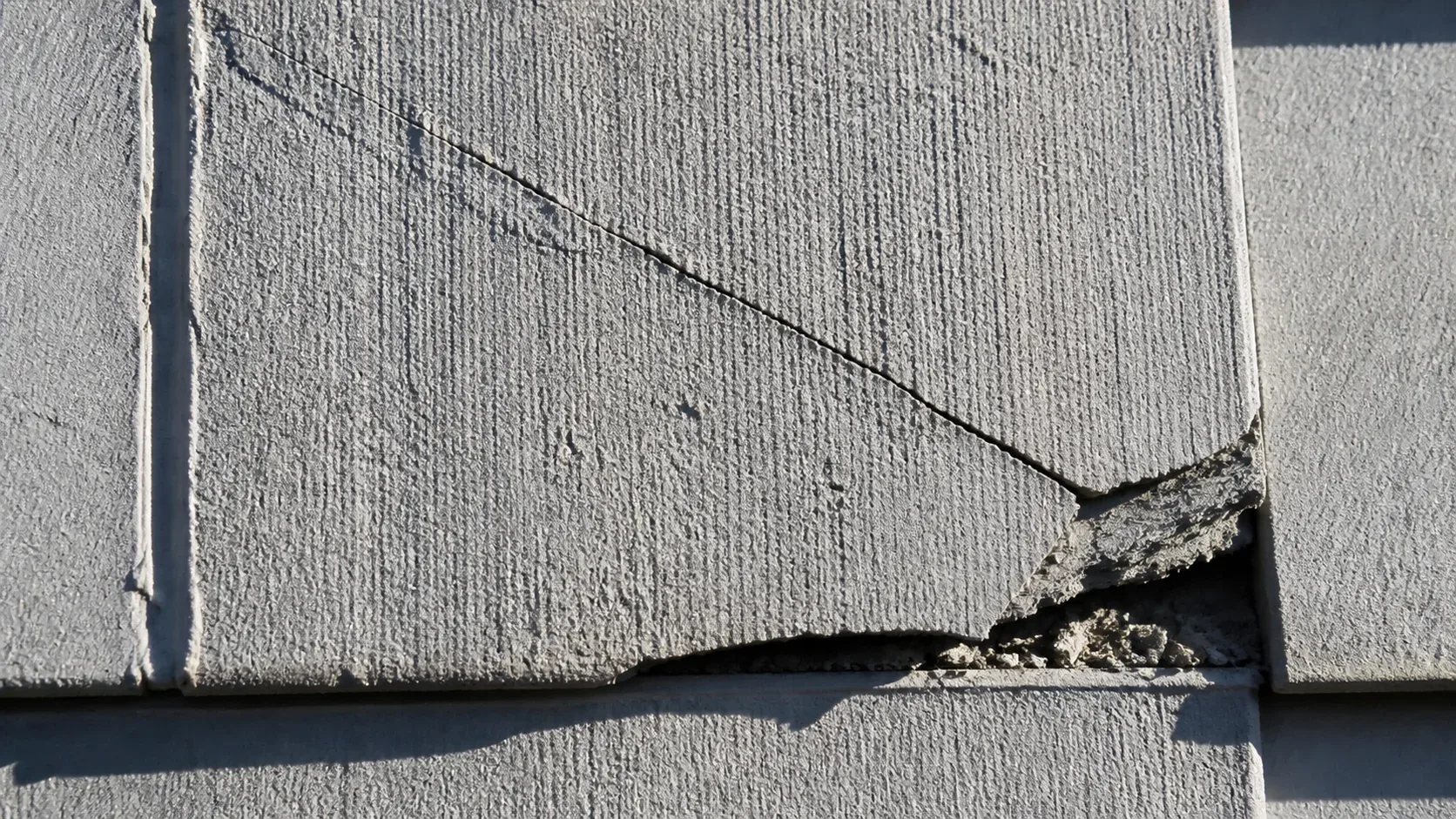
An inspector documents the location, extent, and visible condition of suspect material with photos, notes where it appears intact versus where it shows cracking, damage, or evidence of past disturbance, and states plainly in the report that visual identification is not laboratory confirmation. What an inspector does not do is sample the material, disturb it to check underneath, or render a certified determination that a given panel does or does not contain asbestos. That distinction is not a technicality. It is the line between a general home inspection and a specialized environmental assessment, and blurring it puts both the inspector and the buyer in a worse position.
Working a listing with original Kaiser-era exterior siding, or unsure what’s under the paint on a Panorama City property? Schedule a same-day Inspection.re inspection and get a same-day report your buyer can actually act on, plus a free re-inspection if anything needs a second look.
What agents should tell every buyer
- This is a documentation issue, not a defect in the way a cracked foundation is. Intact asbestos-cement siding in good condition is a normal, manageable condition on a home of this era, not a reason to walk away.
- A home inspector identifies suspect material visually and documents its condition. A home inspector does not sample, test, or confirm asbestos content. Only a certified environmental consultant and an accredited lab can do that.
- The real cost driver is the buyer’s own renovation plan. A buyer who intends to re-side, add on, or otherwise cut into the exterior wall should budget for testing and, if confirmed, licensed abatement, before the work starts, not after a contractor already has a saw running.
- Cracked or damaged panels deserve a closer look and, in many cases, a referral to a licensed asbestos professional for evaluation, even if the buyer has no immediate renovation plans, because damaged material is the scenario most likely to shed fibers over time.
- Multiple siding materials on one house, stucco on the front, older panel siding on a side or rear wall, is common on Kaiser-era tract homes and is worth pointing out during a showing rather than letting a buyer discover it later.
- This is specifically the exterior wall cladding. It is a different material and a different NACHI subject from the broader mix of mid-century asbestos-era materials, popcorn ceilings, floor tile, and duct wrap, covered in general terms in our companion guide on Anaheim’s mid-century asbestos-era materials, and it has nothing to do with wood siding on a different building entirely.
Red flags during showings
- Rigid, slightly wavy panel or shingle siding on any wall, especially side and rear elevations that were never updated
- Visible cracking, chipping at panel edges, or small missing corners
- A conduit, fixture, vent, or bracket drilled straight through the siding with no apparent care taken
- Heavy, repeated paint buildup that could be masking older damage
- Mismatched patch material where a shingle unit is clearly missing or replaced
- Any loose or displaced panel that has come away from the wall
The negotiation playbook
Path one, intact and undamaged. If the visible siding is intact, with no cracking or damage found, the standard approach is to note it in the report as a condition of the era to manage in place, with no repair credit expected and no renovation plan disturbed by it today.
Path two, damaged panels found. If cracked, spalling, or displaced panels are documented, the negotiation conversation is a referral to a licensed asbestos abatement contractor for evaluation and, if warranted, a repair or encapsulation estimate before removing any credit request from the table.
Path three, buyer plans to renovate or re-side. If the buyer already intends to add on, re-side, or otherwise disturb the exterior wall, the conversation moves to budgeting for testing and, if confirmed, licensed abatement as part of the project cost, not as a surprise discovered mid-demolition.
Path four, seller has prior abatement or testing records. If the seller has documentation of prior testing, encapsulation, or partial abatement, that documentation belongs in the buyer’s file and should inform how the buyer plans any future work on that section of the home.
How the inspection actually catches it
A general home inspection covers the exterior cladding visually on every elevation the inspector can safely access, same as any other exterior material. On a Kaiser-era Panorama City property, that means walking the full perimeter, not just the street-facing elevation a buyer sees first, and specifically checking side and rear walls where original material is more likely to have survived untouched. The inspector photographs and describes what is found, flags any damage or evidence of disturbance, and states clearly that visual suspicion is not laboratory confirmation. Where damage or a planned renovation raises the stakes, the report recommends a licensed asbestos consultant for sampling and, if needed, a certified abatement contractor for any remediation, the same referral pattern used for any other specialized environmental question outside a general inspection’s scope.
Quick FAQ
Is asbestos-cement siding dangerous just sitting on the wall? Generally no. Intact material with the fibers bound in the cement matrix poses minimal risk when undisturbed. The risk comes from cutting, sanding, drilling, or demolishing it.
Can a home inspector tell me for certain if my siding contains asbestos? No. A home inspector can identify suspect material visually based on its appearance and the home’s build era, and document its condition, but only a certified lab test can confirm asbestos content.
Does finding this siding mean I should walk away from the house? Not on its own. It is a common, manageable condition on homes of this era. The decision point is what you plan to do to the exterior, not whether the material exists.
What does it cost to deal with? We don’t quote abatement or testing pricing here, since it depends on the scope of the work and the specific contractor, but a licensed asbestos professional can provide an estimate once the extent of the material and the renovation plan are known.
Is this the same thing as the asbestos issues in other mid-century California homes? It is the same underlying material category, asbestos-era building products, but a different specific product with a different location on the home. Popcorn ceilings, floor tile, and duct wrap, covered in our Anaheim guide, are interior materials. This is the exterior wall cladding.
The honest summary
Asbestos-cement siding on a Panorama City Kaiser-era home is a condition of the era, not a defect in the way a leaking roof or a cracked foundation is. Intact and undisturbed, it is generally low risk and can be safely managed in place. The real questions are whether the panels are damaged, whether the buyer plans a renovation that will disturb them, and whether that plan accounts for licensed testing and abatement if needed. A general home inspection documents what is visible and routes the rest to the right specialist. It does not sample the material, and it should not be expected to.
See what every inspection includes → · Read our FAQ → · Explore Panorama City home inspections →
Related reading
- Asbestos in Anaheim’s Mid-Century Homes: An Agent’s Guide. Interior mid-century asbestos-era materials, popcorn ceilings, floor tile, and duct wrap, a different set of materials than this article’s exterior wall cladding.
- Unpermitted Additions and Garage Conversions in Van Nuys. The permit and legal-square-footage side of remodeling an older tract home, a companion concern for a buyer planning renovation work.
- Wood Shake Roofs: What a Bonsall Agent Needs to Know. A different aging exterior material with its own service-life and fire-risk questions.
- Why Infrared Scanning Matters in California Homes. How thermal imaging helps document hidden moisture and condition issues behind an aging exterior. For the lead side of the same pre-1978 renovation question, and why clearance got harder to pass, see the EPA dust-lead standards that took effect in January 2026.